

Laugh your way to better mental health
Laughter is often referred to as the best medicine, and for a good reason. It has numerous benefits for both physical and mental health. Regarding mental health, laughter has been shown to reduce stress, improve mood, enhance social connections, boost the immune system, relieve pain, and improve cognitive function. These benefits can help individuals to manage their mental health, cope with stress and anxiety, and improve their overall well-being.

Laughter is often referred to as the best medicine, and for a good reason. It has numerous benefits for both physical and mental health. Regarding mental health, laughter has been shown to reduce stress, improve mood, enhance social connections, boost the immune system, relieve pain, and improve cognitive function. These benefits can help individuals to manage their mental health, cope with stress and anxiety, and improve their overall well-being.
Laughter is also a simple and enjoyable way to connect with others, essential for building and maintaining relationships. In the following article, we’ll look at 25 other benefits of laughter on your mental health and overall well-being.
Increases resilience: Laughter can help to build resilience and cope with difficult situations.
Laughter is a healthy way to release extra tension.
It can also be an effective way of coping with adversity by reducing stress and increasing a person's sense of control. A recent study found that laughter can also help build individuals' resilience and improve their overall well-being.
Releases tension: Laughing can release physical tension in the body, promoting relaxation and reducing muscle tension.
Laughter can reduce physical tension in the body, which can help promote relaxation and even reduce muscle tension. Neuroscience research has shown that laughter stimulates the release of endorphins, which are natural painkillers. When people laugh, their bodies produce a compound called dopamine that causes their release of laughter to be contagious. When someone laughs, they unconsciously mimic the person's facial expressions and tone of voice to spread happiness around them.
Boosts self-esteem: Laughing with others can increase feelings of acceptance and belonging, boosting self-esteem.
Laughter is a powerful tool that can lift mood, increase happiness, and help you cope with difficult situations. Cultivating a sense of humor and laughing with others are the best ways to boost your self-esteem.
Improves communication: Laughing with others can help to improve communication and build stronger relationships.
Laughter can improve communication, strengthen relationships and build a sense of connection. It also appears to have a positive effect on the brain. The study also found that laughing can reduce stress levels, increase self-awareness and improve mood.
Reduces anxiety: Laughter has been shown to reduce stress and promote a sense of calm. Laughter is one of the most powerful emotions.
Laughing releases endorphins and reduces anxiety, especially when a group of people is laughing. It has been shown that laughter can be more effective than medication for reducing anxiety, stress, and depression.
Enhances creativity: Laughing can promote creative thinking and problem-solving by reducing mental barriers.
We laugh to be happy and make new connections, but have you ever wondered why we laugh when we do? By reducing mental barriers, scientists have found that laughing can promote creative thinking and problem-solving. In one study, participants were asked to complete anagrams. Those who laughed more often completed more anagrams than those who did not.
Increases happiness: Laughter is associated with positive emotions and can increase feelings of happiness and contentment.
Laughter makes people happy! The feeling of happiness lasts longer than that of sadness and anxiety. Laughter has many benefits, including increased energy levels and shorter recovery time from illness.
Promotes optimism: Laughing can promote a positive outlook on life and increase feelings of optimism.
Laughter is important for human health and well-being. According to many studies, it positively impacts sleep and can even help with coping with stress. Laughter is also a great way to relieve pain, which can be a problem during pregnancy.
Improves sleep: Laughing can promote relaxation and improve sleep quality.
Laughing is a scientifically proven method of relaxation that helps release tension and improve sleep quality. It has been proven to promote higher-quality sleep, reduce stress, and improve mood. Researchers have found that laughter can help you fall asleep faster, stay asleep longer, and get more REM sleep than those who don't laugh.
Reduces blood pressure: Laughing can lower blood pressure and reduce the risk of heart disease.
Laughter is vital for our health. It can reduce stress, improve mood and help you live longer. Regarding heart disease, laughter is known to decrease blood pressure and relax your muscles, relieving some of the strain on your heart.
Promotes relaxation: Laughing can promote a sense of relaxation and reduce feelings of stress.
Laughing is proven to reduce stress and promote relaxation. It's a great way to relieve the day-to-day worries of life, and is even recommended by doctors. Laughter has been shown to improve moods and help us cope with difficult situations.
Reduces social anxiety: Laughing with others can help to reduce social anxiety and promote social connection.
People who suffer from social anxiety often feel isolated and alone. Laughter, on the other hand, is an innate human response that can help us connect with others and break down barriers more meaningfully. Laughing with others can release endorphins and reduce social anxiety.
Enhances emotional intelligence: Laughing with others can improve emotional intelligence and social skills.
The benefits of laughing with others are well-documented and widely known. Research has shown that laughter can increase levels of endorphins, which in turn can make you happy. Laughing tends to activate the emotional cortex and release those feel-good chemicals simultaneously. Other studies linked laughter to lower stress and blood pressure levels and improved moods, memories, coping skills, and social functioning.
Increases energy: Laughing can increase energy levels and reduce feelings of fatigue.
Laughter can signal that you are experiencing positive emotions, which boosts your mood and energy levels. Laughing also has physical benefits, such as increased heart rate, breathing, and circulation. It is important to laugh carefree and often to experience these benefits.
Boosts productivity: Laughing can improve focus and productivity by reducing stress.
Laughter is indeed good for the soul and can improve productivity. A study from the University of Illinois showed that laughter positively impacts memory and decision-making performance.
Enhances memory: Laughing can enhance memory and cognitive function by increasing blood flow to the brain.
Laughter is a great way to improve your health, but it's also been shown to have cognitive benefits. Laughter can improve memory and cognitive function by increasing blood flow to the brain.
Improves digestion: Laughing can improve digestion and reduce stomach discomfort.
Laughter is the best medicine. It can relax your mind, reduce stress, and make you feel less anxious & more motivated. One way to laugh is to watch funny videos or read a funny book.
Promotes mindfulness: Laughing can promote mindfulness and present-moment awareness.
Mindfulness is a state of heightened awareness and acceptance. Mindful people are more able to control their thoughts, emotions and actions, which can help them enjoy a more balanced existence. So what are some ways in which we can promote mindfulness? Some useful activities include laughing and engaging in fun activities like dancing or playing with children.
Reduces feelings of loneliness: Laughing with others can reduce feelings of loneliness and increase social connection.
Laughing with others can reduce feelings of loneliness and increase social connection. The chemicals in our brains that are produced when we laugh stimulate the release of endorphins, which are the body's natural feel-good chemicals. Laughter is also a good stress reliever and can even help us to sleep better at night.
Enhances problem-solving skills: Laughing can improve problem-solving skills by promoting creative thinking.
Laughter is a sound that has been documented to facilitate creative thinking. It has been shown to improve problem-solving skills and decision-making in general. The key to laughter is the sound and how it makes people feel. Laughter can be achieved through different mediums such as movies, stand-up comedy, and even laughing.
Boosts immune system function: Laughing can boost immune system function and reduce the risk of illness.
Laughing is great for your health. Laughter can reduce the risk of depression, anxiety and heart disease and it can also help improve sleep, mood and memory. A study conducted by the University of York found that people who laughed three times a day had a 65% reduced chance of experiencing colds or flu. So next time you're feeling down or having a bad day, take a deep breath and laugh it off!
Increases social support: Laughing with others can increase social support and strengthen relationships.
Laughing with others can provide a sense of connection and support. Laughter releases endorphins, which make people feel good and happy and decrease stress. It also promotes healthy coping mechanisms.
Enhances overall well-being: Laughing can improve well-being by promoting positive emotions and reducing negative ones.
Laughter is a great thing. It can boost your mood, relieve stress, and improve overall well-being. Laughing is even better when you are in a group or group activity such as stand-up comedy or improv.
Increases pain tolerance: Laughing can increase pain tolerance by releasing natural painkillers in the body.
Laughing is a way of relieving pain. It can relieve tension and anxiety, and suppress the release of stress hormones from the body. Laughter releases endorphins in the brain, which are natural painkillers.
Improves social connection: Laughter is a social behavior that can help break down barriers and improve social connections.
Laughter is a powerful social tool that can help improve social connections. When we laugh with others, it creates a sense of shared experience and can help to break down social barriers, improve communication, and foster a sense of camaraderie and bonding.
Laughter can also help to create a positive and welcoming environment, making it easier for people to connect with each other.
This is particularly important in social situations where people may feel nervous or uncomfortable, such as in networking events, parties, or team-building activities.
Furthermore, laughter is contagious, and when one person starts laughing, it can often trigger others to laugh as well. This can create a positive feedback loop of laughter, which can help to strengthen social connections and create a more enjoyable and relaxed atmosphere.
Overall, laughter is an effective way to improve social connections with others and can help create a more positive and welcoming environment in social situations.
Improves quality of life: Laughing can improve quality of life by reducing stress and promoting happiness and connection with others.
Laughing is proven to help reduce stress, improve your mood, and increase your ability to connect with other people. It can also make you feel happier. Considering the importance of laughter, it's no wonder many companies are putting more effort into making their workforce laugh daily.
Overall, laughter is a powerful tool that can have numerous benefits for mental health and overall well-being. By promoting relaxation, reducing stress, boosting self-esteem, and enhancing communication and social connection, laughter can help individuals to live happier and more fulfilling lives. In short, laughter is a powerful tool that can positively impact mental health and well-being.

Reach Your Goals. Visualize Your Success.
Visualization and manifestation are powerful tools that can help you achieve your goals by harnessing the power of your thoughts and imagination. Visualization involves creating a mental image of the desired outcome or situation, and then focusing your energy and attention on that image to make it a reality. Manifestation, on the other hand, involves using your thoughts, beliefs, and emotions to attract what you want into your life.
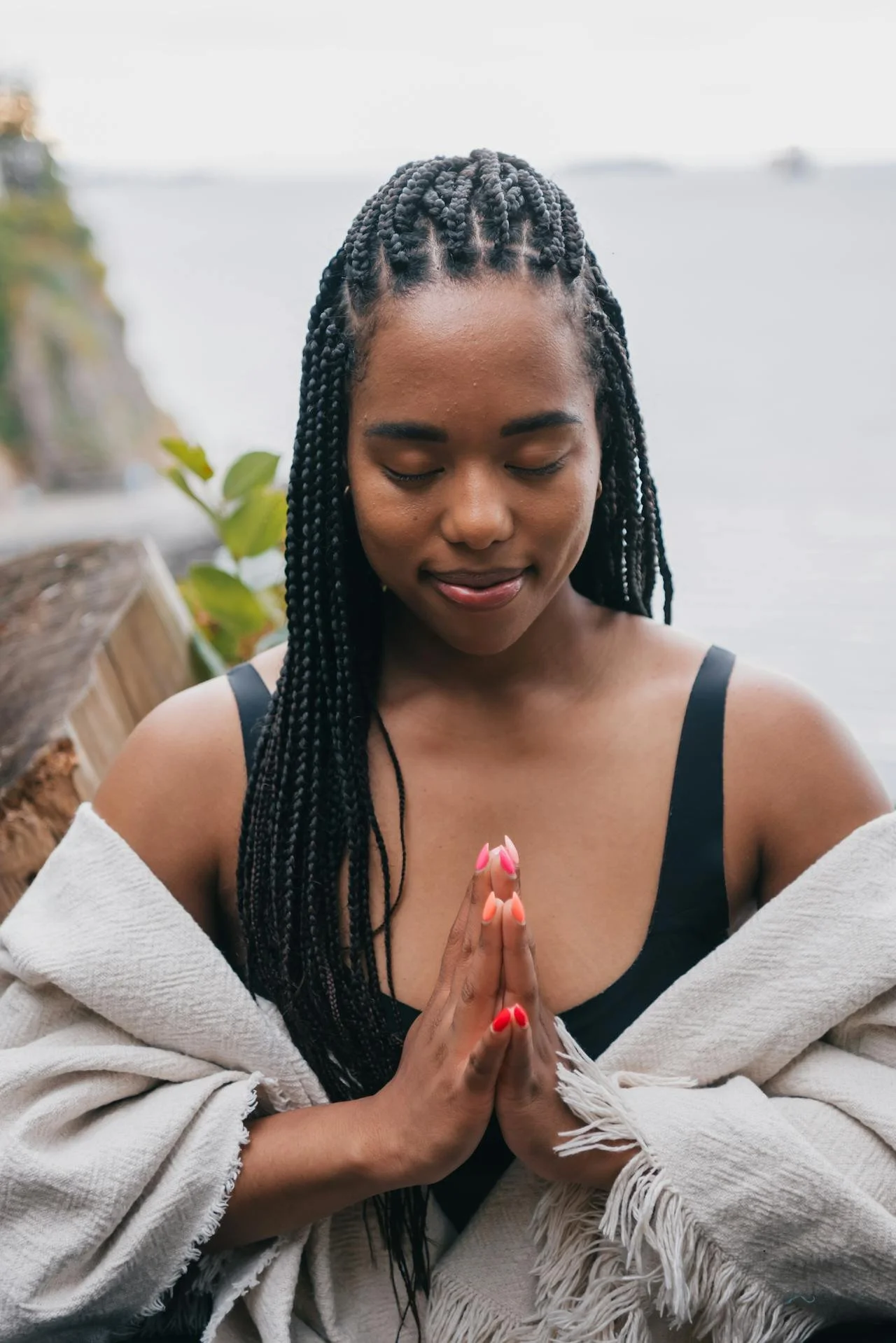
Visualization and manifestation are powerful tools that can help you achieve your goals by harnessing the power of your thoughts and imagination. Visualization involves creating a mental image of the desired outcome or situation, and then focusing your energy and attention on that image to make it a reality. Manifestation, on the other hand, involves using your thoughts, beliefs, and emotions to attract what you want into your life.
The concepts of visualization and manifestation are based on the idea that our thoughts and emotions can shape our reality. By visualizing and manifesting our goals, we can create a positive mindset, increase our motivation, and attract the resources and opportunities needed to succeed. Here are some ways you can use visualization and manifestation to your advantage.
Create a ritual: Create a ritual around visualization and manifestation. For example, light a candle and spend a few minutes each day focusing on your goals and visualizing your success. This can help you create a sense of consistency and commitment toward your goals.
A ritual is a set of activities and actions that we perform to reinforce a goal or change our mindset. It can range from simple, such as lighting candles, to more complicated rituals that take time and intention to complete. There are many different types of rituals. Some people like to do rituals for their goals in order to create the power needed for success in manifesting those goals.Create a dream board with pictures and affirmations of your goals.
A dream board is a place to record your goals and create positive affirmations of what you want to achieve. It helps you stay motivated and keep your dreams alive because it reminds you of what you want in the future.Write a journal entry describing your ideal day, including how you feel and what you're doing.
“My ideal day would start with a good morning workout, breakfast, and coffee. I would take a walk around the neighborhood to soak in the crisp morning air and end my day relaxing with a glass of wine on the deck.”Use visualization to improve your public speaking skills by imagining yourself speaking confidently in front of a large audience.
Visualizing yourself speaking confidently in front of a large audience is a powerful technique to improve your public speaking skills. Here's how you can do it:
Find a quiet, comfortable place where you won't be disturbed. Close your eyes and take a few deep breaths to relax.
Imagine standing in front of a large audience, feeling calm and confident. See yourself smiling and making eye contact with the audience.
Visualize yourself delivering your speech or presentation flawlessly, with clarity and conviction. Imagine the audience being engaged and captivated by your words.
If you feel any nervousness or anxiety, acknowledge it and then let it go. Imagine yourself releasing any negative thoughts or emotions that might be holding you back.
Repeat positive affirmations to yourself, such as "I am a confident speaker" or "I speak with clarity and conviction". Allow yourself to feel the emotions of confidence and success.
Take your time and repeat this visualization regularly, ideally before any speaking engagements or presentations. This will help you build your confidence and improve your public speaking skills over time.
Visualization is a powerful tool that can help you achieve your goals, including becoming a confident and successful public speaker. By practicing this technique regularly, you can overcome any fears or anxieties you might have and become the engaging and persuasive speaker you were meant to be.
Use visualization to help overcome fears and phobias.
Visualize yourself confronting your fear or phobia. Imagine yourself feeling calm and in control, despite the presence of the object or situation that triggers your fear.
If you feel any anxiety or panic, acknowledge it and then let it go. Imagine yourself releasing any negative thoughts or emotions that might be holding you back.
Repeat positive affirmations to yourself, such as "I am strong and courageous" or "I am in control of my thoughts and emotions". Allow yourself to feel the emotions of calmness and control.
Gradually increase the intensity of your visualization, imagining yourself overcoming your fear or phobia step by step. For example, if you have a fear of flying, start by imagining yourself calmly sitting on a plane, then visualize the plane taking off and flying smoothly, and finally see yourself landing safely and feeling proud of yourself for overcoming your fear.
Take your time and repeat this visualization regularly, ideally every day. As you practice, you'll start to feel more confident and in control, and your fear or phobia will gradually lose its power over you.
Visualization can be a powerful tool to help you overcome your fears and phobias. By practicing this technique regularly, you can reprogram your subconscious mind and build your confidence and resilience in the face of fear.
Visualize your ideal relationship, including how you want to feel and the qualities you're looking for in a partner.
Visualize yourself in a happy and fulfilling relationship with your ideal partner. See yourselves spending time together, laughing, and enjoying each other's company.
Imagine how you want to feel in this relationship - loved, cherished, respected, supported, etc. Allow yourself to experience those feelings deeply and fully.
Visualize the qualities you're looking for in a partner - their personality traits, values, interests, and habits. See them clearly in your mind's eye, as if they're already in your life.
Repeat positive affirmations to yourself, such as "I am worthy of love and a fulfilling relationship" or "I attract the perfect partner for me". Allow yourself to feel the emotions of love and gratitude.
Take your time and repeat this visualization regularly, ideally every day. As you practice, you'll start to attract the kind of partner and relationship you truly desire, and your visualization will become your reality.
Visualization is a powerful tool that can help you manifest your ideal relationship. By focusing on what you want and feeling the emotions of love and gratitude, you'll send a powerful signal to the universe that you're ready to receive the love and partnership you truly deserve.
Create a "future self" avatar to represent the person you want to become and visualize yourself as that person.
Imagine yourself as the person you want to become, in as much detail as possible. What do you look like? How do you dress? What do you do for a living? What are your hobbies and interests? How do you interact with others?
Create a mental image of your "future self" avatar, including all the details that represent the person you want to become. You should visualize yourself as a successful entrepreneur, a fit and healthy person, or a loving and compassionate friend.
Visualize yourself as your "future self" avatar, living your ideal life and doing the things you love. See yourself experiencing all the emotions that come with that life - joy, fulfillment, satisfaction, and more.
Repeat positive affirmations to yourself, such as "I am becoming the person I want to be" or "I am living my ideal life". Allow yourself to feel the emotions of pride and gratitude.
Take your time and repeat this visualization regularly, ideally every day. As you practice, you'll start to attract the people, opportunities, and experiences that will help you become the person you want to be.
Creating a "future self" avatar is a powerful tool that can help you manifest the person you want to become. By visualizing yourself as that person and feeling the emotions of success and fulfillment, you'll start to align your thoughts, beliefs, and actions with your desired outcome, and your visualization will become your reality.
Create a "magic box" where you write down your goals and desires, and visualize them coming true.
Find a box or container that feels special to you - a jewelry box, a decorative tin, or any other container you like.
Write down your goals and desires on small pieces of paper or index cards. Be specific and detailed, and use positive language to describe what you want to achieve or receive.
Fold each piece of paper or index card and place it inside the box. As you do this, imagine that each goal or desire is already accomplished, and feel the emotions of joy and gratitude.
Decorate the box in a way that inspires you - add stickers, glitter, or other decorations that make the box feel magical and special.
Find a quiet, comfortable place where you won't be disturbed. Take the box and hold it in your hands, imagining that it's filled with the energy of your goals and desires.
Open the box and take out one piece of paper or index card at a time. Visualize each goal or desire coming true, in as much detail as possible. See yourself living the life you want to live, experiencing the emotions you want to feel, and achieving what you want.
Repeat this visualization regularly, ideally every day. As you do, you'll start to attract the people, opportunities, and experiences that will help you manifest your goals and desires.
Creating a "magic box" is a fun and effective way to help you manifest your goals and desires. By visualizing each goal or desire coming true and feeling the emotions of joy and gratitude, you'll start to align your thoughts, beliefs, and actions with your desired outcome, and your visualization will become your reality.
Use visualization to manifest more abundance and financial success.
Visualize yourself as already having the financial abundance and success that you desire. See yourself living in a beautiful home, driving a luxurious car, and enjoying financial freedom.
Feel the emotions of abundance and gratitude as if you already have everything you desire. Allow yourself to experience the positive emotions associated with abundance, such as joy, fulfillment, and satisfaction.
Create a mental image of yourself with a healthy bank account, with plenty of money to cover all your needs, wants, and desires.
Repeat positive affirmations to yourself, such as "I am abundant and successful" or "Money flows easily and effortlessly to me". Allow yourself to feel the emotions of pride and gratitude.
Take your time and repeat this visualization regularly, ideally every day. As you practice, you'll start to attract the people, opportunities, and experiences that will help you manifest your financial abundance and success.
Visualization is a powerful technique for manifesting abundance and financial success. By seeing yourself already having everything you desire and feeling the emotions of joy and gratitude, you'll start aligning your thoughts, beliefs, and actions with your desired outcome, and your visualization will become your reality.
Visualize yourself in a state of optimal health and well-being.
Visualize yourself in a state of optimal health and well-being. See yourself with a strong, healthy body, full of vitality and energy.
Imagine your body and mind being fully rested, nourished, and energized. Visualize yourself feeling great, with high levels of stamina, flexibility, and overall well-being.
Imagine yourself engaging in activities promoting your well-being, such as exercising, eating healthy foods, and caring for your mental and emotional health.
Feel the emotions of gratitude and joy as if you already have achieved optimal health and well-being. Allow yourself to experience the positive emotions associated with good health, such as happiness, contentment, and fulfillment.
Repeat positive affirmations to yourself, such as "I am healthy and strong" or "I am grateful for my vibrant health". Allow yourself to feel the emotions of pride and gratitude.
Take your time and repeat this visualization regularly, ideally every day. As you practice, you'll start to align your thoughts, beliefs, and actions with your desired outcome, and your visualization will become your reality.
Visualizing yourself in a state of optimal health and well-being is an effective way to improve your physical and mental health. By seeing yourself as healthy and feeling the positive emotions associated with good health, you'll start to align your thoughts, beliefs, and actions with your desired outcome, and your visualization will become your reality.
Use visualization to improve your memory and recall abilities.
Visualize the information you want to remember. Create a mental image of the information, such as a picture, a symbol, or a word. Try to make the image as vivid and detailed as possible.
Associate the mental image with something you already know. Create a connection between the mental image and something you already have stored in your memory. For example, you can associate a new word with a similar-sounding word you already know.
Visualize yourself retrieving the information when you need it. Imagine yourself in a situation where you need to remember the information and see yourself easily recalling the mental image you created.
Repeat the visualization regularly, ideally every day. As you practice, you'll start to improve your memory and recall abilities, and the mental images will become easier to remember.
Visualization is a powerful technique for improving memory and recall abilities. Creating vivid mental images and associating them with something you already know will make the information more memorable and easier to recall when needed. Regular practice will help you improve your memory and recall abilities and make the mental images more memorable.
Visualize your dream job and see yourself working in a fulfilling career.
Visualize your dream job. See yourself in your ideal workplace, doing work that you love and find fulfilling. Imagine the environment, the people you work with, and the tasks you are responsible for.
Imagine how it would feel to have your dream job. Feel the excitement, joy, and fulfillment that comes with doing work that you are passionate about.
Visualize yourself being successful and achieving your goals in your dream job. Imagine the positive outcomes of doing work you love, such as recognition, promotions, and financial rewards.
Repeat this visualization regularly, ideally every day. As you practice, you'll start to align your thoughts, beliefs, and actions with your desired outcome, and your visualization will become your reality.
Visualizing your dream job is an effective way to help manifest your ideal career and work towards achieving it. By seeing yourself in your ideal workplace and feeling the emotions associated with doing work you love, you'll start aligning your thoughts, beliefs, and actions with your desired outcome, and your visualization will become your reality.
Visualize yourself surrounded by positive, supportive people who lift you up.
Visualize yourself surrounded by positive, supportive people. See yourself in a social setting where you are surrounded by people who encourage and support you. Imagine the faces of the people around you, their energy, and their positive vibes.
Feel the positive energy and support from these people. Imagine their words of encouragement, their hugs, and their smiles. Feel the warmth and love that comes from being around positive, supportive people.
Repeat this visualization regularly, ideally every day. As you practice, you'll start to attract more positive relationships into your life and repel negative ones.
Visualizing yourself surrounded by positive, supportive people is an effective way to help manifest more positive relationships in your life. By imagining the positive energy and support that comes from being around these people, you'll start to attract more positive relationships and repel negative ones. Regular practice will help you align your thoughts, beliefs, and actions with your desired outcome, and your visualization will become your reality.
Visualize yourself as a successful entrepreneur or business owner.
Visualize yourself as a successful entrepreneur or business owner. See yourself in a position of leadership, making important decisions, and creating a thriving business. Imagine the products or services you offer, your customer base, and your financial success.
Feel the excitement and fulfillment of being a successful entrepreneur or business owner. Imagine the sense of pride and accomplishment that comes with building a successful business from the ground up.
Visualize the steps you need to take to achieve your business goals. Imagine the strategies and actions you need to implement to make your business successful.
Repeat this visualization regularly, ideally every day. As you practice, you'll start to align your thoughts, beliefs, and actions with your desired outcome, and your visualization will become your reality.
Visualizing yourself as a successful entrepreneur or business owner is an effective way to help manifest more business success in your life. By seeing yourself in a position of leadership, feeling the excitement and fulfillment of being successful, and imagining the steps you need to take to achieve your goals, you'll start to align your thoughts, beliefs, and actions with your desired outcome, and your visualization will become your reality. Regular practice will help you stay motivated and focused on achieving your business goals.
Use visualization to improve your communication skills and build better relationships.
Visualize yourself as a great communicator. See yourself in various social and professional situations, such as giving a presentation, attending a networking event, or having a difficult conversation with someone. Imagine yourself speaking confidently, articulately, and with conviction.
Feel the positive emotions that come with effective communication. Imagine the respect and admiration you receive from others for your communication skills. Feel the connection and rapport you build with others through effective communication.
Visualize yourself building better relationships. Imagine yourself having deep, meaningful conversations with people, understanding their needs and perspectives, and building strong connections with them.
Repeat this visualization regularly, ideally every day. As you practice, you'll start to align your thoughts, beliefs, and actions with your desired outcome, and your visualization will become your reality.
Visualizing yourself as a great communicator and building better relationships is an effective way to help manifest more positive interactions and relationships in your life. By seeing yourself as a confident, articulate communicator and building strong connections with others, you'll start to align your thoughts, beliefs, and actions with your desired outcome, and your visualization will become your reality. Regular practice will help you improve your communication skills, build better relationships, and lead a more fulfilling life.
Visualize yourself as a confident and successful public figure, whether it's in politics, entertainment, or another field.
Visualize yourself as a confident and successful public figure. See yourself in the role you desire, whether a politician, actor, musician, or another field. Imagine speaking to large crowds, receiving applause, and being recognized for accomplishments.
Feel the confidence and self-assurance that comes with being successful. Imagine the respect and admiration you receive from others for your achievements. Feel the sense of purpose and fulfillment that comes from doing work you love and positively impacting the world.
Visualize the steps you need to take to achieve your goals. Imagine the skills, knowledge, and experiences you need to acquire to become successful. See yourself putting in the effort, time, and resources required to reach your goals.
Repeat this visualization regularly, ideally every day. As you practice, you'll start to align your thoughts, beliefs, and actions with your desired outcome, and your visualization will become your reality.
Visualizing yourself as a confident and successful public figure is an effective way to help manifest your desired success. By seeing yourself as successful, feeling confident and self-assured, and imagining the steps you need to take to achieve your goals, you'll start to align your thoughts, beliefs, and actions with your desired outcome, and your visualization will become your reality. Regular practice will help you stay motivated, focused, and inspired to pursue your dreams and reach your full potential.
Use visualization to manifest the home of your dreams.
Visualize the home of your dreams. See yourself walking through the rooms, feeling the energy and warmth of the space. Imagine the colors, textures, and materials that make up the interior and exterior of the home.
Visualize the location of the home. See yourself in the neighborhood or city that you desire, and imagine the surroundings and amenities that are important to you.
Feel the positive emotions that come with having your dream home. Imagine the joy and happiness you feel living in your ideal space. Feel the sense of pride and accomplishment that comes with owning your dream home.
Repeat this visualization regularly, ideally every day. As you practice, you'll start to align your thoughts, beliefs, and actions with your desired outcome, and your visualization will become your reality.
Visualizing the home of your dreams is an effective way to help manifest it into reality. By seeing yourself living in your ideal space, feeling the positive emotions that come with it, and imagining the location and surroundings important to you, you'll start aligning your thoughts, beliefs, and actions with your desired outcome, and your visualization will become your reality. Regular practice will help you stay focused, motivated, and inspired to take the steps necessary to make your dream home a reality.
Use visualization to manifest more joy, happiness, and fulfillment in your life.
Visualize yourself experiencing joy, happiness, and fulfillment. See yourself doing activities that bring you pleasure and fulfillment, spending time with loved ones, and enjoying the simple things in life.
Focus on the emotions that come with these experiences. Feel the joy, happiness, and fulfillment that come with them. Notice the sensations in your body and the positive emotions that arise.
Set intentions for how you want to feel in your daily life. Choose three to five positive emotions that you want to experience regularly, and visualize yourself feeling them throughout your day.
Repeat this visualization regularly, ideally every day. As you practice, you'll start to align your thoughts, beliefs, and actions with your desired emotions, and your visualization will become your reality.
Visualizing joy, happiness, and fulfillment is an effective way to help manifest more of these positive emotions into your reality. By seeing yourself experiencing these positive emotions, feeling the sensations in your body, and setting intentions for how you want to feel in your daily life, you'll start to align your thoughts, beliefs, and actions with your desired emotions, and your visualization will become your reality. Regular practice will help you stay focused, motivated, and inspired to cultivate more joy, happiness, and fulfillment.
Final thoughts:
Research has shown that visualization and manifestation can have a significant impact on our mental and emotional well-being, as well as our physical health. These techniques can reduce stress and anxiety, boost our confidence and self-esteem, and increase our overall sense of happiness and fulfillment.
Whether you're looking to achieve personal or professional goals, visualization, and manifestation can be powerful tools for helping you reach your full potential. With practice and persistence, you can tap into the power of your mind to create the life you want and deserve.

Take Control of Your Emotions and Find Inner Calm
Managing anger and avoiding negative behaviors are essential for maintaining healthy relationships and achieving personal growth. Uncontrolled anger can lead to destructive behaviors that harm yourself and others, so learning effective anger management techniques is crucial.

Managing anger and avoiding negative behaviors are essential for maintaining healthy relationships and achieving personal growth. Uncontrolled anger can lead to destructive behaviors that harm yourself and others, so learning effective anger management techniques is crucial.
This guide will explore strategies for managing anger and avoiding negative behaviors, helping you build more positive and fulfilling relationships with others and achieve your personal goals.
Create a calming playlist of your favorite songs.
Have you ever felt like your favorite songs could calm your nerves and help you relax? Music is an effective tool for managing stress, anxiety, and depression. Listening to calming tunes can help us feel more present and care for ourselves better.
Plunge into a cold pool to get refreshed.
Swimming in cold water briefly can instantly refresh and energize you. If you are feeling dehydrated, this is a great way to get your body's natural water balance back on track. Cold water can also help with muscle cramps, headaches, and other minor aches that might be present in your body.
Learn a new language or skill.
New language or skill: A new language is a powerful tool that can open doors to a new career as well as expand one's world. Learning a new language can be daunting, but with the right tools, it's easier than you might think.
Hug a loved one or a stuffed animal.
When you're feeling down, it's nice to hug a loved one or cuddle a stuffed animal. This is because of the release of oxytocin, which produces feelings of warmth and comfort. Oxytocin is also the "love hormone" that causes people to experience bonding and attachment.
Practice self-massage or use a massage ball.
Self-massage is a healthy way to relieve muscle tension, stimulate circulation and promote relaxation. Massaging any muscle groups can help release tension, increase blood flow, and reduce pain. A massage ball is a round object that you can use to apply pressure on your muscles.
Spend time with children and learn from their playful, carefree nature.
The importance of spending time with children cannot be overstated. Children are constantly learning and developing through their interactions with the world around them. This study has found that children who spend more time outside of school get better grades, but most importantly, they are happy.
Practice mirror work by looking at yourself in the mirror and saying positive affirmations.
Mirror work is a practice that started in ancient Greece whereby people would look in the mirror and express positive affirmations about themselves. In order to see your reflection, you will need to stand in front of a mirror or use your phone's camera. This can be done at home or out in public - it doesn't matter!
Use a stress-relieving app, like a breathing exercise or a calming game.
It may seem like a lot of work to find the perfect app that will help you relax and unwind, but don't worry. There are some apps out there that have been specifically designed for this purpose.
Use a grounding technique, like pressing your feet into the ground or focusing on your senses.
Grounding techniques are designed to help people feel more grounded and less anxious. These techniques can include touching the ground with your fingers, playing with a small stone, focusing on your senses or simply placing one hand on your heart.
Take a sensory walk, where you focus on what you see, hear, smell, taste, and touch.
A sensory walk is a unique exercise in mindfulness and can be done anywhere, anytime, with anyone. It is an opportunity to stop, be present and focus on what you are experiencing. Experiencing all five senses can create a state of flow that enhances your performance and productivity at work and in your personal life.
Practice self-hypnosis or guided imagery.
Many people are curious about self-hypnosis and guided imagery but are not sure how to begin. If you're ready to dive in, try these tips from the experts.
Use a calming scent, like lavender or chamomile.
Lavender has been used as a soothing scent for centuries due to its calming properties and ability to promote relaxation. Chamomile is also a popular choice because of its relaxant effects. Both scents can be found in essential oils, diffusers, candles, and many natural products.
Take a mindful eating break and savor each bite of food.
The founders of the mindful eating movement advise that we should be mindful of the different senses in order to truly taste our food. Most people eat without enjoying the texture, touch, and smell of their food. This is due to an overstimulated brain or an under-tapped one. Mindful eating helps us slow down and enjoy the whole experience by focusing on what we're doing.
Practice sound healing, like listening to Tibetan singing bowls or crystal chimes.
There is a long history of sound healing in every culture. The effects of sound are well known and documented as having positive effects on physical, mental and spiritual health. Sound is considered a holistic healing method that can be used during meditation, yoga and other forms of relaxation.
Take a dance or movement class, like salsa or belly dancing.
Dance classes are a great way to learn and practice new skills. They can be great for anyone of any level, from beginners to advanced dancers. Dance classes allow you to meet people who share your interests in music, art, or sports. People also have the opportunity to develop friendships that can last a lifetime.
Practice aerial yoga or aerial silks.
Aerial yoga is a fun and safe way to exercise and stretch your body, while learning the art of aerial dance. Silks are a suspension type of fabric that is hand-woven from a variety of fibers including cotton, silk, nylon, polyester, and more.
Spend time in a sauna or steam room.
Saunas are becoming increasingly popular. They can be found in spas, health clubs and gyms. They create a feeling of warmth and relaxation by producing an increased amount of sweat that evaporates into the air. Steam rooms are smaller versions that typically produce steam instead of heat.
Practice biofeedback, where you monitor and control your body's response to stress.
Biofeedback is a process that allows people to monitor and control their body's response to stress. It can be used in a number of different ways, depending on the goals of the individual. These include controlling pain, managing anxiety and depression, improving athletic performance, and helping with weight loss.
Take a mindful break from work or studying and focus on a simple task, like folding laundry.
Taking a mindful break from work or studying can help reset your mind and boost productivity. Create a chore chart with things like folding laundry, cleaning the bathroom, and vacuuming as simple tasks that you can focus on for 10 minutes at a time without interruptions.
Use a calming color in your environment, like blue or green.
Blue is a calming color and can help improve your mood. It can also reduce your stress levels, increase productivity, and lower blood pressure. Green is a great color to use in the morning since it's associated with nature which has been shown to help improve sleep quality.
Spend time in a sensory garden, where you can touch and smell different plants.
It is important to take time for yourself. Unplugging from your busy life and taking a moment in the outdoors can help you feel refreshed. A sensory garden is a great place to begin reconnecting with nature.
Practice acro yoga, where you practice yoga poses with a partner.
Acro yoga is a form of partner workout that creates a beautiful synchronization between two bodies. It requires intense focus and coordination, which builds strength and endurance for all the acrobatic moves. This type of workout has been gaining popularity recently because of its amazing benefits for the body and mind.
Practice reiki, using your hands to channel healing energy into your body and mind.
Reiki is a form of energy healing that can have various benefits. It involves the practitioner channeling healing energy through the chakras and hands into their client to help with physical, emotional, and spiritual ailments.
Use an inversion table to release tension in your spine and increase blood flow to your brain.
If you have a desk job, you may develop forward head posture and kyphosis, which can cause decreased blood flow to your brain. An inversion table is a piece of equipment that allows you to perform an inversion therapy and release tension in your spine while increasing blood flow to your brain.
Practice problem-solving skills to address the underlying issues causing your anger.
To solve the underlying problems that cause anger, you must first identify them. This article will teach you to analyze your emotions and deeply self-reflect.
Seek out a support group for individuals with anger management issues.
Are you struggling with anger management issues? You're not alone. Millions of people struggle with anger and seek support groups to help them cope and overcome the problem. Whether you're looking for a physical or virtual group, a lot can be learned by joining one.
Incorporating these rare and unique strategies into your anger management and self-care routine can help you avoid negative behaviors and cultivate a more peaceful and balanced state of mind. It's important to experiment with different techniques to find what works best for you, and to seek professional help if you are struggling with healthily managing your anger. With dedication and patience, you can overcome anger and find inner peace and happiness.

Finding Calm in Chaos: Conquer Stress and Anxiety with Healthy Coping Mechanisms
Stress and anxiety are common experiences in our daily lives, but they can lead to serious health issues when they become chronic. Developing healthy coping mechanisms for stress and anxiety is crucial for maintaining mental and physical well-being. Healthy coping mechanisms can help you manage stress and anxiety more effectively, reduce their negative impact, and improve your quality of life.

Stress and anxiety are common experiences in our daily lives, but they can lead to serious health issues when they become chronic. Developing healthy coping mechanisms for stress and anxiety is crucial for maintaining mental and physical well-being. Healthy coping mechanisms can help you manage stress and anxiety more effectively, reduce their negative impact, and improve your quality of life.
In this regard, there are several strategies you can implement to develop healthy coping mechanisms for stress and anxiety, such as exercise, relaxation techniques, seeking support, practicing self-care, managing your time, and avoiding unhealthy coping mechanisms. Yet in this article, we will dive deep into some easy and effective ways to develop healthy coping mechanisms to overcome stress and anxiety.
Try art therapy: Engaging in art can help reduce stress and anxiety.
Art therapy involves using art to express your emotions and feelings and can be a great way to release tension and relax. Art therapy is a great way to de-stress and relax. It involves using art to creatively express your emotions, feelings, and thoughts. Art therapy has been proven to be an effective tool for reducing stress and anxiety levels by providing a safe outlet for self-expression. Engaging in art can help improve your mood, reduce sadness or anger, boost self-esteem and confidence, and promote relaxation. This type of therapy can benefit both mental and physical health and provide long-term benefits.
Spend time in nature: Spending time in nature can help reduce stress and anxiety.
Try taking a walk in a park or forest, or simply sit outside and soak up the sun and fresh air.
Spending time in nature can be incredibly beneficial for your mental health. Nature has the power to reduce stress and anxiety, improve concentration, and help you feel more connected to the world around you. Whether it's taking a walk in a park or forest, sitting outside to soak up the sun and fresh air, or even spending a few moments gazing at a beautiful view, spending time in nature has been shown to have considerable positive impacts on both physical and emotional well-being.Use aromatherapy: Certain scents, such as lavender and chamomile, can calm the mind and body.
Using essential oils or scented candles can help reduce stress and anxiety.
Aromatherapy is a powerful tool for reducing stress and anxiety. By using essential oils or scented candles, we can tap into the healing power of aromas to help us relax and unwind. Lavender, chamomile, and other calming scents have been proven to reduce stress and improve sleep quality. With regular use, aromatherapy can help us stay balanced and focused in our day-to-day lives.Connect with animals: Spending time with animals, such as playing with a pet or volunteering at an animal shelter, can help reduce stress and anxiety.
Spending time with animals is a great way to reduce stress and anxiety. Animals provide unconditional love and companionship, which can be beneficial for both mental and physical health. Whether it's playing with your pet at home or volunteering at an animal shelter, connecting with animals can be a great way to de-stress while helping others in need.
Listen to music: Music has a powerful effect on our emotions and can help reduce stress and anxiety. Listening to calming music can help you relax and unwind.
Music is a powerful tool for managing stress and anxiety. It can provide an emotional outlet and help us relax, refocus, and re-energize. Listening to calming music can be an effective way to reduce levels of stress and anxiety. Studies have shown that listening to music can help increase focus, improve mood, reduce fatigue, and even improve physical health. Whether you're looking for a way to relax after a hard day at work or need some motivation to tackle a project, the right music can make all the difference.
Try laughter yoga: Laughter yoga combines laughter with yogic breathing exercises, which can help reduce stress and anxiety.
Laughter yoga is a unique form of exercise that combines laughter with yogic breathing exercises. This unconventional exercise can help reduce stress, anxiety and even improve physical health. It has been proven to be an effective way to boost mood, energy levels, and overall well-being. Furthermore, it is easily accessible and can be done anywhere, anytime.
Take a bath with Epsom salts: Epsom salts can help relax muscles and reduce stress and anxiety.
Epsom salts have been used for centuries as a natural remedy to relieve stress and anxiety. Epsom salts can help relax your muscles and reduce tension when added to a warm bath. These mineral-rich salts can also help improve circulation, reduce inflammation, and even improve skin health. Taking an Epsom salt bath is an inexpensive and effective way to relax, de-stress and soothe your body.
Use a weighted blanket: Weighted blankets can provide a calming and comforting sensation, reducing stress and anxiety.
Weighted blankets are becoming increasingly popular to help people relax and reduce stress and anxiety. They apply gentle, even pressure across the body, providing a calming sensation that helps to relax the mind and body. Weighted blankets can be used in bed or while relaxing on the sofa, making them an ideal solution for those seeking a time of relaxation.
Try acupuncture: Acupuncture involves the insertion of needles into specific points of the body and can help reduce stress and anxiety.
Acupuncture is a traditional Chinese medicine technique that involves the insertion of very thin needles into specific points of the body. It has been used for centuries to help reduce stress, anxiety and other health issues. Acupuncture can be especially beneficial for those experiencing chronic pain or stress-related illnesses. It is a practical, natural and non-invasive treatment option that can relieve various symptoms.
Practice progressive muscle relaxation: This involves tensing and relaxing different muscle groups, which can help reduce stress and anxiety.
Progressive muscle relaxation is an evidence-based practice that can help reduce stress and anxiety. It involves tensing and relaxing different muscle groups for a few seconds at a time, starting from the feet and progressing up to the head. This practice has been shown to reduce physical symptoms of anxiety such as tightening in the chest, shallow breathing, and tension headaches. Furthermore, it can improve sleep quality and concentration.
Use a stress ball: Squeezing a stress ball can help release tension and reduce stress and anxiety.
Stress balls are an effective and simple way to reduce stress. They provide a physical outlet for the release of tension, which can help clear the mind and create a sense of calm. Stress balls come in various shapes, sizes, and colors, making them easy to customize for any situation. Squeezing a stress ball regularly can help to reduce stress levels in both the short-term and long-term, leading to improved mental health and well-being.
Use a color therapy book: Coloring can help reduce stress and anxiety by promoting relaxation and mindfulness.
Coloring has become a popular way for adults to relieve stress and anxiety. Color therapy books provide an easy and effective way to calm the mind, reduce stress and anxiety, and promote relaxation. By using a color therapy book, you can discover the healing power of colors and create beautiful designs that will help you relax and unwind from life's challenges.
Try tapping therapy: Tapping on specific points on the body can help reduce stress and anxiety.
Tapping therapy, also known as Emotional Freedom Technique (EFT), is a powerful healing tool for reducing stress and anxiety. It involves tapping on specific points on your body with your fingertips, while focusing on the issue at hand. The goal is to reduce the intensity of uncomfortable emotions such as fear, sadness or anger and promote relaxation and inner peace. With regular practice, tapping therapy can help you to release emotional blocks and lead a more balanced life.
Take a cold shower: Cold showers can help reduce stress and anxiety by stimulating the nervous system.
Cold showers may sound unpleasant, but they can be incredibly beneficial for reducing stress and anxiety. Cold water has been found to stimulate the nervous system, activating a fight-or-flight response that increases alertness and energy levels. Research has also shown that cold showers can improve mood, reduce inflammation, boost immunity, and even promote weight loss. Taking a cold shower on a regular basis may be just what you need to reduce stress and anxiety and lead a healthier life.
Try sound therapy: Sound therapy involves using specific sounds and frequencies to promote relaxation and reduce stress and anxiety.
Sound therapy has been used for centuries to promote relaxation and reduce stress and anxiety. It involves using specific sounds, such as music, tones, and frequencies, to help the listener enter a relaxed state of mind. Sound therapy teaches individuals how to control their responses to stressors and create a healthier lifestyle. Sound therapy can be combined with other therapies or on its own. It provides an effective way to naturally reduce stress levels without the use of medication or other forms of intervention.
Use a stress-reducing app: Several apps offer guided meditations, relaxation exercises, and other stress-reducing techniques.
In today's fast-paced world, stress can be a major contributor to mental and physical health issues. Fortunately, several apps offer guided meditations, relaxation exercises, and other stress-reducing techniques. These apps can provide users the support they need to decrease their stress levels and improve their overall well-being. With the help of these apps, users can enjoy a more relaxed lifestyle and effectively manage their stress.
Spend time with animals: Spending time with animals, such as playing with a pet or volunteering at an animal shelter, can help reduce stress and anxiety.
Spending time with animals is an increasingly popular way to reduce stress and anxiety. It is not only a great way to connect with nature, but it can also provide a source of comfort and companionship. From playing with your pet at home to volunteering at an animal shelter, there are many ways that you can benefit from spending time with animals. Not only does this activity provide physical and emotional benefits, but it also has the potential to contribute positively to your overall well-being.
Learn a new skill: Learning a new skill can help reduce stress and anxiety by promoting a sense of accomplishment and boosting self-esteem.
Learning a new skill can be a great way to reduce stress and anxiety. It can help build self-esteem and promote a sense of accomplishment. With the right resources, anyone can learn something new, whether it’s a language, musical instrument, technology, or craft. Anyone can gain the skills needed to succeed with the right tools and support.
Incorporating these strategies into your daily routine can cultivate resilience, manage stress and anxiety more effectively, and enhance your overall well-being.

Believe in Yourself: Conquer Self-Doubt and Gain Confidence
Self-doubt can significantly hinder achieving your goals and living a fulfilling life. It can make you feel inadequate and prevent you from pursuing your dreams. However, building a positive self-image can help you overcome self-doubt and increase your confidence. In this regard, there are several tips you can implement to build a positive self-image and overcome self-doubt.

Self-doubt can significantly hinder achieving your goals and living a fulfilling life. It can make you feel inadequate and prevent you from pursuing your dreams. However, building a positive self-image can help you overcome self-doubt and increase your confidence. In this regard, there are several tips you can implement to build a positive self-image and overcome self-doubt. These tips include practicing self-care, surrounding yourself with positive people, challenging negative self-talk, setting achievable goals, focusing on your strengths, and seeking professional help. Here are some other ways you can overcome self-doubt.
Talk to yourself in the mirror: Look at yourself in the mirror and say positive affirmations to boost your self-confidence.
Talking to yourself in the mirror can be a powerful tool to boost your self-confidence and help you become more mindful of your thoughts and feelings. By looking in the mirror and repeating positive affirmations, you can remind yourself that you are capable, strong, and worthy of all the good things life has to offer. Doing so gives you an opportunity to practice self-acceptance and become more aware of all your strengths.
Try something new: Trying something new can help you build new skills and confidence.
Trying something new can be an incredibly rewarding experience. It can help you develop skills, gain confidence and open yourself up to a world of possibilities. It may seem intimidating at first, but the benefits far outweigh the risks. By trying something out of your comfort zone, you can learn more about yourself and the world around you.
Dress up: Dressing up in clothes that make you feel confident can boost your self-image.
Dressing up can be an empowering experience and a great way to boost your self-image. It’s important to choose clothing and accessories that make you feel confident, reflect your personality, and bring out the best in you. Whether you are looking for something casual, formal, or edgy, there are plenty of options available that can help you feel confident in whatever look you choose.
Use positive self-talk: Challenge negative self-talk by using positive affirmations.
Positive self-talk is an important tool in developing a positive outlook on life and managing stress. It involves replacing negative thoughts and beliefs with positive ones, which can help to increase self-esteem, improve mental health, and foster resilience in difficult times. Positive affirmations are a powerful way to challenge negative self-talk and can be used to motivate yourself, boost your confidence, or simply remind yourself of what you are capable of achieving.
Celebrate your accomplishments: Take time to celebrate your achievements, no matter how small.
We often get so caught up in the daily grind that we forget to take time to appreciate our accomplishments. Celebrating your achievements, no matter how small, is an important way to recognize and reward yourself for all the hard work you’ve done. It’s also a great way to boost your motivation and increase productivity in the long run. Taking time out of your day to celebrate even the smallest achievements can make all the difference when it comes to achieving your goals.
Take up a new hobby: A new hobby can help you build confidence and give you a sense of accomplishment.
Taking up a new hobby is a great way to improve your life and get the most out of it. Not only can it help build confidence, but it can also give you a sense of accomplishment. By choosing something that interests you, you can challenge yourself in new ways and develop skills that will benefit you in all areas. Whether it’s creating art, learning an instrument, or even writing for fun, taking up a new hobby is an excellent way to bring joy and enrichment into your life.
Take a self-defense class: Learning self-defense can help you feel more empowered and confident.
Learning self-defense is a great way to gain confidence and feel empowered. Taking a self-defense class can help you develop the skills and knowledge necessary to protect yourself in dangerous situations. Not only will you learn how to defend yourself physically, but you will also learn valuable tips on how to remain aware of your surroundings, how to handle verbal threats, and how to best react in dangerous situations. With the right self-defense class, you can gain the skills and knowledge needed to stay safe.
Take a break from social media: Social media can sometimes make us feel inadequate. Taking a break can help you refocus on yourself.
With the ever-increasing presence of social media in our lives, it may be difficult to take a break from it. However, taking a break from social media can be extremely beneficial for your mental health. Taking time away from the constant comparison that is often created by platforms such as Instagram and Facebook can help you refocus on yourself and your own goals. Taking a break from social media can lead to an increased sense of self-worth and productivity - making it worth the effort!
Get creative: Creativity can help you express yourself and build self-confidence.
Creativity is an incredibly powerful tool that can be used to express yourself and build self-confidence. It allows you to explore different aspects of yourself and the world around you. Whether it’s through writing, painting, music, or any other creative outlet, exploring your creativity can help you gain a greater understanding of who you are and what makes you unique. Additionally, it can also help boost your self-esteem by providing a sense of accomplishment and satisfaction.
Take a dance class: Dancing can help you feel more confident in your body and boost your self-esteem.
Dancing is a great way to boost your physical and mental health. It can help you feel more confident in your body, increase your self-esteem, and improve your coordination. Taking a dance class can be a great way to get started with learning different types of moves, meet new people, and have fun! From salsa to hip hop and ballet to jazz, there are many different styles of dance that you can choose from. Through taking a dance class, you will gain knowledge about the proper techniques for each style of dance as well as the opportunity to practice them in an encouraging environment.
Learn a new language: Learning a new language can help you build new skills and increase your confidence.
Learning a new language is a useful skill to have if you want to expand your career or simply want to get ahead in life. There are several ways of learning a language, but the most effective way is through immersion. Immersion means that you become immersed in the language by being involved with the language every day and living in the country where it's spoken.
Get a makeover: Getting a new hairstyle or makeup can boost your confidence.
When it comes to makeup and hairstyles, personal preference is a huge factor. You'll want to make sure that your new style fits in with your own personality and lifestyle before you head into the salon or hairdresser's chair.
Take up a sport: Playing a sport can help you build physical and mental strength, increasing your confidence.
A sport increases your confidence by giving you the opportunity to see how you handle adversity. It also keeps you active, gives you a sense of achievement, and provides a social outlet.
Attend a public speaking event: Facing your fear of public speaking can help you overcome self-doubt.
Public speaking is one of the most common fears from which many people suffer. This fear can lead to a negative self-image, and it's important to know what steps you can take to overcome this fear.
Learn to say no: Saying no to things that do not align with your goals or values can help you build confidence and self-respect.
Saying no can be a difficult skill for some people. It is important to set boundaries and limits for ourselves. If you want to build confidence, you need to learn how to say no and be confident enough in your decision-making skills that you are comfortable with the consequences of saying yes.
Take a solo trip: Traveling alone can help you build confidence and independence.
Traveling solo is a great way to build confidence, gain independence and learn new things while on your own. It also helps you grow as a person and gain more knowledge about yourself. A trip can be as short or long as you want it to be, but there are some things that every solo traveler should do when they embark on their journey.
Connect with others: Building positive relationships with others can help you feel supported and build confidence.
It's important that you have positive relationships with others. Connecting with people who share similar interests and goals can help you reach your full potential and gain confidence. By connecting with others, you can get support and inspiration from their words of wisdom.
Volunteer for a leadership position: Taking on a leadership position can help you build confidence and develop new skills.
Leadership is a position that is full of challenges and opportunities. It can be tough to find the time to organize events, but these leadership positions can provide you with a new perspective on life. Helping others will also increase your confidence and help you find your voice.
Take a cooking class: Learning to cook can help you feel more self-sufficient and confident in your abilities.
Cooking is an essential skill that allows you to feel more self-sufficient and confident in your abilities. Learning to cook will allow you to have a better understanding of your food, which can be beneficial for your health. In addition, cooking classes can increase the quality of life by teaching new skills and making time for family and friends.
Join a book club: Joining a book club can help you connect with others and build confidence in your ability to share your thoughts and opinions.
When you join a book club, it can be daunting to know what to read. Luckily, there are many options available for you. You can choose a book based on your current mood and find something that matches the type of books you enjoy reading.
Learn to play an instrument: Learning to play an instrument can help you build new skills and increase your confidence.
Music has the power to inspire people and can change the world. Learning an instrument is a fun and rewarding hobby requiring patience, energy, and time.
Take a writing class: Taking a writing class can help you express yourself and build confidence in your writing abilities.
Some people find it difficult to write confidently, but taking a writing class can help you overcome writer's block and build your confidence. These classes are available in most universities worldwide and offer a wealth of opportunities to learn the fundamentals of writing well.
Consistently incorporating these strategies into your daily routine can be transformative and help you cultivate a positive self-image over time. Remember, building self-confidence is a process and requires patience and dedication. But with time and effort, you can overcome self-doubt and achieve your full potential. Celebrate your successes along the way, no matter how small they may seem, and keep pushing yourself to try new things and step outside of your comfort zone. With practice, you'll find that your self-confidence grows stronger and stronger, and you'll be amazed at what you're capable of achieving.