

How to Stop Stress from Sabotaging Your Relationships
Relationships are one of the most important sources of support in our lives—but they’re also one of the first to feel the strain when stress shows up. Whether it’s work deadlines, financial worries, parenting challenges, or simply the day-to-day pressure of being “on” all the time, stress has a way of spilling over into how we talk, listen, and connect with the people we love most.

Communication tools and check-in routines that keep connection strong, even under pressure
Relationships are one of the most important sources of support in our lives—but they’re also one of the first to feel the strain when stress shows up. Whether it’s work deadlines, financial worries, parenting challenges, or simply the day-to-day pressure of being “on” all the time, stress has a way of spilling over into how we talk, listen, and connect with the people we love most.
The truth is, stress itself isn’t the enemy—it’s how we handle it. With awareness, communication, and a few practical rituals, it’s possible to prevent stress from sabotaging your relationships and even use it as a springboard for deeper connection.
The Hidden Ways Stress Affects Connection
Stress doesn’t always announce itself. Sometimes it shows up in subtle ways:
Shorter tempers: You snap at your partner or family when you’re really frustrated about something else.
Emotional distance: Instead of sharing how overwhelmed you feel, you withdraw and shut down.
Miscommunication: Under pressure, you may misinterpret tone, assume the worst, or respond defensively.
Neglecting rituals: When life feels busy, things like date nights, shared meals, or check-ins can fall off the schedule.
Left unchecked, these patterns create tension and misunderstandings that weaken trust.
Step 1: Recognize the “Stress Spillover”
The first step is awareness. Ask yourself: Am I bringing stress from one part of my life into my interactions with my partner, family, or friends?
A simple grounding exercise can help you notice: pause, take three deep breaths, and label what you’re feeling. “I’m anxious about work.” “I’m frustrated with my schedule.” Naming it allows you to separate the stressor from the person in front of you.
Step 2: Communicate Openly and Early
When stress builds, the instinct is often to keep it inside to avoid burdening others. But silence can create confusion. Instead, try a simple script:
“I’m carrying a lot today. If I seem distracted, it’s not about you.”
“I’m stressed, and I might need a little patience. Can we talk later when I’m clearer?”
These small disclosures diffuse tension and reassure your partner that your mood is situational—not personal.
Step 3: Create a Check-In Ritual
Strong relationships are built on ongoing communication, not one-off “big talks.” One way to keep connection strong is by creating a regular check-in ritual:
Daily 10-Minute Check-In: Each evening, take turns sharing one high point, one low point, and one thing you’re grateful for.
Weekly Alignment Meeting: Set aside 30 minutes to go over schedules, goals, or challenges for the week ahead. This prevents surprises and helps you support each other.
Stress Scale Check: Ask each other, “On a scale of 1–10, how stressed are you today?” It’s a quick way to gauge emotional load and respond with compassion.
Step 4: Build Stress-Resilient Communication Habits
These tools help keep conversations constructive even under pressure:
Use “I” Statements: Say, “I feel anxious when the house is messy” instead of “You never clean up.” This reduces blame and defensiveness.
Active Listening: Repeat back what you hear—“So you’re saying you felt left out when I canceled dinner?”—to show understanding.
Timeouts: If emotions run hot, take a break. A 20-minute pause to reset your nervous system can save an argument from spiraling.
Step 5: Prioritize Quality Time (Even in Small Doses)
Stress tricks us into believing we “don’t have time” for connection. But even micro-moments of presence can strengthen bonds:
Share a morning coffee without phones.
Send a supportive text in the middle of the day.
Take a five-minute walk together after dinner.
Even technology can play a supportive role when used intentionally. The Apple Watch Series 10 GPS 46mm Sport Loop Bundle – Rose Gold Pink, for example, isn’t just a sleek accessory—it’s a powerful tool for wellness and connection. You can use its reminders to take mindful breaks, share your activity with a partner as motivation, or set gentle nudges for moments of movement and calm throughout the day. For couples, syncing wellness goals through devices like this can turn small habits into shared rituals, strengthening connection while supporting stress resilience.
Step 6: Know Where Stress Belongs
It’s important to remember that your partner or loved one can support you, but they are not responsible for solving your stress. This boundary keeps relationships healthy. Tools like journaling, therapy, mindfulness, or even quick resets with something like WW’s Pause & Pivot Cards can help you process emotions before they overflow onto others.
For deeper self-work, resources such as Calm and Confident Under Stress: The Stress Competence Book (Paperback) can provide practical exercises to help you better recognize, understand, and manage stress patterns—giving you more control in high-pressure moments.
Stress will always be a part of life—but it doesn’t have to erode your most important relationships. By recognizing stress spillover, communicating openly, building regular check-in rituals, and practicing resilient communication, you can keep your connections strong and supportive, even in the busiest seasons.
Healthy relationships aren’t about avoiding stress—they’re about learning to navigate it together, with empathy, patience, and trust.

Why Resting Is Not a Waste of Time: The Science of Recovery for Entrepreneurs
Entrepreneurship is often painted in bold strokes: hustle, grit, perseverance. The highlight reels on social media overflow with long workdays, late-night strategy sessions, and quotes about “sleeping when you’re dead.” In a culture obsessed with productivity, taking a break—or even just pausing—can feel like the ultimate act of rebellion. But what if rest isn’t just a luxury for the weak, but a necessary ingredient for sustainable, creative, and high-performing entrepreneurship?

Entrepreneurship is often painted in bold strokes: hustle, grit, perseverance. The highlight reels on social media overflow with long workdays, late-night strategy sessions, and quotes about “sleeping when you’re dead.” In a culture obsessed with productivity, taking a break—or even just pausing—can feel like the ultimate act of rebellion. But what if rest isn’t just a luxury for the weak, but a necessary ingredient for sustainable, creative, and high-performing entrepreneurship?
We know firsthand that the impulse to always be “doing” is strong, especially for founders and ambitious creators. We’re taught to measure progress in terms of output, conflating self-worth with accomplishment. But research shows that recovery isn’t the enemy of achievement—it’s the catalyst. If you’re tired, wired, and running on empty, this is your invitation to rethink the story you’ve been told about rest.
Let’s dig into the science of recovery, why rest is not a waste of time, and how to transform your relationship with downtime—so you can move from “worried” to well-balanced, and build a business (and a life) that lasts.
The Productivity Myth: Why “More” Isn’t Always Better
It’s easy to see why we fall into the trap of perpetual motion. Our economic system rewards those who appear to be busy. Tech culture, in particular, has elevated the concept of “grind” to a religion. But productivity has a dark side: According to the World Health Organization, chronic stress and burnout are now recognized occupational phenomena. Entrepreneurs, in fact, are at higher risk for anxiety and depression than the general population.
So why do we ignore the need for recovery? One reason is psychological: Many of us have internalized the belief that rest is for the lazy, or that our value is measured by how much we can endure. Another is neurological: When we achieve something—such as finishing a project or closing a deal—our brains release dopamine, the “reward” chemical. Over time, we become conditioned to chase the next high, even when our bodies are begging for a break.
But here’s what the research shows: The law of diminishing returns is real. When you routinely work past your limits, the quality of your output drops, your creativity suffers, and you make more mistakes. Worse, chronic stress impairs memory, decision-making, and emotional regulation—all crucial for entrepreneurship.
In short: You can’t out-hustle biology.
The Science of Rest: What Really Happens When You Step Away
Rest isn’t just the absence of work; it’s a dynamic process that restores physical, mental, and emotional reserves. Here’s how:
1. Brain Recovery and Cognitive Renewal
Neuroscientists have found that downtime is when your brain consolidates memories, makes creative connections, and processes emotions. The “default mode network”—the part of your brain active during daydreaming, mind-wandering, and rest—plays a crucial role in self-reflection and problem-solving. Have you ever had your best ideas while showering or taking a walk? That’s not a coincidence.
2. Nervous System Reset
Chronic stress activates the sympathetic nervous system (fight-or-flight). Over time, this constant activation floods the body with cortisol and adrenaline, leading to fatigue, anxiety, and eventually burnout. Rest activates the parasympathetic nervous system (rest-and-digest), allowing your body to repair, heal, and recharge.
3. Hormonal Balance
Lack of sleep and rest disrupts hormones such as leptin and ghrelin (which regulate hunger), insulin (which regulates blood sugar), and cortisol (the primary stress hormone). This is why burnout often comes with weight gain, brain fog, and mood swings.
4. Immune Function
Your immune system also depends on cycles of activity and rest. Chronic overwork suppresses immunity, making you more susceptible to illness—a major risk for entrepreneurs who can’t afford to be sidelined.
Why Rest Is Essential for Entrepreneurs
Entrepreneurs are not assembly-line workers. Your value lies in decision-making, strategic vision, creativity, and resilience. All of these are compromised by sleep deprivation, chronic stress, and exhaustion.
1. Rest Fuels Creativity and Innovation
Contrary to the myth that creativity happens only under pressure, research shows that innovation thrives during periods of incubation and rest. Stepping away from a problem allows your unconscious mind to “connect the dots” in ways that intense focus does not.
2. Rest Builds Resilience
Startups and small businesses are marathons, not sprints. Sustained success depends on your ability to weather setbacks, adapt to change, and maintain a sense of perspective. Rest is not just recovery—it’s preparation for the next challenge.
3. Rest Enhances Leadership and Empathy
Fatigue dulls emotional intelligence. It makes it harder to read people, manage conflict, and inspire teams. Leaders who rest are more likely to be patient, creative, and compassionate.
4. Rest Supports Physical and Mental Health
It sounds basic, but you can’t pour from an empty cup. Without adequate rest, you risk burnout, anxiety, depression, and physical illness—all of which can derail your business and your life.
The Different Types of Rest Entrepreneurs Need
Not all rest is created equal. The science of recovery distinguishes between several types of rest:
1. Physical Rest
This includes sleep, as well as gentle movement (such as walking or stretching), massage, and even brief naps. Entrepreneurs are notorious for neglecting sleep—yet sleep is the single most effective recovery tool known to science. Studies show that chronic sleep deprivation impairs memory, creativity, and decision-making just as much as alcohol.
2. Mental Rest
Staring at a screen all day, juggling endless decisions, and dealing with information overload depletes cognitive resources. Mental rest can include meditation, daydreaming, or simply taking a few minutes for quiet reflection. Schedule “white space” into your calendar to give your mind a break.
3. Emotional Rest
Entrepreneurship is emotionally taxing. Emotional rest involves setting boundaries, saying “no,” and allowing yourself to feel your feelings without judgment. Sometimes it means talking to a trusted friend or therapist, journaling, or simply taking a step back from emotionally draining situations.
4. Social Rest
Not all social interactions are restorative. Pay attention to how you feel after spending time with certain people. Seek out relationships that are energizing, not depleting, and don’t be afraid to take solo time when needed.
5. Creative Rest
Expose yourself to new experiences, art, nature, or anything that sparks your imagination. For entrepreneurs, creative rest is often the birthplace of the next big idea.
Busting the Guilt: Why You Don’t Need to “Earn” Your Rest
One of the biggest barriers to resting is guilt. If you’re used to measuring your worth by your output, downtime can feel uncomfortable, even anxiety-provoking. But rest is not something you “earn” only after working hard enough. It’s a non-negotiable part of the creative process.
If guilt arises, remind yourself:
Rest is productive.
Rest is part of the work.
Rest is the foundation for your best ideas, decisions, and relationships.
Remember: No one ever built a sustainable business—or a happy life—by burning out.
Practical Recovery Strategies for Entrepreneurs
If you’re new to the art of recovery, start small. Here are some evidence-based strategies to incorporate more rest into your entrepreneurial routine:
1. Schedule Rest Like You Schedule Work
If it’s not on the calendar, it probably won’t happen. Treat downtime as non-negotiable. Block off time for sleep, exercise, meals, and unstructured relaxation just as you would for meetings or deadlines.
2. Embrace the Power of Sliver Breaks
You don’t need a two-week vacation to reap the benefits of rest. Taking short breaks throughout the day—such as standing up, stretching, or taking a walk around the block—can dramatically improve focus and productivity.
3. Practice Mindful Transitions
Don’t go straight from work to sleep, or from one task to the next without pause. Use transitions—like making a cup of tea, listening to music, or practicing a few minutes of mindful breathing—to signal to your brain that it’s time to shift gears.
4. Unplug Regularly
Set boundaries with technology. Try a “digital sunset”—turning off screens an hour before bed—or schedule device-free time on weekends.
5. Prioritize Sleep Hygiene
Invest in your sleep environment: a comfortable mattress, blackout curtains, and a consistent bedtime routine. Avoid caffeine late in the day. If you struggle with racing thoughts at night, try jotting down your worries before bed.
6. Redefine Productivity
Start measuring success by outcomes, not hours logged. Ask yourself: Am I making a meaningful impact on what matters? Or am I just keeping busy?
7. Cultivate Recovery Rituals
Develop small, daily rituals that help you reset and recharge. For some, it’s a morning walk or meditation; for others, it’s cooking, gardening, or listening to music.
8. Check In With Your Body
Entrepreneurs are great at pushing through discomfort, but it’s important to listen to your body’s signals. Are you feeling tense? Irritable? Foggy? That’s feedback. Rest is not a sign of weakness, but of wisdom.
What Recovery Looks Like in Practice: Real-World Entrepreneur Stories
Let’s take a moment to hear from entrepreneurs who made rest a cornerstone of their success:
1. The 6-Hour Workday Founder:
A tech CEO in Sweden cut his company’s hours from 8 to 6 per day. The result? Happier, healthier employees—and higher productivity. Projects were completed more quickly, creativity soared, and employee turnover decreased.
2. The Creative Sabbatical:
A designer took a two-week creative sabbatical every year. She spent the time traveling, reading, and sketching for pleasure, not for work. She credits her best product ideas and business growth to these periods of “structured rest.”
3. The Mindful Leader:
A startup founder started meditating for 15 minutes a day after experiencing severe burnout. Within weeks, he noticed greater emotional stability, improved focus, and a newfound ability to step back from business crises instead of getting swept away.
The Payoff: Sustainable Success and Well-being
Rest is not about working less; it’s about working smarter, with more energy, clarity, and joy. When you make recovery a non-negotiable part of your routine, you create space for sustainable growth in both business and life.
Entrepreneurship is a wild, wonderful, often exhausting ride. But you don’t have to choose between achievement and well-being. When you honor your need for rest, you become a more effective founder, leader, and individual. You move from “worried” to well-balanced—not because you’re doing less, but because you’re doing what matters, with more heart, vision, and resilience.
So, the next time you find yourself pushing through another late night or feeling guilty for taking a break, remember: rest is not a waste of time. It’s your most powerful tool for growth. You—and your business—deserve it.
Ready to build a business that supports your well-being, not just your bottom line? Follow Worried to Well-Balanced for more science-backed strategies on living and leading with less anxiety and more joy.
Other ways to relax:
LifePro BioRemedy Infrared Sauna Blanket
If you’re looking for a way to deeply relax, boost recovery, and melt away daily stress from the comfort of home, the LifePro BioRemedy Infrared Sauna Blanket is one of my top self-care recommendations. Unlike traditional saunas, this portable infrared sauna blanket delivers soothing, full-body heat that helps promote detoxification, improve circulation, ease muscle tension, and support restful sleep—all in just a 30- to 60-minute session.
What I love about this blanket:
Deep relaxation: The gentle infrared heat helps quiet the mind and body, making it ideal for unwinding after a long workday.
Muscle recovery: Great for entrepreneurs, athletes, or anyone who carries tension—regular use can soothe sore muscles and joints.
Easy at-home spa: Plug it in, set your desired temperature, and enjoy the benefits of a spa from the comfort of your own home.
If you’re committed to prioritizing rest and recovery, the LifePro BioRemedy Infrared Sauna Blanket is a wellness investment you’ll love.
Apple Watch Series 10 GPS 42mm S/M Bundle – Jet Black/Pink
[Shop here → https://shopstyle.it/l/csJFj]
If you’re looking for a powerful way to stay on top of your wellness, track your recovery, and effortlessly balance productivity with self-care, the Apple Watch Series 10 GPS 42mm S/M Bundle is my go-to tech recommendation. This sleek smartwatch is more than just a timepiece—it’s a 24/7 wellness partner, offering advanced health monitoring, sleep tracking, and stress management features, all designed for busy professionals.
What I love about this watch:
Sleep & Recovery Tracking: Get a clear picture of your nightly rest, heart rate, and even blood oxygen levels—so you always know when to push forward or pause for recovery.
Built-In Mindfulness: Guided breathing sessions, reminders to move, and daily mindfulness prompts help you create healthy boundaries and manage stress right from your wrist.
Productivity Meets Wellness: Stay organized with calendar alerts, messages, and call notifications—plus enjoy quick charging and a lightweight, comfortable design that fits every part of your day.
If you want a smart, stylish way to blend recovery with productivity and make wellness a priority, the Apple Watch Series 10 GPS 42mm S/M Bundle – Jet Black/Pink is an investment you’ll use every single day.

Why Wellness Looks Different for Everyone and How to Find Your Path
Wellness isn’t one-size-fits-all—yet we often encounter self‑care advice packaged as if it were. From green‑juice cleanses to candlelit bubble baths or guided group meditations, these so‑called universal “self‑care” staples can energize some while draining or even stressing others. What feels restorative to one person may feel frivolous to someone else.
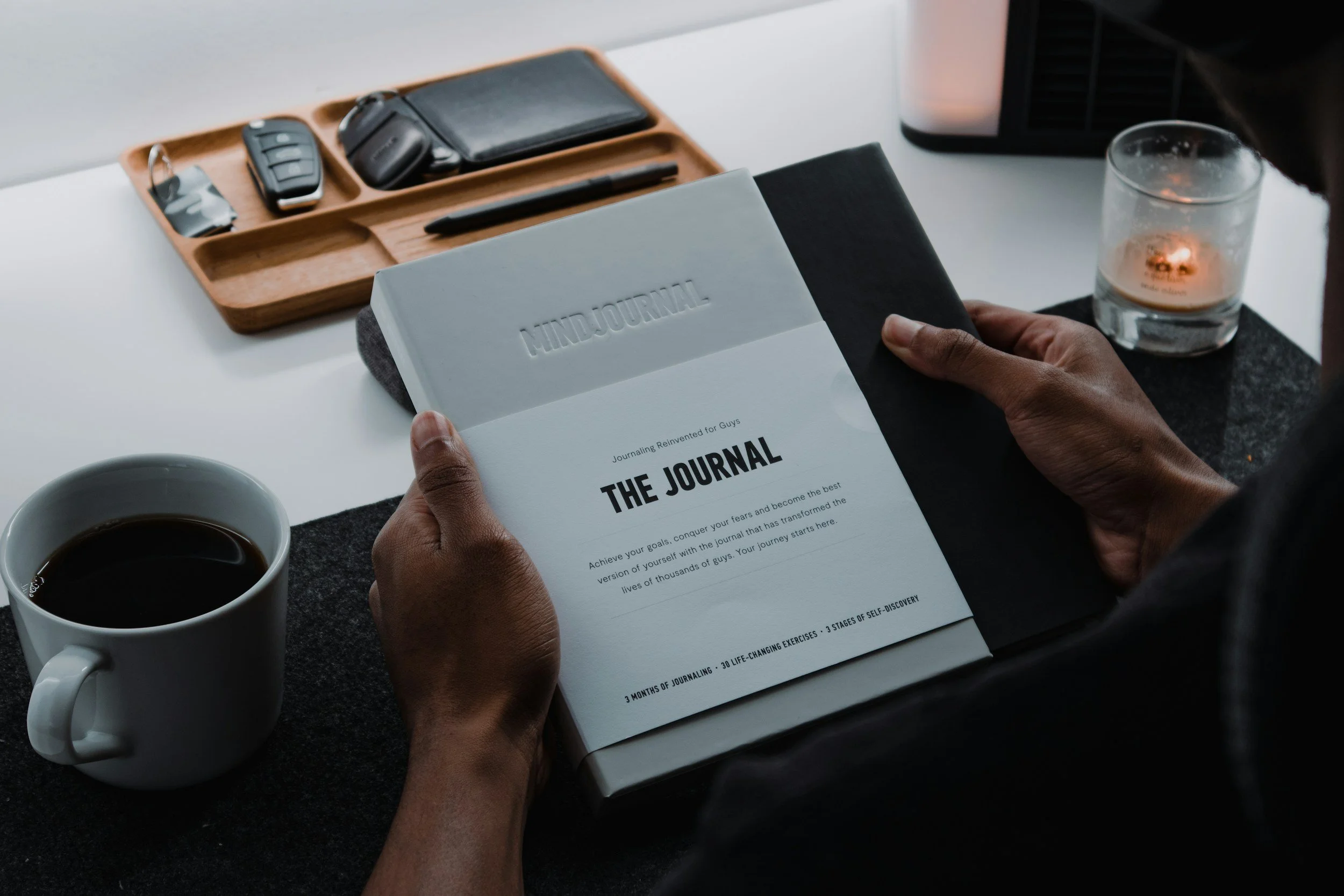
Wellness isn’t one-size-fits-all—yet we often encounter self‑care advice packaged as if it were. From green‑juice cleanses to candlelit bubble baths or guided group meditations, these so‑called universal “self‑care” staples can energize some while draining or even stressing others. What feels restorative to one person may feel frivolous to someone else. That’s why true, lasting self-care hinges on personalization: aligning your practices not with broad wellness trends, but with your own personality, daily energy rhythms, and real-world responsibilities. In this article, you’ll discover why wellness looks different for each of us and learn a straightforward, step‑by‑step framework for crafting a self‑care routine you’ll actually enjoy following.
Why Generic Wellness Often Fails
Generic wellness programs often fail because they ignore individual differences. Imagine two colleagues: Jasmine, a social butterfly who thrives on group yoga classes and book‑club discussions, and Martha, an engineer who recharges with solitary trail runs and journal sessions. If both are signed up for a 30-day program that relies on twice-daily group check-ins and a shared gratitude wall, Jasmine will likely feel invigorated, while Martha may resent the social obligation. What was intended to ease stress has instead become another source of anxiety.
When self‑care turns into a series of “shoulds”—“I should meditate, I should journal, I should share my progress”—it loses its restorative power and becomes yet another item we feel guilty about skipping. Research shows that when people co‑create their routines—choosing practices they resonate with—they are roughly 30% more likely to stick with them. Generic programs also risk overlooking high‑impact rituals perfectly suited to individual styles: a solitude‑seeking introvert, for example, might never experience the profound calm of a silent forest walk if they’re only exposed to noisy group retreats. The solution is simple: instead of asking “What self‑care is best for everyone?” ask “What self‑care is best for me?”
The first step in customizing your routine is identifying your “Personality Fuel”—the types of activities that genuinely replenish your energy. Most people align with one or two of the four recharge archetypes. The Social Seeker craves connection and shared experiences, so group fitness classes or walking‑and‑talk coffee dates feel uplifting. The Solitude Lover needs quiet reflection, thriving during guided meditations, journaling sessions, or early‑morning nature walks. The Doer feeds off hands‑on movement—dance breaks, gardening, or DIY crafts offer a meaningful reset. Finally, the Thinker recharges through mental stimulation, whether via a favorite podcast, brain‑teaser app, or mindful reading. When you anchor your practice in your natural archetype, self‑care stops feeling like a chore and instead becomes an integral expression of who you are.
Next, chart your daily energy rhythms by noting your peak, dip, and recovery zones. Even a single workday has natural ebbs and flows of alertness and focus. Perhaps you’re most creative in the early morning, experience a mid‑morning slump, spike again at lunchtime, dip in the mid‑afternoon, and find it easiest to unwind after dinner. Mapping these windows—simply by sketching a 24‑hour line graph and marking each zone—helps you slot in micro‑rituals at just the right times. A two-minute breathing reset during your mid-morning dip, a five-minute gratitude journal entry at 3 PM, or a 15-minute guided visualization at 8 PM all become both feasible and effective because they tap into your body’s natural rhythms.
Finally, adapt your rituals to your lifestyle context. A mobile professional needs a compact anxiety-relief card deck, noise-canceling earbuds for quick meditations, and a pocket-sized gratitude journal. A desk‑bound executive benefits from a discrete desktop diffuser, a “boundary bell” timer app to remind them to take breaks, and a simple stretch chart pinned to the monitor. A home sanctuary seeker might set up soft, dimmable lighting, reserve a cozy reading nook, and keep a self‑care checklist magnet on the fridge. By auditing your daily pain points—long commutes, back‑to‑back calls, evening insomnia—you can brainstorm one seamless micro‑ritual for each: an on‑train visualization, a calendar‑alert stretch, or a lavender‑infused bedtime ritual.
Weave these insights into your Personal Wellness Blueprint, a four-pillar plan that encompasses your chosen recharge archetype, your energy-aligned micro-rituals, your context-appropriate toolkit, and a feedback loop for tracking impact. Schedule each ritual in your calendar as a non‑negotiable appointment, equip yourself with the necessary tools, and log your mood or focus changes daily. After one week, review which practices energized you and which felt like a drag. Swap out under‑performers based on real feedback, scale up rituals that consistently uplift you, and celebrate your small wins. Over time, this iterative approach transforms self-care from a burdensome checklist into an intuitive and joyful part of your life.
By tuning into your personality fuel, syncing with your natural energy rhythms, and adapting to your unique lifestyle, you’ll create a self‑care routine that feels both effortless and essential. Embrace this personalized experiment, honor what you learn, and watch as tailored self-care becomes your most reliable source of resilience, creativity, and lasting well-being.
Your Next Steps:
Draft your Personal Wellness Blueprint in your WW planner or journal.
Commit to one micro-ritual per day for the next week.
Review your results, refine your plan, and celebrate every small victory.
Your journey to lasting well-being begins with personalization. Lean into the experiment, honor what you learn, and watch how self-care transforms from a chore into an effortless expression of who you are.
Recommended Tools to Amplify Your Personalized Wellness Blueprint
To make your self‑care rituals as seamless and enjoyable as possible, consider adding a few curated tools that align with different recharge archetypes and lifestyle contexts. Here are two that pair beautifully with the framework above:
1. Beats Powerbeats Pro Totally Wireless Headphones
Whether you’re a Social Seeker tuning into a group‑guided breathwork session or a Solitude Lover escaping into a guided meditation on your commute, crystal‑clear, truly wireless earbuds can transform any moment into a portable sanctuary. The Powerbeats Pro offers secure, ergonomic ear hooks and up to nine hours of listening time—perfect for audio-based self-care practices, from podcast-style mindfulness tutorials to gratitude journaling playlists. Slip them on during your Peak Zones to fully immerse yourself in content that fuels your mind and recharges your spirit.
2. My Gratitude Journal: Your Companion to an Abundant Life
Journaling is one of the simplest yet most powerful micro‑rituals you can slot into your Peak or Dip Zones, and this elegantly designed gratitude journal turns the practice into a daily ritual you’ll look forward to. With guided prompts, reflection space, and inspirational quotes woven throughout, it helps you notice small delights and track growth over time. As you map your energy patterns and experiment with morning or evening gratitude entries, this companion will keep you consistent—and remind you that abundance is as much a mindset as it is a moment.
Integrating these tools—whether you’re walking down a busy sidewalk or carving out ten minutes at your desk—you’ll remove friction from your customized self‑care routine and lean fully into practices that feel both luxurious and deeply supportive.

Wellness Tips for Busy Moms: Finding Balance in a Hectic Life
For busy moms, balancing work, family, and personal time often feels like an impossible task. With the demands of raising children, managing a home, and possibly pursuing a career, self-care can easily get pushed aside. However, wellness is essential and sets a positive example for our children. Here are practical, achievable wellness strategies explicitly tailored for busy moms.

By Nicole Sloane
For busy moms, balancing work, family, and personal time often feels like an impossible task. With the demands of raising children, managing a home, and possibly pursuing a career, self-care can easily get pushed aside. However, wellness is essential and sets a positive example for our children. Here are practical, achievable wellness strategies explicitly tailored for busy moms.
Prioritize Micro Self-Care Moments
Traditional self-care routines, like an uninterrupted hour at the gym or a quiet morning for meditation, are hard to come by when juggling a full schedule. Instead, busy moms can prioritize "micro self-care" moments—short bursts of activities that bring joy or relaxation throughout the day. These could be as simple as a 5-minute breathing exercise, listening to a favorite song while cooking, or stretching for a few minutes before bed. These brief moments allow you to check in with yourself and recharge, even during a busy day.
Tip: Set an alarm on your phone to take a few minutes of downtime every few hours. This reminder can be a gentle nudge to pause, breathe, and center yourself amid your daily hustle.
Simplify Healthy Eating
For many moms, healthy eating feels like a chore or even a luxury, especially when there are picky eaters to cater to. But nourishing your body doesn't have to mean gourmet salads or complex recipes. Focus on simple, wholesome meals and snacks that are easy to prepare and kid-friendly. Consider meals that can be prepared in batches, like overnight oats, smoothie bags, or sheet-pan dinners, which allow you to make extra servings for easy future meals.
Tip: Invest a few hours on the weekend to prepare healthy snacks and meals in advance. Having nutritious options readily available helps reduce the temptation to grab processed snacks or fast food when you're busy.
Embrace the Power of "No"
The word "no" can be difficult for moms, especially regarding children, family, or work obligations. But saying "no" is crucial to maintaining balance. Think of each "no" as a "yes" to something more valuable—time for yourself, space to unwind, or an opportunity to be present with your family. Setting boundaries is a form of wellness, allowing you to focus on priorities without overextending yourself.
Tip: Write down your top priorities for the week and use these as a guide for when to say yes or no to new commitments. This can help prevent overwhelming feelings and keep you focused on what truly matters.
Incorporate Family Wellness Activities
Wellness doesn't have to be a solo endeavor. Get your family involved in activities that promote health and happiness. This can include family yoga sessions, taking walks together, or even turning on some music for a spontaneous dance party in the living room. Not only do these activities help you stay physically active, but they are also an opportunity to bond with your family and model a balanced lifestyle.
Tip: Make family activities part of your weekly schedule. Designate a specific time each week for family wellness, like a Sunday afternoon hike or a nightly after-dinner walk. These activities can become cherished rituals that promote wellness for everyone.
Make Sleep a Priority
It’s no secret that sleep is often one of the first sacrifices for busy moms. However, inadequate sleep affects physical and mental health, making staying energetic, focused, and positive harder. To improve your sleep quality, create a calm evening routine and aim to go to bed simultaneously each night, even if it's just 20-30 minutes earlier; every bit counts.
Tip: Avoid screens for at least 30 minutes before bedtime. Instead, wind down with a book, a warm bath, or gentle stretches to signal your body that it’s time to rest.
Practice Mindfulness Daily
Mindfulness might sound like a luxury, but practicing it daily—even in small doses—can be grounding and rejuvenating. You don’t need a full hour to meditate; instead, try to incorporate mindfulness in moments throughout the day. Whether you’re sipping your morning coffee, watching your child play, or folding laundry, take a few deep breaths, pay attention to your senses, and stay present in that moment.
Tip: Try a simple breathing exercise whenever you feel overwhelmed. Breathe for a count of four, hold for four, and breathe out for four. This small act can calm the mind and give you clarity amidst a busy day.
Create a Support System
Being a mom doesn’t mean you have to do everything alone. Building a support system of friends, family, or even other moms can be invaluable. Having people to lean on when times get tough or to share in the joys of parenting makes a world of difference. Don’t be afraid to reach out for help, whether arranging a playdate for some alone time or asking a friend to join you for a workout.
Tip: Make regular check-ins with your support network part of your routine. Whether it’s a weekly call or a monthly get-together, nurturing these relationships helps sustain your wellness journey.
Remember, Progress Over Perfection
Perfectionism is often a barrier for moms striving to "do it all." Wellness is not about achieving a perfect daily balance; it’s about consistently making small, positive choices. Embrace a mindset of “progress over perfection” and recognize that each effort counts, even if it’s just one mindful moment or one healthy meal.
Tip: At the end of each day, reflect on one positive thing you did for your wellness. It could be as small as taking a deep breath or sharing a laugh with your kids. Celebrate these moments as wins to reinforce your commitment to self-care.
Being a mom is a full-time commitment, and finding time for wellness can feel challenging. However, with small, intentional actions, you can create a balanced routine that supports your well-being and positively influences your family. Remember, taking care of yourself isn’t a luxury—it’s essential. By embracing these simple wellness strategies, you’re nurturing yourself and setting a powerful example for your children on the importance of self-care. So here’s to wellness, one small step at a time.
How to enhance your daily wellness and balance:
1. Vineyard Vines Fresh Linen Scented Candle
“Even five minutes of mindful breathing can ground you—even if it’s just at your desk. Light the Vineyard Vines Fresh Linen Scented Candle to cue your body and mind that it’s time to pause. Its crisp, uplifting scent anchors you in the present moment and signals your nervous system to relax.”
Affiliate Link: https://shopstyle.it/l/crrxm
Why it works:
Ties directly into the micro-ritual tip
The sensory cue (smell) reinforces habit formation
Fresh Linen evokes both energy and tranquility
2. Alo Yoga® Yoga Mat Bag in Black
Heading to yoga or the gym doesn’t have to mean packing half your closet. I love the Alo Yoga® Yoga Mat Bag in Black for its sleek design and functional pockets—perfect for a spontaneous 10-minute stretch session or quick Pilates routine between meetings.
Affiliate Link: https://shopstyle.it/l/crrxv
Why it works:
Positions movement as practical and stylish
The black mat bag feels professional and aspirational
Encourages readers to prioritize “movement breaks” on the go
3. Container Store Papier Wellness Journal (Happy Stripes)
A simple gratitude list or ‘one thing I’m proud of today’ can change your entire mindset—especially when you write it down. The Container Store Papier Wellness Journal in Happy Stripes is my go-to: its prompts are gentle, the design is cheerful, and it’s small enough to tuck into your handbag for on-the-fly reflections.
Affiliate Link: https://shopstyle.it/l/crrxA
Why it works:
Capitalizes on the growing journaling trend
The “Happy Stripes” design lifts the mood
Reinforces the post’s theme of quick, actionable habits

Redefining Wellness: Small Shifts, Big Impact
When people hear the word wellness, many imagine green juices, boutique workout classes, and carefully curated morning routines that start at sunrise. But here’s the thing: real wellness doesn’t need to be flashy or Instagram-worthy—it just needs to work for your life.
Most people don’t need more rituals or routines—they need permission to make things simpler. Because true wellness isn’t about doing more. It’s about making small, intentional choices that support your body, your mind, and your nervous system in everyday moments.

Guest Contributor: Nicole Sloane
When people hear the word wellness, many imagine green juices, boutique workout classes, and carefully curated morning routines that start at sunrise. But here’s the thing: real wellness doesn’t need to be flashy or Instagram-worthy—it just needs to work for your life.
Most people don’t need more rituals or routines—they need permission to make things simpler. Because true wellness isn’t about doing more. It’s about making small, intentional choices that support your body, your mind, and your nervous system in everyday moments.
Wellness Begins with Regulation, Not Perfection
Let’s start with your nervous system. Most people are living in a constant state of fight-or-flight—especially high achievers or people-pleasers who are always doing, giving, producing. We think if we just get more organized, more efficient, more disciplined, the stress will go away. But the truth is, your nervous system doesn’t need more pressure. It needs regulation.
Wellness, at its core, is about teaching your body that it’s safe. That might mean grounding yourself with deep breathing, stepping outside for two minutes, or simply closing your eyes and stretching your neck between Zoom calls. These small shifts activate your parasympathetic nervous system—the part that brings you back to calm—and can have a huge ripple effect on your emotional and physical health.
Your Version of Wellness Can Be Quiet
You don’t need to announce your wellness to the world. It can be quiet. Personal. Imperfect. Maybe it’s creating a wind-down routine that helps you sleep better. Maybe it’s switching to decaf after 2 p.m. Or learning to say “no” without a five-paragraph explanation.
Your wellness doesn’t have to look like anyone else’s. It just needs to support you.
A Few Practical Ideas to Start With:
Try the 4-7-8 breathing technique when anxiety spikes
Keep a sticky note on your desk that says “check in with your body”
Add one more glass of water to your day—just one
Set a timer and rest without multitasking for 10 minutes
These may seem small, but the small things add up. They compound. They change your baseline from surviving to grounded.
Final Thought
Wellness isn’t about having it all together. It’s about coming back to yourself, over and over again, in ways that are gentle and real. So if you’ve felt like you’re failing at self-care because it doesn’t look like the curated morning routines you see online, this is your permission slip: you’re not failing—you’re just human.
And that’s more than enough.
Thoughtful Tools to Support Small Shifts
As you begin to embrace micro-adjustments that restore wellness and clarity, a few well-chosen tools can help reinforce your mindset and elevate your daily rituals. These aren’t about overhauls or trends—they’re about grounding, pacing, and bringing intention to how you move through your day.
1. The 100-Day Goal Journal by John Lee Dumas – Barnes & Noble
Ideal for the “goal slivers” mindset we explored earlier in the article, this journal is designed to help you commit to meaningful progress without feeling overwhelmed. With just enough structure to keep you anchored—but not so much that it adds pressure—it mirrors the tone of this piece: simplified, mindful, and rooted in purpose.
Why it works: This journal is a no-fluff companion to help readers focus on small, intentional wins. It's especially valuable when you're rebuilding energy or clarity after burnout.
2. Publishing Weekly Monthly Luxe Planner
When we talk about reducing overwhelm by creating structure, this minimalist planner is a perfect fit. Its clean design and functional layout provide a calming alternative to chaotic digital calendars—ideal for reclaiming your time and energy with a bit more grace.
Why it works: It supports the emotional clarity that comes from simply getting your week on paper.
For readers interested in gentle “movement as medicine,” this mat combines luxury and functionality. Whether you’re stretching, grounding, or flowing through a few sun salutations, the tactile quality of this mat elevates your practice. Plus, Vuori's clean, high-performance vibe aligns well with the WW reader who’s easing back into wellness on her terms.
Why it works: It’s not about pushing yourself—it’s about showing up for yourself in a way that feels elegant, supportive, and sustainable.