

10 Ways to Take Care of Yourself During Summer
Summer is the time of year when everyone is looking for ways to take care of themselves. This can be a difficult task for many people as they try to balance their work, family lives, and other responsibilities. This article includes 10 self-care tips that you can use to help yourself during summer!

Summer is the time of year when everyone is looking for ways to take care of themselves. This can be a difficult task for many people as they try to balance their work, family lives, and other responsibilities. This article includes 10 self-care tips that you can use to help yourself during summer!
What does summer mean to you? Do you see it as an opportunity to catch up with friends and family and finally put your feet up or do you associate it with personal development and extra workload? Whichever scenario it reminds you of, this season it’s all about finding the right balance between work and rest and starting a self-care summer routine that is easy and effortless.
It’s important to take care of yourself during summer to make sure you’re healthy enough to go for a holiday and enjoy it, and since you’ll have more free time it’s the best time to make changes to your schedule that can bring you long-term benefits.
Here are 10 self-care tips you should follow this summer:
1. Make your rest time purposeful and peaceful
In a world of social media, it’s difficult not to feel the pressure to constantly improve your skills and learn new things, so you might be tempted to make your days off as productive as possible. However, being overworked only defeats the purpose and makes you too tired to retain new information and progress at all.
Therefore, you should consider a purposeful summer and make sure there’s a balance between rest and hard work. It’s important to learn how to view your rest days as a step forward; if you imagine that our energy is like petrol that allows us to function, it also runs out quickly and the only way to refill it is by slowing down.
You can try this visualization exercise as part of your self-care tips and then practice it whenever you can – changing perspective like this will help you get rid of the guilt you feel when you’re trying to relax and allow you to finally enjoy lying on the beach without doing anything productive. And if you include some productive activities in your schedule, remember to take frequent breaks and focus on slow and steady progress instead of pressuring yourself to improve fast.
2. Prioritize and plan in advance while creating your self-care tips list
While the summer period is generally synonymous with rest, in reality, it can be a more challenging time than other months as that’s when most of us are hoping to book a holiday and often end up working overtime to be able to get away at all. Similarly, it might be difficult to focus on your routine knowing that your days off are getting closer or that there are a lot of fun events taking place at the same time.
To stay focused, make sure that you plan everything in advance (yes, spontaneous trips are fun but also a lot of extra stress we’re saying no to this season). First, talk to your boss and discuss your workload to know how to organize your time. Then, make a list of tasks you have to do before your holiday and divide them into more important and less important ones.
For example, if there’s a doctor appointment you’ve been postponing for a while, you should make sure to tick it off the list as soon as possible but if you wanted to hang out with your friends, it can probably wait. Additionally, it’s important to prepare your schedule for the time you’re back from your holiday. Settling back into your usual routine might be difficult since you’ve just spent a few days relaxing – it should be gradual and not too intense.
3. Live in the moment
Summer is the time for collecting happy memories but instead of focusing on documenting them, you should prioritize being present in the moment. And yes, you’ve guessed it - one of the most effective ways to focus on here and now is staying away from the Internet and electronic devices. Summer is the best time to get off the grid as social media will be flooded with adverts that encourage you to get a ‘beach body’ and holiday pictures that make it difficult not to compare your plans to other people’s.
And while if you want to binge-watch a TV series, you should, don’t forget to take advantage of the sunny weather and try to enjoy a simpler life. This means that you should avoid multitasking and ground yourself in the present whenever you do something mundane – for example, if you’re washing the dishes simply pay attention to the way your body moves, to what you can feel, see, or smell.
A good way to learn how to live in the moment is also practicing meditation. Even sitting down with your thoughts and focusing on your breath for a few minutes a day can be beneficial and allow you to slow down and appreciate the current moment a bit more. This is one of the easiest self-care tips you implement this summer.
4. Taking care of your body is the best self-care tip for summer
Take care of your body but not in the way you think. Instead of searching for a summer diet that can make you look better in a bikini, consider prioritizing your health and eating a lot of fruits and vegetables as they can lower your blood pressure, prevent diseases, and support your digestive system. Plus, the healthier you eat, the more your well-being improves.

Similarly, remember to wear plenty of sunscreens – UV not only increases the risk of cancer but also causes wrinkles and skin discoloration – and protect your eyes from direct exposure by purchasing glasses with the right protection. Lastly, don’t forget to hydrate yourself – replenishing your body with water is even more important when the temperatures increase.
Most of us think that we drink enough but don’t so the best way to make sure you do is by counting how many glasses you have per day or buying a bottle that measures your daily intake. Additionally, try to avoid drinking fluids that can dehydrate you such as caffeine, tea, and alcohol. Stay hydrated is one of the best self-care tips you can implement.
5. Strive to become happy
While it’s easier said than done, remember that you don’t need to achieve more or have more to be happy. The key to happiness is learning how to appreciate what you have and being content with who you are as a person even when you fail. To practice gratitude, try to start every day by writing down a few things you’re grateful for; these could be people in your life, good weather, your job or simply being alive. It doesn’t matter what those things are, the goal is to train your mind to focus on the positives.
If you struggle with self-esteem and feel good enough only when you succeed, it’s worth incorporating positive affirmations into your daily routine. You can stand in front of the mirror and give yourself a pep talk. Positive affirmations don’t have to be statements you fully believe in but every time you repeat them, try to visualize your life as if they were true. For example, you can tell yourself something like, ‘I’m doing well’, ‘I’m beautiful’, ‘I have great coping skills’, ‘I’m successful’, and so on. If you’re consistent with your practice, you’ll be able to see a change in your mood and confidence soon.
6. Discover your values
Having days off also means having the mental space to look inwards and reconnect with your needs. When we keep ourselves busy, we often fail to recognize our thoughts and emotions which can make us get stuck in a place we don’t necessarily want to be. While changes can be scary, sometimes they’re necessary and your priority should be to live according to your values even if it means quitting your job or ending your relationship. To learn what your values are, a good place to start is identifying the happiest moments in your life and considering what they meant to you.
For example, you might remember high school fondly because you had many friends and one of your values is a social connection or because you enjoyed learning new things and you value self-growth. To make this easier, you can keep a diary where you describe an event and outline what you liked and disliked about it. You can also take a test online if you want to get faster results.
7. Become active and incorporate exercise into your daily routine
One of the best ways to recharge batteries during summer is to combine lazy days with physical activity. If you’re one of those people who feel tired when temperatures increase, incorporating exercise into your schedule can keep your energy levels high and help you become more fit in the process.
But the one thing you should remember is to avoid exercising outside when the sun is strong and make sure you keep yourself hydrated or it will be counterproductive. You should also start small and gradually introduce exercise to your routine; for example, in the first week, you can go for evening walks and do yoga in the mornings, then have a go at cardio and other more strenuous exercises. A good idea is also to join a class that involves physical activity, where you can meet new people and learn a new skill on top of that.
8. Reconnect with friends to improve your mood

Whether you like it, you need to be able to bond with other people from time to time. Even if your social circle is wide, summer is a great opportunity to reconnect with old friends. It’s not only great for your mental health as it satisfies your basic need but also allows you to put some things into perspective.
For example, you might reminiscence old times and realize that things you used to worry about weren’t as important as you thought they were. If you have someone you could catch up with, simply send them a message and see how they respond. Show an interest in their life and try to connect with them – you might have gone separate ways, but people change and grow, and you might find some common ground.
9. Learn to let go
If spring is the time of new beginnings, summer is the time for drastic changes. Once you’ve discovered your values, you can evaluate if your goals align with them. This might be tricky to do because sometimes we’d rather live in denial than admit to ourselves that our current situation isn’t serving us, but you can start journaling to organize your thoughts. Writing about your feelings can help you decide if there’s something in your life that needs to be let go of.
If that’s the case, be gentle to yourself and remind yourself that no one’s path in life is simple and that sometimes it’s worth taking a step back because that’s the only way to go forward. Then try to come up with solutions for your situation; quitting your job on the spur of the moment might not be the smartest decision but maybe you could sign up for courses that would allow you to start a new career. Break the new goals down into smaller segments and make them a part of your routine, then commit to it.
10. Make a Bucket List
If you want to look forward to summer or the future in general, you should get round to making your Bucket List if you haven’t already. The best thing about it is that it makes you feel more excited about life and that it allows you to get out of your comfort zone. Plus, everyone needs novelty in their lives from time to time and your holiday is the best time to achieve it.
When you do make the list, remember to include realistic goals – traveling around the world is a great idea but you might not be able to afford it or quit a job so focus on something more achievable such as watching a play, asking a stranger out, or going to a festival. Making a Bucket List can give you a direction in life as it’s another great way to find out what your values are. If it’s filled with adrenaline-inducing activities, you might be craving adventure and it might be time to consider if the office job is for you, if it involves doing things with other people, you might want to focus more on your social life as part of the self-care tips you follow this summer.
Summer is ultimately a time for vacations, fun in the sun, and relaxation. It's also a time when many of us neglect ourselves, letting our self-care tips fall by the wayside. We get so caught up in the moment that we forget to take care of our bodies.

How to Set Emotional Boundaries with Your Co-Workers and Boss
Work is more than just doing your job; it’s also about building relationships and learning how to protect your mental wellbeing in a professional setting. Unfortunately, not everyone is assertive or even aware that setting boundaries are extremely important. In this article, we’ll talk about emotional boundaries; what they are, why they’re important and how to start enforcing them.

Work is more than just doing your job; it’s also about building relationships and learning how to protect your mental wellbeing in a professional setting. Unfortunately, not everyone is assertive or even aware that setting boundaries are extremely important. In this article, we’ll talk about emotional boundaries; what they are, why they’re important and how to start enforcing them.
What are Emotional Boundaries?
Most of us could benefit from a lesson on how to set boundaries. But first, what exactly are emotional boundaries?
An emotional boundary can be defined as an action to prioritize your mental and emotional wellbeing and the limits you set for yourself and others. It means that you’re able to separate your professional and personal life and not let other people’s emotions or opinions affect you too much.
Why is it So Difficult to Set Boundaries?
The reason why it might be so difficult for you to set boundaries might be a combination of factors. Most commonly, it might be due to the way you were raised. Oftentimes, women specifically, are taught to be obedient and pleasant, and being their own person might be even seen as rebellious.
People don’t like being told ‘no’ – even if you understand that setting boundaries have nothing to do with you and that it doesn’t mean the person who enforces them no longer wants to talk to you, it still stings and feels a bit like rejection. So similarly, you might struggle to set boundaries with others because you’re afraid they’ll take it the wrong way.
Additionally, if you struggle with low self-esteem and find it hard to navigate relationships due to social anxiety or a disability, you might be afraid to set boundaries because you believe it might put people off or even lead to a friendship loss. However, if you don’t set the boundaries you need, your friendships might still fall apart when you become too overwhelmed and resentful.
Why is it Important to Set Boundaries?
When you don’t set boundaries, you’re sending other people a message that your needs matter less than their level of comfort. What’s even worse, you’re sending the same message to yourself. At first, it might not seem like a big deal but if you avoid voicing your opinions, the feeling of resentment towards yourself and others will build up over time and might eventually affect your self-esteem and job performance. In addition, not setting boundaries at work might make you feel overwhelmed and being around people who don’t respect you might translate into a toxic work environment. In other words, a lack of this ability can make your job unpleasant and potentially affect other areas of your life.

How Do You Know You Should Learn How to Set Boundaries?
Sometimes it’s difficult to tell if you need to learn how to be a more assertive person; at first glance, it might seem like you get on well with other people at work and that you’re satisfied with the way your social life is going but if there’s a feeling of not being respected or good enough looming under the surface, it’s a sign that your needs aren’t being met and that you should pay more attention to setting boundaries.
People who struggle to set emotional boundaries, often fear that being firm might result in rejection or disagreements. If you’re afraid of being rejected, you’re more likely to engage in people-pleasing behaviors even at your own expense and agree to talk about other people’s problems even when it’s emotionally draining.
Similarly, if you fear conflicts, you might ignore your needs to avoid angering others. However, it’s a common misconception that setting boundaries is synonymous with rejection. It’s just a way to communicate to others what you are and aren’t comfortable with and doesn’t mean you dislike the other person. If someone is offended when you try to draw a line, that’s their problem, not yours.
Tips on Setting Emotional Boundaries
Setting boundaries can feel uncomfortable, especially if you’ve always been a bit of a passive person but you can improve with enough practice. Here are a few things you can do to learn how to do it:
1. Remember that work relationships are different from personal relationships
Working in an environment that seems to be one big family might sound like an ideal situation at first but that’s if you get on well with everyone all the time, which isn’t realistic when this kind of emotional closeness is involved. Sooner or later, you’re likely to disagree with someone and find out that their views differ from yours or fall victim to too much gossiping, which might affect the quality of your work.
Making friends with your co-workers or even your boss is great but make sure you don’t let the line between a friendship and a working relationship blur too much. The easiest way to do this is by reminding yourself to prioritize work when you’re at work. Sure, talking about other people’s problems might be more interesting than the tasks at hand but it’s not what you’re there for.
Instead of engaging in another discussion, train yourself to say no. Obviously, you can make it sound a bit less abrupt by offering people a reason you won’t be as sociable anymore but have that word at the back of your mind to make yourself really commit to it.
2. Consider what your boundaries are by looking at your values
Taking on extra work isn’t necessarily a bad thing as long as it doesn’t negatively affect other areas of your life. To know what kind of boundaries to set, you have to identify your values first. Consider what’s the most important to you, your career, your family, or maybe your freedom? If one of your values is spending time with your loved ones, you might have to rethink agreeing to do overtime.
3. Practice outside of work
Setting boundaries is daunting enough but it’s even more difficult at work because you want to do well and avoid straining a relationship with anyone. This is why you should get used to being assertive outside of work first. Consider if you tend to agree to social meetings even when you’re tired or if you get emotionally involved in every problem your flatmate is going through. Whichever scenario you’re guilty of, make it your goal to engage in it less frequently.
For example, tell your friend that you aren’t in the right frame of mind to discuss their breakup with them or say that now isn’t a good time for you to meet. If you struggle to tell whether you want to do something because you desire to or because you can’t say no, try to sit down with your thoughts first.
Close your eyes and observe what’s going on in your mind. Take deep breaths at the same time and notice any feelings and sensations that arise in your body. With enough practice, you should become more connected to your needs. Follow the same rule at work and be mindful of how things affect you.
Does discussing your coworker’s problems bring upsetting memories from your past or do you feel glad that you can help someone? Does having a friendly chat with your boss make you uncomfortable or does it make you feel welcome?
4. Don’t make yourself available all the time
Modern technology makes work more efficient, but the flipside is that it often requires employees to be available all the time, even after working hours. This is great from a business point of view but a terrible idea if you think about long-term consequences such as burnout. If you tend to check your emails even after you get home or worse, if your boss expects you to answer their email any time of the day, it’s time to set boundaries for your own sanity.
First, come up with an email that clearly sets a boundary and informs the recipient that you’d rather focus on your private life when you’re at home, such as ‘I will get back to you tomorrow during the working hours. However, checking your email can still be a habit hard to break so it’s also a good idea to set yourself a time limit on how long you can use the Internet and choose a window in which you allow yourself to check your inbox.
Additionally, remember to create a work-life balance and stick to it. Just because you have a good relationship with your boss doesn’t mean that you have to agree to do extra work. Consider if saying yes to new projects serves you in any way, for example, if it helps you progress in your career and then decide if it interferes with your routine. While neglecting your hobbies to do more work is okay from time to time, never neglect rest.
The same also goes for making yourself emotionally available when interacting with your co-workers or boss. If people in your office tend to gossip, you might feel like you have to join in to avoid feeling excluded. However, dealing with other people’s problems can distract you from work and make you feel anxious that one day they’ll be talking about you. It’s best to set boundaries from the beginning but you can also gently let people know you’re no longer interested in being as involved as before. Make it clear that you’d rather focus on work or that you simply don’t feel like having this kind of conversation.
5. Develop a healthier relationship with criticism
We all make mistakes and it’s impossible to be perfect all the time, yet most of us tend to see negative feedback as a reflection of our abilities. The first thing you should remember is that criticism doesn’t mean you’re bad at your job – it just means that there’s room for improvement and you should take it as an opportunity to tweak your approach. In other words, try to look at it from a different perspective and see it as a way to grow.
Secondly, make sure you ask the person you’ve received feedback from to clarify it. When you hear someone say that the work you did isn’t good, it might be tempting to shut down and be in a bad mood for the rest of the day but if you settle for vague feedback, you won’t know how to improve.
Even a simple question such as ‘What can I do differently next time?’ can point you in the right direction.
Other helpful tips:
1. Don’t beat around the bush. Be clear about what your boundaries are.
2. When your boundary gets violated, speak up straight away.
3. Don’t give up when people ignore your boundaries and keep bringing them up.
4. If your boss or co-workers repetitively crosses your boundaries by initiating flirting or sexual contact, consider reporting them.
5. Remember that you have the right to feel comfortable in a workspace and prioritize your needs.
Practice Saying These Sentences to Yourself and Others to Become More Assertive
If you don’t have much experience setting boundaries, it might be difficult to come up with things to say that will sound firm but not come across as rude at the same time. So here are a few examples you can use:
"I am not able to help with that today. You can ask _ for help or I can look at it on _ day"
Thank you for asking but I'd prefer to not talk about my private life at work.
“I’d rather just focus on work instead of talking about this but we can always meet up for a coffee and discuss it then”
I am not able to talk about this today, but I can next week.
“I’d love to hear all about it but I have a lot to do today and I don’t want to fall behind”
“I can see your perspective but my answer remains the same.”
“Thank you for this feedback. I will think about what you shared with me and give you a response by the end of the week.”

How to Balance Life with Work While Raising a Family
Do you ever feel like there aren’t enough hours in a day? Do you sometimes wish you could have a holiday away from your life? Balancing personal life with work is challenging enough when you don’t have any other responsibilities but it’s even more difficult when you’re raising a family. In this article, you’ll find out how to make sure that you have time to complete your duties, be with your family and take care of your needs too.

Do you ever feel like there aren’t enough hours in a day? Do you sometimes wish you could have a holiday away from your life? Balancing personal life with work is challenging enough when you don’t have any other responsibilities but it’s even more difficult when you’re raising a family. In this article, you’ll find out how to make sure that you have time to complete your duties, be with your family and take care of your needs too.
What is Work-Life Balance and Why Does it Matter?
In simple terms, work-life balance involves prioritizing both your professional and personal life. It doesn’t necessarily mean that you devote an equal amount of time to your job responsibilities and self-care but that you can complete your tasks at work and then have the energy to take care of yourself too. Some days you’ll have to work longer hours and that’s okay.
If you maintain a good work-life balance, you’ll know that you have to treat yourself to more ‘me-time’ than usual when you have the chance to make up for it. Similarly, you’ll know when to prioritize work and when to prioritize spending time with your children.
So why should you care about work-life balance?
One of the most important benefits of having a work-life balance is that it allows you to keep stress at bay. If you work all the time without putting aside time for doing something enjoyable, the stress will eventually affect your performance and might result in burnout. Similarly, the more relaxed you are, the more productive you can be, and the easier it will get to make some time for yourself and your family.
Additionally, being a busy parent might affect the bond you have with your children and prevent you from spending quality time with them. This might potentially cause problems in their adulthood, such as low self-esteem and difficulty forming close relationships.
Tips on Balancing Life with Work While Raising a Family
Maintaining a good work-life balance is essential to keeping yourself and your family healthy but isn’t a piece of cake. However, the good news is that it’s possible to have a fulfilling professional and private life, and here’s how.
1. Analyze your current work-life balance
When you’re a working parent, it’s natural to want to spend more time with your children and put a lot of pressure on yourself to do it all. However, it’s also common to overestimate your abilities and judge yourself too harshly. Before you start making adjustments to your schedule, evaluate your current work-life balance and consider if a drastic change is realistic.
It’s always possible to make some improvements but avoid setting goals that are too high. Sometimes we already do all we can and trying harder will only make us more exhausted in the long run. However, if you feel like you’re constantly too tired and struggle to fulfil your personal and professional duties, it’s a sign you need to pay more attention to your work-life balance.
2. Let go of feeling guilty
Parents who work full-time often struggle with a feeling of guilt because they can’t devote as much time to their children as they’d like to. But the thing is, a part of raising a child is making sure there’s enough food to put on their plate or being able to afford childcare so you shouldn’t be too harsh on yourself if your job consumes most of your time. Sure, this article is to help you balance your work and private life a bit better but unless you’re self-compassionate towards yourself, it will be difficult to take that first step.
So the next time you feel like judging yourself, take a deep breath and remind yourself that you’re doing everything you can. You can also choose a mantra that you can repeat to yourself daily, such as ‘I’m good enough’ or I’m doing just fine’. With enough practice, you’ll soon believe it. And if your children are old enough, it’s always a good option to ask them for feedback. Your children need time for themselves too and don’t necessarily want to be around their parent every day.
3. Negotiate a more flexible work arrangement
If you’d like to devote more time to your family, it’s worth speaking to your employer and discussing the possibility of working from home. This kind of arrangement is especially beneficial if you have children who aren’t school age yet because it means that you could be taking care of them while working or playing with them while taking breaks. If working remotely isn’t an option, it might be a good idea to consider having your hours reduced, as long as your budget allows it. This way you could keep your job but devote more time to bonding with your kids.
4. Share responsibilities with your partner
If you have a partner, it’s important to discuss the current situation and share your worries with them. A lot of mothers might feel like it’s on them to fulfill the majority of home and family-related duties, but this doesn’t have to be the case. Plenty of parents raise their children outside of traditional gender roles and there’s nothing wrong with that.
On the contrary, it’s often more efficient to divide duties depending on each parent’s work responsibilities as that way you can make sure that your children receive enough attention without one of the parents overworking themselves in the process.
5. Ask your family for help
When things get tough, don’t be afraid to ask for help. Being a parent is like having another full-time job so don’t be ashamed to admit that you’re struggling – everyone does at some point. It’s also worth agreeing on an emergency plan in case your children have to be picked up from school earlier than expected or if you need to cover someone at work. Remember that your children won’t hate you just because you occasionally let them stay with their grandparents – quite the opposite, it will be healthy for them to bond with other family members.
6. Evaluate your working style to make room for better work life balance
Take some time to analyze your daily duties and your working style. Consider if you could be more efficient by taking more frequent breaks, minimizing distractions, or breaking down your goals into smaller chunks. You might also realize that you’re able to get more done if you do the most difficult tasks first instead of the easiest ones or the other way round. It’s worth experimenting with different approaches to find the one that allows you to be the most productive and present in your children’s life without neglecting your mental health.
7. Don’t forget to take care of yourself
As you’re trying to juggle work and family responsibilities, it might be difficult to remember that you have to take care of yourself too. Think of it this way; if you’re constantly tired and neglect your needs, you won’t have enough energy to do any of those things – as the saying goes, you can’t pour from an empty glass.
To learn how to prioritize your wellbeing more, introduce self-care activities to your routine step by step. For example, when you’re on the way from work, try to take some deep breaths and put thoughts about work and family aside. You can also play an audiobook or guided meditation to help you relax and separate your professional and private life. Additionally, remember to treat yourself after a challenging day; eat your favorite meal, have a hot bath, or read a book – even if it’s just a few minutes' break, it can do wonders for your mental health.
8. Learn to say no to activities that don’t serve you
Now that you know what your priorities are, it’s time to learn the art of saying no. It doesn’t come easy to most people because they’re afraid of confrontation and worry that their relationships will suffer. But whenever a coworker asks you for a favor or whenever a new job opportunity arises, remind yourself that outside of the usual working hours, your priority is your family life.
Additionally, think of all the benefits that come from being assertive: more time for yourself, increased self-worth, and less stress, which can help you perform better at work. It’s a win-win!
9. Schedule monthly dates with your partner

Having a poor work-life balance might negatively affect your relationship and no amount of quality time with your children will make them happy if you aren’t. Try to plan a monthly date with your partner away from all the responsibilities and make it your goal to simply focus on each other and strengthen your emotional connection. When you have to go to work and raise children, it’s easy to stop prioritizing your relationship but remember that you are partners and the more you cooperate, the easier it will be to maintain that work-life balance.
10. Combine chores with quality time
Depending on your kids’ age, it’s a good idea to get them involved in doing some of the household duties. For example, you can make it a part of your daily routine to clean the house together while playing their favorite music or talking about their day. You can also have them do their homework in the kitchen while you’re preparing dinner. This way you can combine your responsibilities with raising your children and bonding with them.
11. Don’t try to be perfect
It's unrealistic to be always at your best. Let go of that part of yourself that strives to be productive at work and then spend the rest of the day with your children while squeezing in some me-time. While it all sounds good, it’s not realistic and you should focus on being more flexible with your priorities.
For example, when your children need help with homework, that’s when you should postpone household chores but when you need to work longer hours at work, it’s okay if you don’t feel like playing boarding games with your family when you get home. You can always make up for it later.
12. Consider a digital detox
If you feel like you’re constantly running out of time, spending too much time online might be at fault. Even though you might not scroll for hours, it’s possible that you still use your phone for longer than you’d like to. Try to set yourself a time limit and only use electronics for an hour or so per day. This way you’ll kill two birds with one stone; you’ll be less tired and have more time to spend with your family.
13. Consider the impact of your job on other aspects of your life
Maintaining a work-life balance is extra challenging if you don’t like your job. As long as you do something you enjoy or at least don’t mind, you can approach tasks with positivity and still be willing to take time for yourself after work.
On the other hand, if your job drains you, there’s no amount of self-care that can give you enough energy to spend time with your family and remember to fulfil your needs on top of that. If you feel exhausted all the time and fear going to work, it might be time to consider a career shift. This option isn’t for everyone, especially if they’re the only ones raising their children, but might be the reason they’re struggling in the first place.
14. Plan fun activities
If you work full-time and find it difficult to spend quality time with your family most of the days, don’t worry too much. You can always make up for it by planning fun weekend activities. They don’t have to be anything too pricey or exciting as long as they aren’t a part of your children’s daily routine.
For example, you can take them to the zoo, go on a hiking trip, visit a funfair, or watch something at the cinema. The key is giving your children undivided attention and having a break from your responsibilities at the same time.

Here’s Why You Should Learn to Manage Stress as a Busy Woman
Even though occasional stress is a part of everyday life, being under it constantly can have a negative impact on your health. And if you’re a busy woman with many goals and responsibilities, stress can prevent you from living the life you want. In this article, you’ll find out what causes stress, why it’s important to manage it, and how to do it.

Even though occasional stress is a part of everyday life, being under it constantly can have a negative impact on your health. And if you’re a busy woman with many goals and responsibilities, stress can prevent you from living the life you want. In this article, you’ll find out what causes stress, why it’s important to manage it, and how to do it.
Women should prioritize stress management even more than men
While there are partners who very much contribute to the household responsibilities, many women are left holding more of the work at home like cleaning, cooking, and raising kids on top of working on their careers is a recipe for chronic stress. No matter how good at multitasking you are, trying to balance all these responsibilities will take a toll on your health sooner or later, unless you learn how to manage it.
What are Other Reasons Women Tend to Be More Stressed Than Men?
According to recent statistics, women are twice as likely to experience severe stress as men and are more likely to suffer from its physical effects. [1] [2] While the reason behind increased stress levels in women is often juggling more responsibilities, a lot of studies indicate that the pay gap might also play a role. In many countries, female workers still earn less than their male coworkers even when they perform the same tasks, which can contribute to their frustration and cause tension within the workplace.
Another factor might be perceived stress levels. In one of the previous types of research, the findings revealed that more women than men thought that the quality of their working environment was low. [3] If you believe that your workload is too heavy and that your job isn’t good for you, you’re more likely to be under it.
Other causes might include:
"Toxic work environments where women can still be perceived as less capable by some employers which makes it less likely they'll get a promotion. Additionally, sexual harassment and sexism in the workplace create a hostile environment causing significant stress.
Reasons busy women might be stressed that are unrelated to gender include:
- Heavy workload – even if you love your job, trying to do too many tasks at once will eventually make you feel helpless and cause you to start doubting yourself.
- Job insecurity – worrying whether you lose your job and whether you’ll be able to pay your bills can affect your work performance and put you under chronic stress.
- Long hours – when you don’t get as much rest as you should, you might struggle not to think about work every moment of your day and end up having less time left for other obligations which further adds to the stress.
- Lack of job progression – feeling stuck in one place and not being able to fulfill your potential can make you worry about your future and increase the feeling of hopelessness.
- Unclear responsibilities – if you don’t know what’s expected of you, it’s no wonder that you’re stressed all the time. When your duties are outlined, you can come up with a plan to achieve your goals and know what to do to avoid making a mistake.
- Technology – the Internet makes it more difficult to escape work responsibilities - it’s tempting to check emails even after you’ve clocked out.
- Not having clearly outlined goals – if you have ambitions but not a realistic plan, you’ll struggle to see progress and achieve your goals.
The Impact of Working from Home on Your Stress Levels
Working remotely looks great on paper; there’s less noise, no one is looking over your shoulder and you can avoid dealing with your coworkers, all from the comfort of your home. Plus, you can wear stretchy pants and slippers all day. . But lack of supervision also means that being productive is more challenging, and working in your bedroom can disrupt your sleep. Additionally, you might be forced to care for a family member at the same time. If you work from home, learning how to manage it is even more important.
The Impact of Stress on Your Wellbeing
Why should you learn how to manage stress as a busy woman? Because you deserve to feel well enough to be able to juggle all your responsibilities and because you’re capable of doing amazing things, as long as you give yourself mental space to do so. Here’s how it can hinder you and impact your mental health and other areas of your life:
1. Poor work performance
While low levels of stress can be beneficial as they cause your body to release adrenalin that motivates you to complete a challenging task, acute stress has the opposite effect. Being overwhelmed all the time can make you feel helpless and translate into decreased productivity.
You might struggle to make decisions, work slower than usual, and find it difficult to maintain focus, which can result in making costly mistakes. Not feeling well enough to work can make it impossible to achieve your goals and add to your frustration; you might start neglecting your other responsibilities to compensate for not meeting your objectives and worry if you’re good enough.
2. Lower self-esteem
When you’re mentally exhausted and take twice as much time to complete tasks as you used to, you might start comparing yourself to other people who cope with their responsibilities better. When you notice that your coworkers or friends don’t face as many problems as you do, especially if they’re in the same line of work, this can create a lot of doubts about your abilities.
You might think that not being able to cope with stress means that your job isn’t for you and consider giving up, which in most cases isn’t true. Additionally, you might eventually develop a fear of failure; you might be afraid to start tasks because you know they take you more time than usual and that you’re more likely to make mistakes.
3. Burnout
Burnout is a state that is often a result of chronic stress. It might be accompanied by feeling empty, unable to cope, and experiencing a lack of purpose. If you feel tired and overwhelmed all the time, you might start to dislike your job even if you’d been passionate about it before and eventually dread going to work. However, the good news is that burnout can be prevented with stress-management techniques.
4. Neglecting other areas of your life
As women, we might feel pressured to constantly prove our worth because our gender still puts us at disadvantage in many ways. The more stressed you are and the more you struggle to be productive at work, the more you might pressure yourself to do better which has the opposite effect. This might also make it difficult for you to focus on other important things in your life, friends, family, and hobbies.
5. Not feeling satisfied with your life
Instead of recognizing that women often have to do unpaid labor, society encourages them to do it all: be a mother, a wife, and a businesswoman but without giving them the credit they deserve and encouraging them to ask for help and take a break. You don’t have to “do it all.” . And if you can’t achieve all those things, you might feel like a failure. When you’re stressed, this feeling of guilt is especially difficult to cope with: whenever you make a mistake, you might feel like you failed yourself and everyone else’s expectations of you.
6. The impact on your relationships
If you’re in a relationship and your stress gets out of control, it can affect the bond you have with your partner. For example, you might snap at them more often, shut down instead of talking things through, avoid intimacy and even engage in passive-aggressive behaviors. Similarly, if you have kids, they aren’t just able to detect that you’re stressed, they can also become affected by it.
Physical Impact of Stress
Unfortunately, stress can also affect your body in a way that also has a negative impact on your wellbeing. Here's what you might experience if you’re under a lot of it:
1. Unexplained pains
Chronic stress isn’t a problem that you can just sweep under a carpet and forget about. The more you wait to resolve it, the more symptoms you might experience and that includes dealing with unexplained pains. Most people get headaches more frequently or struggle with back or neck pain. Even if your job isn’t physical or doesn’t require you to sit for long periods of time, having unexplained pains can cause a domino effect; it might make you overthink, worry about your health, keep you up at night and translate into less productivity at work.
2. Loss of interest in sex
One of the main reasons behind the decrease in libido is stress, which is unfortunate because sex causes your body to release hormones that promote relaxation. If you have a partner, stress might also make you less likely to be intimate in any other way and potentially cause traction in your relationship.
3. Disrupted sleep
Being under stress causes your muscles to tense and unless you realize the impact it has on your body early on and includes relaxation techniques in your routine, you essentially allow your body to practice being in that state all the time. This might make you unable to relax even when you aren’t working and eventually cause sleep problems, which in turn affect your ability to concentrate and attend to your duties.
4. Premenstrual problems
Even if you’re one of those lucky women who don’t experience mood swings and a depressive mood before or on your period, being under a lot of stress can significantly worsen your PMS symptoms. Not being able to achieve your goals and be as productive as usual can make you doubt your abilities and discourage you from working.
Quick Stress-Management Tips
It’s never too late to take steps to improve your health. Here are a few things you can do to eliminate unnecessary stress from your life:
1. Outline your goals and adjust them depending on your performance
Ambitious people might find it difficult not to set the bar too high for themselves. If you want to avoid chronic stress, evaluate your schedule regularly and break your goals into smaller ones if you struggle to achieve them.
2. Practice relaxation techniques daily
It doesn’t matter if you choose to do controlled breathing, yoga, or any other physical activity if it helps you relieve stress. Make it a part of your self-care routine, just like brushing your teeth. Remember, regular repetition is crucial in making something a habit.
3. Be kind to yourself
Being or not being productive doesn’t define your worth and it’s okay to have lazy days sometimes. Instead of telling yourself you should’ve tried harder, congratulate yourself on your effort so far. You can always do better tomorrow.
4. Try journaling
Writing down your worries can help your clear your mind and stop you from overthinking when you’re trying to sleep. Try to do it every day before bed.
5. Build a support network
Talking to your loved ones can be a great stress reliever and help you become more resilient.
References:
[1] https://onlinelibrary.wiley.com/doi/full/10.1002/brb3.497
[2] https://www.myshortlister.com/insights/workplace-stress-statistics
[3] https://www.skillsyouneed.com/rhubarb/women-workplace-stress.html

The Biggest Stress Management Myths
Do you feel stressed often? Or maybe you don’t even remember what it feels like not to experience stress at all? You aren’t alone. According to recent statistics, around 33 percent of people frequently experience stress. [1]
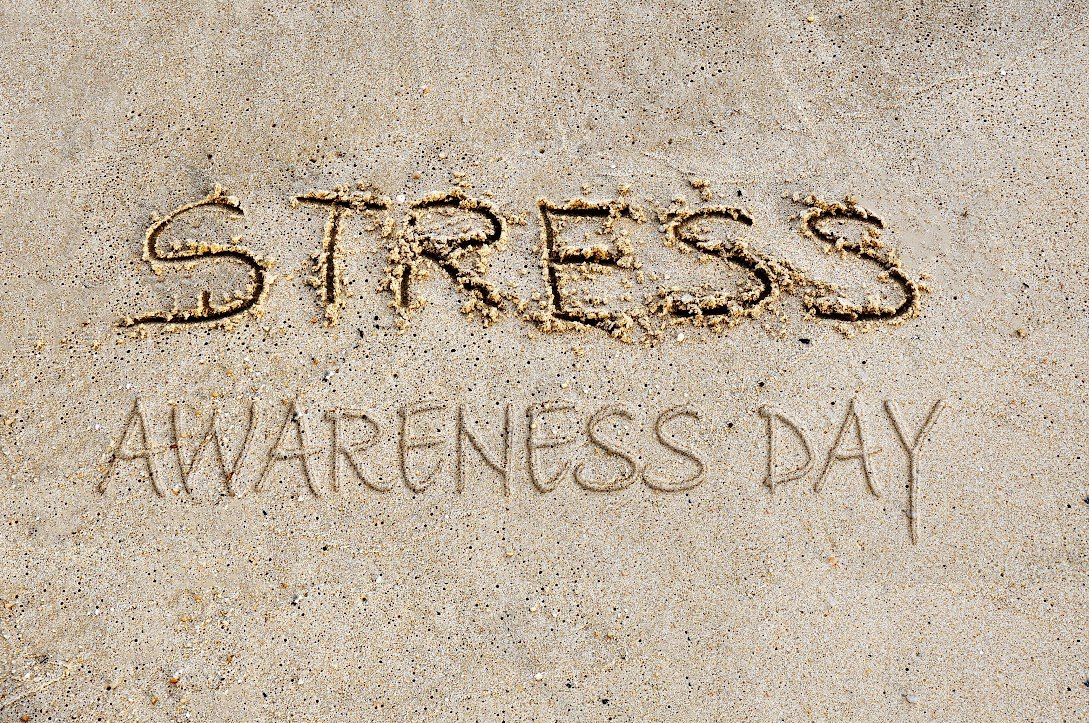
As Stress Awareness Month is approaching, it’s time to look at misconceptions about stress. The more you learn about how it works, the easier it will be for you to work on managing stressors in your daily life.
Do you feel stressed often? Or maybe you don’t even remember what it feels like not to experience stress at all? You aren’t alone. According to recent statistics, around 33 percent of people frequently experience stress. [1]
As Stress Awareness Month is approaching, it’s time to look at misconceptions about stress. The more you learn about how it works, the easier it will be for you to work on managing stressors in your daily life.
So, let’s get straight to debunking some myths:
1. Stress is always bad
It’s commonly known that stress is associated with poor mental wellbeing and physical symptoms, and it simply feels unpleasant. However, it is also an evolutionary response that allowed us to flee predators in the past. While the dangers of modern life can’t be escaped in a literal sense, stress still plays an important role in helping you survive and deal with your responsibilities.
For example, imagine that you have a deadline at work, which makes you feel nervous because you really care about your job. That distress gives you the motivation to submit your work and resolve this feeling as soon as possible.
Some psychologists such as Kelly McGonigal believe that stress shouldn’t be seen as the enemy and encourage people to see it in a more positive light. While investigating stress and looking at several studies, McGonigal found out that stress has a negative impact on people’s health but only if they view it as harmful.
This might not be as dangerous as we previously thought it was and your attitude towards it matters. However, this doesn’t mean that your job is done here, and you can just forget stress management techniques and give up on changing your lifestyle. It means that changing the way you think about worries can adjust the way your body responds to it and give you the space you need to learn how to manage it in the long run.
In her Ted Talk, McGonigal also mentions a study conducted by Harvard University, which findings revealed that participants who were taught to rethink their stress response, ended up feeling less anxious than participants who saw this as negative.
What’s even more surprising, the first group’s physical stress response changed too; their blood vessels stayed relaxed as opposed to constricting more. So, the next time you feel stressed tell yourself that it’s okay to feel this way. Instead of seeing stress as your enemy, imagine that it’s your body’s way of preparing you for what’s to come and work with it, not against it.
2. Stress motivates you
At the same time, too much stress is never a good thing and might have the opposite effect. If you constantly feel distressed, you might become overwhelmed and lose the ability to prioritize tasks. Heightened stress levels might also affect your concentration, causing you to procrastinate more often.
The more you delay completing a task, the more stressed you might feel and the less likely you’re to deal with it, which can trap you in a vicious cycle. Just like everything in life, stress is only beneficial in moderation.
3. Life is stressful so you can’t do anything to manage stress
If you think about it, there’s so little you have control over. Sure, it’s up to you to work towards your goals and make sure you live a fulfilling life but the unexpected can shatter your plans in an instant, a natural disaster, war, chronic disease, sudden death and so on. Even if you’re an optimist, you must admit that life is stressful and it’s difficult to take a break from daily responsibilities.
However, it doesn’t mean that you should just accept being stressed and not do anything to try to manage it. If you let stress escalate, you might soon find yourself under chronic stress and suffer from many unpleasant health difficulties. The key is finding a technique that allows you to achieve your goals and fulfil your responsibilities without feeling too overwhelmed.
4. Stress management techniques are one size fits all
Mindfulness, breathing, going for walks, doing yoga, eating healthy… I’m sure you’ve heard it all. And if you incorporate those techniques into your daily life, you should live stress-free, right? Unfortunately, it’s impossible to eliminate stress from your life and not every coping skill will suit everyone’s needs because we all have different personalities and deal with different life circumstances.
People who are neurotic are more prone to overthinking and might need a different approach than people who have a more optimistic mindset. Similarly, while journaling can help some clear their minds, other people might find themselves stuck in their heads even more and people who are restless might find practicing mindfulness to be initially too frustrating, which will only add to their distress.
Additionally, while self-care is important, taking time to relax might not be enough to successfully reduce it. A helpful approach includes identifying your values and increasing activities that help you live according to these values. This approach will allow you to increase your sense of purpose and make you more resilient and equipped to deal with stress.
If you’re currently dealing with worries and don’t know where to start, choose one stress management strategy and if it doesn’t work, don’t give up. It’s easy to jump to conclusions and think there’s something wrong with you but remember that stress is complex.
5. Stress looks the same to everyone
Stress manifests itself differently in everyone. Some people might experience racing thoughts, others increased heartbeat or sweaty palms and some a combination of both emotional and physical symptoms. Similarly, the impact of it will vary from person to person because we all handle things differently. Therefore, it’s so important to experiment with several stress management techniques and find the one that works for you specifically.
6. You can always tell when you’re stressed
Do you ever give yourself a full-body scan and pay attention to where you experience stress in your body and how intense it is? Most people don’t bother analyzing their stress levels because they see it as something straightforward: you either feel on edge or you don’t. However, things aren’t this simple and it’s common to experience stress and not even realize it.
For example, people who deal with prolonged but not acute stress might not notice a change in their mood but start getting unexplained pains, experience concentration problems or get sick more easily. If you have new symptoms that can’t be tied to any other diagnosis, stress is likely to be the culprit.
7. You should start worrying about stress only when it gets bad
The longer you wait to deal with your worries, the more it escalates and the more difficult it gets to manage in the long run. While you’ll experience very few symptoms at first, you might end up feeling overwhelmed in the future. It’s best to treat every symptom as a warning sign and not delay seeking help because the consequences might be costly.
For example, minor stress can be managed with lifestyle changes but if you ignore the problem, you might find yourself unable to work, lose your job as a result, neglect your relationships, and develop physical symptoms. Don’t wait until you can no longer cope and take care of your health as soon as you notice that something’s wrong.
8. Sleeping well and eating right is all you need to reduce stress
A healthy lifestyle isn’t enough to cope with stress because it doesn’t get to the root of the problem. Eating well might help you improve your mood and getting the required amount of sleep will increase your focus but while these kinds of positive changes in your lifestyle are beneficial, you should also consider the source of your stress, not just treat the symptoms.
For example, if work overwhelms you, it might be because you’re afraid of failure or don’t think you’re good enough. In that case, you’ll need to improve your self-esteem and reduce a tendency towards perfectionism. An important part of stress management isn’t just doing relaxing activities but also finding out where it’s coming from and working on correcting the problem.
9. Stress management techniques aim to eliminate stress from your life
Contrary to what some people might think, avoiding everything that might cause you stress isn’t the goal here, not to mention that it’s not possible. If you try to avoid stress, you’ll never progress and you’ll be stuck in the same place in life.
For example, you’d no longer attend job interviews, you’d stop going on dates and never take risks to achieve your goals. Learning how to manage it can help you become more resilient and facing a challenge helps you grow.
10. Stress is just a reaction to what’s happening around us
A lot of people believe that stress is a natural reaction to what’s happening in their lives, which is true to some extent but also implies that we have little control over how we approach to stress. It is mostly a product of our thoughts. For example, consider the way people with social anxiety and those without it approach social situations and how their experiences might differ.
The first group might feel stressed at the thought of meeting new people because they imagine worst-case scenarios while the second won’t think twice about it. Understanding this is important because it reminds you that modifying the way you think about stressful situations can help you change the way you react to them.
11. Positive events don’t cause stress
Have you ever felt excited but worried at the same time? If you care about something and want to do it well, it’s natural to feel stressed even if the event or experience is positive. For example, findings from a study that looked at brides’ stress indicate that women who are engaged and dealing with wedding planning are more likely to be stressed. [3]
While your wedding is supposed to be the happiest day of your life but very often comes with heightened levels of stress. Similarly, the main purpose of traveling is to go on a holiday but packing and planning might be stressful.
12. Stress causes cancer
While prolonged stress can put you more at risk of developing certain health issues, it doesn’t directly cause them. Often, people turn to harmful coping skills as a result of stress, such as smoking or unhealthy eating, that might all contribute to developing cancer in the future. Believing that stress can cause cancer can only add to your distress. Instead of worrying about potential consequences, focus on what you can do to do better manage it.
13. Stress is a mental health issue
While it can be debilitating, it’s not classified as a mental health issue or a disease. However, chronic stress is commonly associated with mental health problems such as anxiety and depression and puts you more at risk of developing them. Therefore, it’s important to seek help once you feel like things are getting out of control.
References:
[1] https://geekhealthjournal.com/stress-statistics/
[2]https://www.sciencedirect.com/science/article/abs/pii/S0306452214005387?via%3Dihub
[3] https://www.proquest.com/openview/c99993662fdb216ca2ce0c325834b8e3/1?pq-origsite=gscholar&cbl=18750&diss=y