

20 Simple Ways to Manage Your Mental Health as We Move into the Holiday Season
The holidays are a time of celebration, relaxation, and joy. However, the end of the year can also be stressful and difficult for some of you. The pressure to have the perfect holiday and attend various events can be overwhelming, which is why it is important to take steps to prepare for the holidays ahead of time.

The holidays are a time of celebration, relaxation, and joy. However, the end of the year can also be stressful and difficult for some of you. The pressure to have the perfect holiday and attend various events can be overwhelming, which is why it is important to take steps to prepare for the holidays ahead of time.
If you’re starting to get stressed out even thinking about the holidays, here are some tips on how to ramp up your mental health for the season:
The holidays can be a stressful time for those looking to maintain their mental health. When considering some tips on how to keep your mental health in check this season, it's important to first consider your general well-being. To avoid these feelings of stress and frustration this holiday season, it's important to take some time for yourself, even if it’s only 10 minutes a day.
Take care of yourself by eating healthy and getting enough sleep. Healthy eating and a good night’s sleep are not only important for your physical health but also your mental health. Your body and mind need the right nutrients to function properly to fuel you through those stressful family times.
Find ways to relax such as deep breathing or taking a bath.
Finding ways to relax is becoming increasingly important as a way to stay healthy. With all the stress and anxiety during the holiday season, it's important to find ways to relieve some tension. Techniques such as deep breathing and taking a bath are not only good for the body but are also good for calming your mind.Do something every day that brings you joy.
Happiness is a skill that you can learn. One of the best ways to do this is by doing something every day that makes you happy. A large part of this is learning to do things that make you happy on a day-to-day basis. This requires effort, but with some time and work, you should be able to find something that you enjoy doing every day.Take up a hobby during your spare time.
Having a hobby is an excellent way to have fun and decompress. It can help boost your mood, reduce stress, and make you more productive. Studies have shown that people who have regular hobbies are more emotionally content and less prone to other mental health issues. Hobbies are great ways to relieve stress, clear your head and enjoy some "me time."Take some time for yourself by going out on your own or spending some time alone. Some people might think that spending time alone is a waste of time, but it’s not. Spending some time alone can be a very rewarding experience. There are many benefits to taking some time for yourself by going out on your own or spending some time alone. One of the most important benefits is that you get to recharge and refresh yourself. You get to step away from the day-to-day things and take a break from all the stress and anxiety that life brings us. Another important benefit is that you get more creative and productive when you spend some time alone because your mind is not preoccupied with other things. Lastly, it helps you relieve stress, which can help you sleep better at night, feel less anxious during the day, and just feel happier in general.
Try not to compare your life to others’ lives on social media or in real life. You will always find someone who is doing better than you and vice versa. It is easy to compare your life to others on social media. This may lead to a sense of sadness and inadequacy. However, this is not the reality of life. There are always people who are doing better than you and people who are doing worse.
Plan ahead for holiday events, parties, and activities. Between planning parties, shopping for gifts, and decorating the house, it's easy to get caught up in the stress of it all. Having a schedule will help keep you focused on the most important end-of-year activities.
Seek out support from family and friends, or find a professional who can help you through this busy time of the year. The holidays are a time of year when our schedules are often more hectic than usual. You have to juggle family events, social gatherings, and other obligations in addition to your regular work and family commitments. The stress of the holidays can be overwhelming, but you can find help for yourself and feel less overwhelmed.
Let go of expectations from others, and set realistic expectations for yourself as well. It’s so easy to get disappointed when you don’t meet your expectations. And it’s even easier to get disappointed when you don’t meet other people's expectations of you. We are all guilty of this. We want to be the best, we want to be perfect, and we want everyone else to think that too. But the truth is, no one is perfect, and no one will ever think that about us either. The key is not in meeting expectations from others but rather in setting realistic expectations for yourself as well.
Tackle your feelings by writing them down in a daily journal or talking with someone you trust. Journaling is a great way to get your thoughts out of your head and onto paper. It helps you feel better about yourself and it can also be therapeutic. If you feel like you need to talk about how you're feeling, talk with someone who can provide emotional support for you.
Be around people who make you happy and bring out the best in you. It is important to surround yourself with people who make you happy and bring out the best in you. The people we spend time with have a huge impact on our happiness, and it is important to be around people who are positive and supportive.
Know it’s okay and when it's okay to say “no” to holiday events that will drain you of energy and hurt your mental health. The holiday season is a time of year when people are more susceptible to the many stresses that come with it. It’s important to know when you need to say “no” and when it’s okay to say “yes.” Knowing your limits will help you maintain a healthy lifestyle during this time of year, and not burn out before the holidays even begin.
Give back to the local community. Giving back to the local community is an important aspect of many people's lives. There are many ways to give back such as donating money, volunteering, or even just working for a company that does good work. Many companies will do something for their local communities as a way of giving back. For example, one company may donate money to a local charity or sponsor an event in their community. Another may provide free services in order to help the community.
Practice self-care. Make sure that you are taking care of yourself by practicing self-care activities such as taking a bath or going for a walk. It's important to take care of yourself in order to be able to take care of others. Sometimes we can't help but feel like we're neglecting ourselves when there is so much going on and it feels like we need to do more. But no matter what, it's important for us to take care of ourselves. Self-care activities are a great way for us to show ourselves that we are loved and cared for. And they can also make us feel better about the things that are happening in our lives and help keep our stress levels down.
Use mindfulness and meditation to clear and calm your mind. You may be constantly bombarded with distractions, and it can be hard to focus on what is really important. Meditation is a great way to clear your mind and recharge. It helps you focus on what is happening in the present moment and not worry about the past or future.
Keep in mind that there are many different ways to meditate, but one of the most popular methods is mindfulness meditation. Mindfulness meditation focuses on being mindful of your thoughts, feelings, and actions in the present moment without judgment. It also teaches you how to let go of thoughts that don’t serve you any longer.Keep a daily schedule of events and functions throughout the season to stay organized. Being organized is an important part of any successful person's life. And it doesn't matter what industry you're in, there are always a lot of things that you need to do. So, it's important to stay on top of your schedule and not let anything slip through the cracks.
Keeping a daily schedule is the best way to stay organized, and it can be done easily with a few simple steps. You can create your own calendar on your computer or phone and then use that as the basis for your daily schedule. Or, you could find a calendar app that suits your needs better than the ones you have available on your device already. No matter which option you choose, just make sure that everything is in one place so that you never forget about anything!Practice gratitude every day. Practicing gratitude can have an immense impact on your life. It can help you to be more positive and optimistic, it can make you feel calmer and less stressed. It is also a great way to build relationships with others. There are many ways in which you can practice gratitude every day. Here are some suggestions:
You can write thank you notes, or even just say thank you out loud.
Set aside time each week to reflect on what you are grateful for in your life, whether it's your family, friends, work, or anything else that makes you happy.
Keep a gratitude journal, where you write down three things for which you are grateful every day, and reflect on how these things have made your life better.
Practicing gratitude can help with mental health issues like depression and anxiety.
Strive to get enough social interaction with people outside of your immediate family or friend group. It is important to get enough social interaction with people outside of your immediate family or friend group. This will help you to become a more well-rounded person and improve your emotional intelligence. It is easy to get lost in the echo chamber of social media and not realize how much you are missing out on. Social media can be a great tool for connecting with people, but it can also lead us into an echo chamber where we only interact with people who think the same way as us.
Make a list of everything you want to achieve in the next year and review it at the end of the year.
Making a list of goals for the year and reviewing that list at the end of the year can be a powerful motivator. Goals are necessary for any kind of success and without them, you won't know what you're working towards. Setting your sights high is important if you want to grow and take advantage of opportunities.
Final thoughts
The holiday season can be a difficult time to maintain mental health because it is often stressful, full of change, and presents many opportunities for comparison. Therefore, it’s important to be mindful of how you are feeling and what changes can help make your life more manageable.

The Complete Guide to the Sunday Scaries and How to Overcome Them
If you get anxious on Sundays, read this. You’re not alone.
Introduction - What are the Sunday Scaries and what causes them?
The Sunday Scaries are the fear of the unknown. You don't know what's going to happen tomorrow and it scares you. This feeling of unpredictability can lead to a sense of anxiousness, panic, feelings of helplessness, and even depression. This is a term that has been coined to describe the feeling of dread and anxiety that many people feel on Sundays as they prepare for the workweek ahead.
In this article, we’re going to discuss some of the Sunday Scary symptoms as well as coping strategies that you can put in your pocket to make the upcoming week more bearable.

If you get anxious on Sundays, read this. You’re not alone.
Introduction - What are the Sunday Scaries and what causes them?
The Sunday Scaries are the fear of the unknown. You don't know what's going to happen tomorrow and it scares you. This feeling of unpredictability can lead to a sense of anxiousness, panic, feelings of helplessness, and even depression. This is a term that has been coined to describe the feeling of dread and anxiety that many people feel on Sundays as they prepare for the workweek ahead.
In this article, we’re going to discuss some of the Sunday Scary symptoms as well as coping strategies that you can put in your pocket to make the upcoming week more bearable.
What are Some Symptoms of Sunday Scaries?
As we said in the introduction, Sunday Scaries is a term used to describe anxiety or depression that people experience on Sunday night or Monday morning. This is because they are dreading the upcoming work week, and they may worry about not being able to meet their deadlines and other important commitments. It can also be a sign of burnout, which is an occupational hazard.
There is a wide range of symptoms but the most common are:
- Feeling lethargic
- Having trouble concentrating
- Body aches
-Anxiety Attacks
-Panic Attacks
-Irritability
-Exhaustion
-Increased Alcohol Consumption
- Muscle tension
- Feeling restless and irritable
- Difficulty concentrating
- Tension headaches
- Insomnia
- Having difficulty sleeping on Sunday night
-Feeling restless or irritable during the day on Sunday
-Fearing that something bad will happen on Monday or Tuesday morning
-Feeling anxious about what you have not accomplished this weekend when you should have been working instead
-Worrying about how you will get everything done in time for Monday morning
If you’ve experienced any of these symptoms on a Sunday, you may have had a case of the Sunday Scaries. In light of this, what are some tips you can use the next time these feelings creep up?
How to Overcome The Fear Of Sunday Scaries
To help you ease into the following week on Sunday, here are 21 coping skills you can use.

1. Setting small, achievable goals for your Sunday evening.
Sunday evening is the perfect time to set small, achievable goals for the week ahead. Because it's Sunday evening, you'll have a mental break and be able to think more clearly.
The best part about this technique is that you can do it in just a few minutes. You don't need to spend hours planning your week. Simply take out a sheet of paper and write down three or four tasks that are small enough so they can be completed in one day, but still challenging enough so they will make you feel accomplished when they're done.
This technique is great because it helps you stay motivated throughout the week by setting achievable goals every day.
2. Accept that this feeling is normal and not something that should be feared.
Anxiety is normal and not something that should be feared. It is common for those who have been diagnosed with an anxiety disorder to have a sense of dread or fear at the idea of being in a situation that may cause them to feel anxious. Some people may experience shaking, sweating, dizziness, and panic attacks when feeling anxious.
3. Know what triggers your feelings.
Emotions are often the result of triggers or events that spark your emotions. The trick is to identify what triggers your feelings and find ways to avoid or eliminate them.
4. Try to shift your focus by concentrating on the positive aspects of your day.
It’s hard to focus on the positive aspects of your day when you are constantly bombarded with negative news. But you need to change your perspective and try to find the good in everything.
The first step is to put a stop to any negative thoughts that might come up and replace them with positive thoughts. When you start focusing on the good, you will automatically see it more often.
The second step is to make a list of everything that went right during your day, even if it seems small or insignificant at first. You can also keep a gratitude journal where you write down five things every day that made you happy.
The third step is to be mindful of what you are doing at the moment and be thankful for it - even if it seems trivial or inconsequential.
5. Make sure you take care of yourself during the weekend with adequate rest.
The weekend is a time for relaxation and self-care. But this can be hard to do when you are constantly connected to work. So here are some ways to disconnect from work during the weekends and take care of yourself.
Turn off notifications on your phone, computer, and tablet. If you want to check your email or social media accounts, set specific times for this activity during the day when you know you will have time for it.
Create boundaries with your boss about what hours should be considered "off." This way, if they email or call at night or on the weekend, you don't feel obligated to answer it right away because they are not expecting an immediate response.
Set up boundaries with clients about what hours should be considered "off."
6. Spend time with family and friends during the weekend.
The weekend is a time for family, friends, and fun. It's a time to take a break from the routine and spend some quality time with loved ones. Many people feel guilty about not spending enough time with their families during the week and that's why they make an effort to spend more time with them on weekends. For those who are single, it's also important to have some alone time on weekends. You can use this time to do things you enjoy or just relax at home.
7. Get a good night's sleep on Sunday so you feel refreshed for Monday morning.
A good night's sleep is the foundation of feeling refreshed for the following day. Many people struggle with getting a good night's rest, but luckily there are many ways to help achieve it. One way is to wind down the day by doing some light stretches or yoga, reading a book, or writing in your journal. Setting an alarm for the same time every day can help you remember to go to bed at the same time every night.
8. Schedule your day in the morning before you start your work day so you know what needs to be done and when.
To get the most out of your day, you need a plan. Make sure you are setting goals and organizing tasks by priority, so you can spend your time more efficiently and make progress on those things that are most important.
9. Go for a walk, spend time with friends or family, or simply take some time out to relax.
There are many ways to spend a little time for yourself. Take a walk, play with your pet, or spend some time with friends and family. You deserve to take a little time for yourself and recharge your batteries, so don't feel guilty about taking some time out of your day.
10. Try to meditate every day to keep a clear head.
Meditation is a powerful tool that can be used to increase awareness, focus your attention, and relieve mental stress. It's important to find a meditation practice that works for you, but with many different styles to choose from, you should be able to find something that works for you.
11. Plan your entire week ahead of time and see what needs to be done.
Planning out your week ahead of time can make it much more manageable. To start, break down all the tasks you have for the week and then prioritize them into three categories: high priority, medium priority, and low priority. High-priority tasks are things like work deadlines, meetings with clients, and other important events that need to be planned ahead of time. Medium priority tasks include things like errands. Low-priority tasks are tasks that can be completed at your leisure.
12. Set SMART goals for yourself for the upcoming week.
Setting goals is an important part of any project or task. You need to have a clear understanding of what you want to achieve and how you are going to do it.
A SMART goal is a goal that is specific, measurable, achievable, relevant, and time-bound. This means that your goals should be:
Specific: Your goal should be specific enough for you to know what it is and how you would know if you achieved it.
Measurable: You should be able to measure your progress towards achieving the goal.
Achievable: Your goals should not be unattainable or unrealistic - they should be achievable with enough effort on your part.
Relevant: The goal needs to relate to the overall purpose of the project or task.
By doing so, you will have something to look forward to and will feel accomplished when you complete them.
13. Break smaller tasks into smaller, more manageable ones to make the day easier.
Breaking a large task into smaller pieces makes it more manageable and achievable. Creating small, incremental goals and focusing on the tasks at hand will help you stay focused and motivated throughout the process.
14. Get into a daily routine - find a time when you can do your work every day and stick with it.
A routine is a series of actions that are repeated regularly. Routines can benefit you because they help you maintain a sense of order and stability in your life. There are many benefits of having a routine. For example, it can make your life more predictable and easier to manage. However, the most important benefit is that it will help you to eliminate procrastination and get things done more efficiently.
15. Find something to look forward to every week.
It’s not always easy to find something to look forward to every week. But, if you find a few things that you enjoy doing, and then schedule them into your calendar, it will help you stay motivated.
For example, if you like cooking and baking on the weekends, then schedule some time on Saturdays and Sundays for that. If you enjoy reading books or watching movies, then make sure to set aside time in your calendar for these activities as well.
Whether it's going out with friends or working on something you enjoy, find something that makes your week more enjoyable.
16. Eat healthily: Eating healthy foods can also help you feel better about yourself and your life in general.
Eating healthy foods won't just help you feel better physically, but mentally as well. When you have a healthier diet, the brain releases endorphins that make you happier. You also find yourself thinking more clearly and being more productive.
17. Ask for support whether at home or work.
Some days, life can be tough. Whether you are at home or work, it is nice to know that you have a support system. Nowadays, there are many ways to get the support you need. You can find online communities where people share their struggles and offer advice. You can also go see a therapist in your area or talk to friends and family who will be happy to listen and help out.
18. Take a break from your work and do something else for 10-15 minutes on Mondays.
If you're feeling tired, drained, or just in need of a break, give yourself 10-15 minutes to do something else. You might decide to go for a walk, make some tea or coffee, or just take a snack break. The point is to take on some task that has nothing to do with your work.
19. Don’t spend all of your time on Sunday panicking over what can happen during the upcoming week.
It’s also important not to spend the entire day worrying about Sunday night because it will make you feel worse. Instead, try spending time doing a puzzle, doing chores, doing some activity that you enjoy, or reading a book you like.
20. Be realistic with yourself about how much you can realistically accomplish in seven days.
One of the keys to success is being realistic about what you can accomplish in a week. If you are like most people, you might think that you could stay up late every night this week and get all of your work done. But before you set yourself up for failure, be realistic about how much work it would take to complete everything on your list in one week.
21. Practice Yoga to keep your mind calm and maintain a positive attitude.
Yoga is a practice that can be done anywhere and at any time. It has been shown to improve the mental health of individuals by helping them maintain a positive attitude, increase their mindfulness, and reduce symptoms of depression and anxiety.
Final thoughts:
Overall, the Sunday Scaries is a phenomenon that occurs to people on Sunday mornings, when they are left with the daunting prospect of returning to work on Monday. However, such a phenomenon can be overcome by setting specific goals for the upcoming week and following up on them before the next weekend arrives.

30 Ways to Cultivate a Growth Mindset

What is a growth mindset? What are the best ways to cultivate one?
A growth mindset is a set of beliefs that are focused on the idea that your abilities can be developed and improved through effort. Such a mindset is important for success in life and in any field. It is essentially one of the most important things you can work on to become a more successful person in life. The belief that we are born with our talents, skills, and intelligence already intact and fixed can be detrimental to our happiness, performance, and success. If you’re looking to cultivate a growth mindset, here are 30 simple ways to get started now.
1) Practice gratitude daily
Gratitude is the practice of being thankful for what we have or for those who have helped us. It's a way of seeing and feeling that things are always going to be good and that there is always something to be grateful for. Gratitude is one of the most powerful tools in our lives. It can improve your mood, help you sleep better, and make you happier overall. Practicing gratitude daily will help you stay positive throughout your day and will make you more productive at work as well.
2) Take on small challenges
To achieve your goals in life, you need to take risks and do all that you can. You need to be willing to face challenges and make changes in your life. You must try new things and learn from them so that you can improve your skill sets. The key is to find small challenges that are manageable for you and are within reach of your abilities. This way, the challenge will not be overwhelming for you and instead, it will be a motivator for improvement.
3) Learn from your mistakes
Mistakes are inevitable. But, learning from them is the key to personal growth and success. It’s important to understand that mistakes are not always bad. In fact, they can be a great learning opportunity as long as you don’t allow them to define you or your life. It's important to learn from your mistakes and use them as opportunities for personal growth.
4) Believe that you're capable of achieving your goals
Everyone has goals that they want to achieve, but sometimes it can be difficult to find the motivation to actually go after them. You sometimes feel limited by your circumstances and believe that if you don't have the resources or knowledge of what it takes, then there's no way for you to succeed. The only way out of this cycle is by believing that you are capable of achieving your goals and taking action.
5) Focus on what you have control over, like your effort and actions
If you want to make the most of your day, focus on what you have control over, like your effort and actions. It is important to not let other people or external factors affect how you feel about yourself as well as circumstances that are out of reach.
6) Don't compare yourself to others - focus on personal progress instead
It's tempting to compare yourself to others and see where you fall when it comes to your goals. It can be a great motivator if you're looking to achieve something, but often this mindset leads people to feel like they're falling short of whatever they set out to do. Comparing yourself can also dilute the impact that any changes in your life have on your overall happiness. It can make you feel defeated, not to mention it's also a waste of time.
7) Seek out feedback from people who are more experienced than you are as it will help you achieve your goals faster

A lot of people feel like they don't have the time to seek out feedback from people who are more experienced than they are. They think that the process of seeking feedback is too time-consuming and it would be better just to wing it. But if you're struggling to get everything done, you should look for ways to get external feedback.
8) Have a plan for when things go wrong - it's important to know what to do when obstacles arise so you don't get discouraged or give up too soon
There are always obstacles that you have to face throughout life. Whether they are external or internal, in the end, it's up to you to decide what you're willing to do and how far you're willing to push. You need a plan--a template--for when things go wrong. The more prepared you are, the less likely it is that you'll give up in the face of adversity.
9) Be kind and compassionate to yourself
It's easy to get caught up in the hustle and bustle of life, but it's important to take a step back and take care of yourself. This is especially true when you're working on a new project or trying to achieve a goal.
Self-care can be as simple as taking a walk outside or going for a jog every day. It can also involve taking time out for yourself, whether that means reading your favorite book, binge-watching your favorite show, or even just taking an hour to meditate. It's important to have self-care routines in place so that you can maintain balance and focus on what matters most.
10) Think about what you want to achieve and come up with a plan
Knowing what you want to achieve in life can be difficult to define. When you're stuck, one of the best places to start is by brainstorming what your goals might be. Think about how you want your life and career to evolve in the future and write down all of the things that appeal to you. From these ideas, you'll have a clear idea of where you want to go.
11) Be aware of your strengths and weaknesses
Every person has strengths and weaknesses; the trick is to identify them and use them. This can be done by thinking about your personal strengths and weaknesses, as well as those of the people around you. For example, if you have a high degree of empathy and struggle with decision-making, you might want to consider working in a more decision-oriented field such as coaching or consulting.
12) Don’t be afraid to take calculated risks
There are many ways to build the life you want, but one of the biggest obstacles is the fear of taking a risk. We often hear people say "I'm not good at risk-taking," "I'm too afraid to take risks," or "I just don't have what it takes." But in order to achieve success, you need to be willing to take risks.
13) Ask friends and family for help and support when needed
It can be hard to know how to ask for help. People often feel embarrassed, helpless, or ashamed when asking for help and are afraid of being judged.
Some of the most common things that people say when asking for support from friends and family members are "I'm really struggling right now," "I don't know what to do," or "I feel like I'm losing it." These are all valid reasons to ask for support, but they may not always be the best ones.
Here are some things you can say when asking for support from friends and family members:
Here are some other phrases you can use when asking for support:
"I need your help with something" or "Can you help me with something?"
"Do you have any advice?"
"What would you do in this situation?"
14) Keep learning new skills
Learning a new skill can be life-changing. It can open up doors to opportunities that were not previously available or it can provide you with a sense of fulfillment that you didn't know you were missing out on before. The key is finding the right learning method for yourself, which could be anything from attending school, taking online courses, or even just watching YouTube videos.
15) Take on larger and scary tasks than you are capable of doing

If you're feeling overwhelmed or scared by something and you see it as a daunting task, try thinking about how that task can be broken down into smaller, more manageable steps. The first step is always the hardest and sometimes the most important.
16) Keep a reflective journal
Journaling is a practice that helps you to be more aware of your thoughts, feelings, and behaviors. It helps you to identify patterns in your life and the things that are most important to you. They are also often used to help people with other emotional and mental issues. What's more, studies have shown that journaling can reduce the risk of depression.
17) Understand that there’s always room for improvement
To improve your life, you must first understand what it is that you're not doing, and then prioritize your tasks accordingly. It's important to understand that there's always room for improvement. There are always should-do's and must-dos in life.
18) Ignore the noise around you and stay focused on what matters most to you
Focusing on the things that matter most and ignoring the noise around you is one of the major keys to success. It's not easy, but it's possible. All you need is determination and willingness to work hard. This will help you concentrate on yourself.
19) Understand that failure isn’t the end of the world
Failure has been a part of human existence for as long as humans have existed. Failure is not the end of the world and should not be feared. It is a valuable life lesson that can teach us valuable lessons about how to succeed in the future.
20) Be open-minded about new experiences
New experiences are important for the human psyche, but it's hard to open yourself up to new things. It's easy to be hesitant and fearful of change, limiting your options. To get people to open up and try new things, you need to be open-minded and willing to change yourself as well as your opinions on topics you may not like.
21) Have a sense of humor
A sense of humor will also help you stay positive in tough times and get through difficult moments without losing your cool or your sense of perspective.
22) Know what makes you unique and different from the rest of the pack
It is important to know what makes you, as a person, unique and different from the rest of the pack. This will help you stand out in a crowd and become memorable.
It is important to know what makes you, as a person, unique and different from the rest of the pack.
This will help you stand out in a crowd and become memorable.
23) Meditate every day to clear your mind and keep a calm perspective
Every day is a great time to meditate to help keep your mind clear and calm. Meditation also can be used as a tool to keep stress levels at bay, as well as gain a sense of peace and relaxation. The benefits of meditation are wide-ranging and can benefit your mental health, physical well-being, and spiritual well-being.
24) Strive to keep a positive attitude during times of adversity
The first step to achieving success is believing in yourself. However, it can be difficult to maintain a positive attitude during times of adversity. It can be hard for people with low self-esteem and those who are experiencing a difficult time to see the light at the end of the tunnel. It's important to remember that everything happens for a reason and that there will always be something better on the other side.
25) Spend time with people who have a lot of energy and enthusiasm for life
People who have a lot of energy and enthusiasm for life are easy to be around. They are full of life and always have a smile on their face. They love to laugh, live in the moment, and are disciplined. That energy is often contagious.
26) Embrace uncertainty
The future is uncertain and you need to embrace that. You should not be afraid of change. There are many reasons why it's important to embrace uncertainty. For one, it gives you the opportunity to try new things and explore different aspects of your personality, which will ultimately make you a better person. It also helps you grow as an individual and discover new skill sets that will help you in the future.
27) Learn how to be resilient
Resilience is the ability to adapt, bounce back, and recover quickly from stressors or setbacks in order to maintain a positive outlook. It is also the ability of an individual or group of people to maintain their sense of well-being despite experiencing difficult life circumstances.
The following are some factors that contribute to building resilience:
Having a healthy lifestyle
Having supportive relationships
Using coping skills when faced with difficult situations
Developing positive emotions
Being optimistic about the future
28) Take advice from those who have achieved more than you
Where should you go if you're trying to get ahead in life? How about looking back at people who have already achieved great things and taking their advice? Why not try asking someone who has attained a level of success similar to yours some questions about what has worked, what hasn't, and what approach they took?
29) Stay open to feedback, even if it’s tough to hear
It's difficult to get feedback on your work, especially when it's not always positive. However, you should always stay open to feedback. It will teach you how to improve your skills and help improve your overall skills.
30) Nurture your relationships, especially with those who are different from you
In an increasingly diverse world, you may find it hard to make friends. However, spending time with people from different backgrounds can be a great way to learn a lot about other cultures and traditions. Additionally, forming new relationships can help make you feel more confident and better understand yourself.
Final thoughts:
It's difficult to develop a growth mindset when life throws curveballs at you. However, such a mindset can help you manage stress and thrive in the process, and keep learning, even when life doesn't go as planned.

30 Ways to Stay Productive and Overcome Distractions as a Busy Professional
In a hectic and busy world, how do you get more done?
In a world where we are constantly busy, there is always something to do, whether it be writing that last email, going grocery shopping, or finishing the laundry. However, we often find ourselves procrastinating and overthinking the things that we need to do. It can be difficult to break out of this cycle, but there are ways that you can get more done. In this article, I’ll share 30 easy and effective tips anyone can use to increase their productivity at home and at work.

In a hectic and busy world, how do you get more done?
In a world where we are constantly busy, there is always something to do, whether it be writing that last email, going grocery shopping, or finishing the laundry. However, we often find ourselves procrastinating and overthinking the things that we need to do. It can be difficult to break out of this cycle, but there are ways that you can get more done. In this article, I’ll share 30 easy and effective tips anyone can use to increase their productivity at home and at work.
1. Use to-do lists to help with focus and complete your most important priorities
Whether you're trying to get your work done or simply trying to stay organized, a digital or handwritten to-do list can help. With the right approach, you can use this tool as a new perspective on what's most important and how to prioritize what is most urgent.
2. Keep an eye on what is not going right and work to turn negative moments into positive ones
Negative moments in all aspects of life are inevitable. But it is important to keep an eye on what is not going right and turn them into positive moments. Here is a common example:
Negative Moment: Your boss doesn’t like your idea.
Positive Moment: You don’t need to do everything that your boss likes, but rather you just need to make sure that you are presenting your idea in a way that they will like it.
3. Set goals for yourself and make deadlines that bring you closer to achieving them

When you find yourself in a rut or feeling like you're stuck and not making progress, it's important to set goals that inspire you and make deadlines that get you closer to achieving them. These goals can be anything from lifestyle changes to career changes, which help give your life purpose and meaning.
4. Keep track of your time spent on each project to maximize your productivity
Keeping track of your time spent on each project is essential. Tracking your time spent is not only a great way to see how long it takes you to complete certain tasks but also how much time you spend on unnecessary tasks that can be cut out from your daily routine.
5. Don't multitask while working; focus on one task at a time to enhance your productivity
It's a common practice to multitask while working, but experts say that it can be an ineffective and distracting tactic. Overwhelming yourself with multiple tasks can actually make you less effective in the long run. So, if you're looking to get more done in a day, focus on one task at a time and you'll see the results.
6. Create a morning routine that helps you kickstart the day and stay focused throughout the day
A morning routine is a great way to start off your day successfully. It's important to set the tone for the rest of the day. It should be a simple process that centers around self-care and planning out your day ahead of time. This will help you stay focused throughout the day, focused on what's important.
7. Provide yourself with healthy snacks at work
In the office, it's easy to be surrounded by unhealthy treats such as candy and chips. The best way to stay healthy is to bring your own snacks. Having a snack on hand can help you avoid those midday cravings and keep your blood sugar from spiking, which could lead to energy fluctuations and the inability to concentrate on your work.
8. Plan out your week in advance so you know what’s on your daily schedule
Planning ahead is key to staying on top of your daily schedule. If you take the time to plan your week in advance, you can keep track of what's coming up and what you need to do. This will help you avoid being unprepared for a long day at work or a night out with friends.
9. When you finish one task, mark it off the list, and move on to the next task
When you have a list of things to do, it's easy to get overwhelmed and keep adding tasks. However, when you finish one task on the list and move on to the next task, it is easier to accomplish those tasks. When your list gets too long and daunting, take the time to review your list and see if there are any tasks that can be crossed off.
10. Break down large tasks into smaller ones
It's hard to break down large tasks into smaller, manageable ones. Yet, the key to accomplishing this is to identify the process and break it down into individual steps. When you understand what each step is, your work becomes easier and more effective.
11. Schedule your day with deadlines for each important task
One of the most common challenges that busy working professionals face is time constraints. They are constantly juggling too many tasks and are often forced to work long hours. There is no better way to keep yourself on track than with a schedule. Schedule your day by setting deadlines for each task so you can stay focused on your priorities.
12. Create a task board where you can review your progress and see what needs to be done next
A task board is a space where you can keep track of all the tasks that need to be done during your day. They help you stay on top of what's important, allow you to plan, and work smarter, not harder.
13. Schedule time for creative work
The most important part of any job is the time allotted for creative work. To have time to create, you must schedule it and come up with a plan that works best for your needs. Whether you're an artist, writer, lawyer, or business owner, you must carve out time in your busy schedule specifically for creative work.
14. Make sure you have a social life outside of work
The best way to stay sane while working is to make sure you have a social life outside of work. It’s important to keep your personal life separate from your professional life.
15. Take a nap when you need it
It is important to take naps during the day (if you have time in your schedule) and if you feel like you’re struggling with focus or fatigue. It’s also helpful for your mental health if you have trouble sleeping at night because of stress or anxiety.
16. Make sure you have a dedicated workspace where you can focus on your work
When you're in the zone, it can be frustrating when you need to stop for a break or take a break. It's important to have a dedicated workspace that is designed for your productivity needs. This workspace should be located where you can focus without distractions and where you will remain productive over time.
17. Get up and move around every 30 minutes to improve your overall productivity
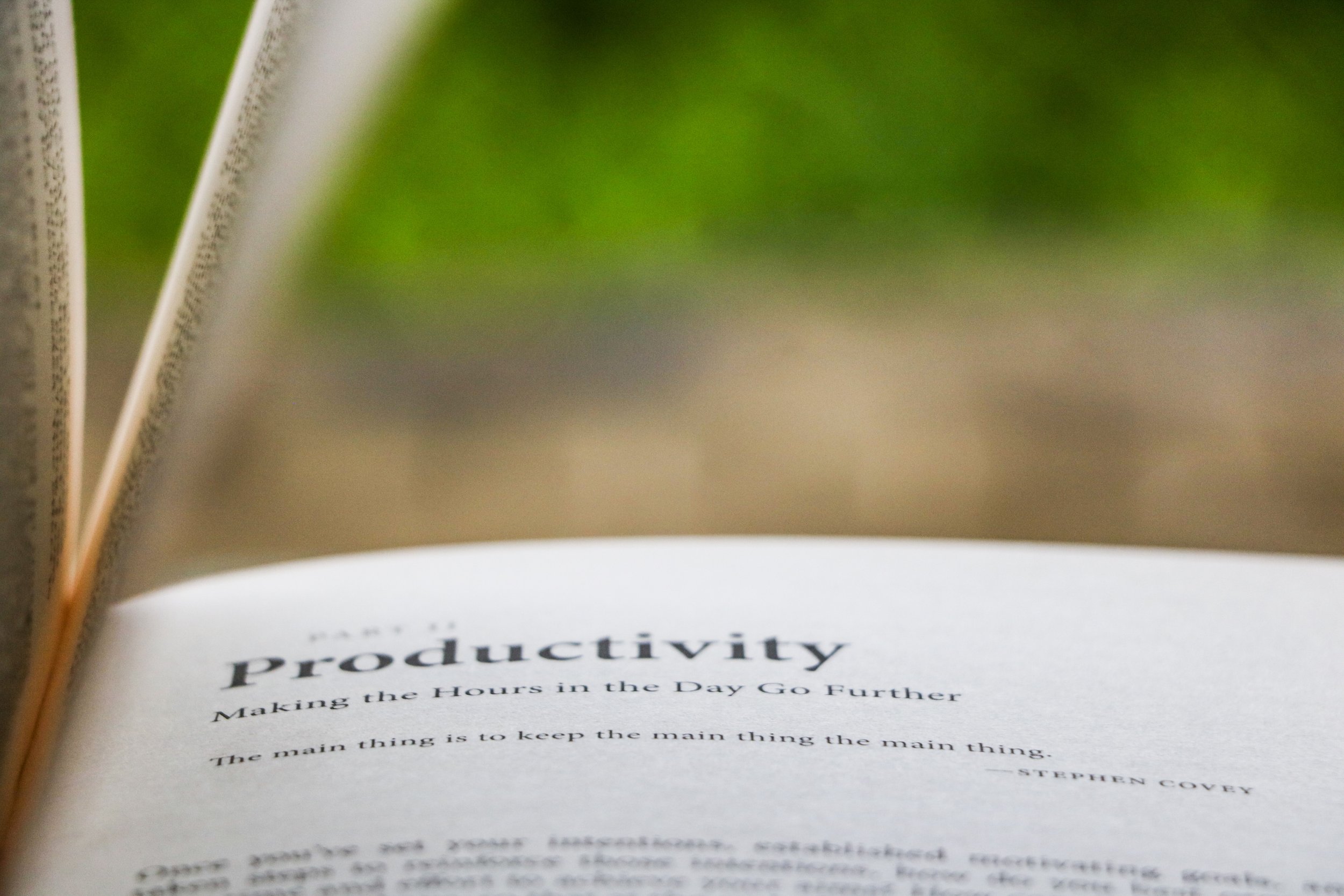
When you're sitting at your desk all day, the best thing you can do to avoid feeling tired is to get up and move around every 30 minutes. This will help you maintain a healthy work-life balance and it'll also improve your focus on the task at hand.
18. Keep track of what's going well at work
A work journal can help you stay accountable for your performance at work, and it can also serve as a way for you to track your successes and failures. By maintaining a record of what is going well, what is not, and how you can improve it, you are able to make improvements that will have a lasting impact on your career.
19. Be mindful of your work schedule and what you’re doing
Being mindful of your work schedule can help you avoid burnout, achieve a better work-life balance, and make sure that your job doesn’t become an unhealthy obsession. It can also help you make the most of your time on the clock.
20. Don't procrastinate and don't be afraid to ask for help
Procrastination is the enemy of productivity. It can make you feel guilty, it wastes time and energy, and it's just a vicious cycle. If you're struggling to get your work done or are feeling anxious about deadlines, don't be afraid to ask for help from friends, family members, or professionals.
21. Keep a personal journal of your thoughts
Journaling is a great way to organize your thoughts, discover more about yourself, and be more productive and mindful throughout the day. It can be a tool to help you overcome anxiety, stress, and other negative emotions.
22. Keep your workspace clean: clutter can be a huge distraction when trying to focus on work
If you're constantly worrying about staying organized, you could be wasting hours of your time. A study from the University of Pennsylvania found that people who work in an office with a messy desk are 14 percent less productive than those who work in a clean one. Whether it's time to move, or start managing your mess better, it's important to keep your workspace clean and clutter-free.
23. Limit your distractions to enhance your productivity
If you want to be productive, then you need to make sure that your work is not being interrupted by anything else. Whether this means putting up a "Do Not Disturb" sign on your door or shutting down social media apps on your phone, it's important that you limit the distractions around you so that you can focus on what matters most: your work.
24. Focus on what you can control
Focusing on what you can control and not what you can’t is a powerful mindset. It helps you improve your life and accomplish your goals. It allows you to have control over what is going on in your life and feel empowered instead of helpless.
25. Reward yourself for achieving your goals
If you have been struggling to achieve your goals, reward yourself once you have reached them. Whether it is a milestone like getting a promotion or raise or starting a business, rewarding yourself will help keep you motivated for the next challenge.
Some ways to reward yourself are buying something that makes you feel good, getting a massage, taking a vacation day, or just taking the time to relax and enjoy life.
26. Try other activities that make you happy
There are many activities that can make you happy. If you're looking for something new and exciting, try one of these activities: dance, volunteering, painting, gardening, rock climbing, or surfing.
27. Focus on the big picture and the outcome of your work
The big picture is a way to think about the future of your work and what you want to achieve. It's a way to guide your actions and show you where you want to go. The big picture is not just about the outcomes of your work, but also about the process that gets you there.
The big picture is an important part of any project. It helps you see where you're going, how you're getting there, and what you need to do in order for your project to succeed.
28. Take a break every 90 minutes during the workday to improve productivity
A break during the workday is essential for your mental well-being and productivity. It is a time to take a breather and refresh your mind.
Taking a break every 90 minutes can help you stay focused and avoid burnout.
Taking a break every 90 minutes can help you from getting distracted by trivial things.
Taking a break every 90 minutes can help you to be more creative and innovative.
Taking a break every 90 minutes can help you to reduce stress levels, anxiety, anger, or frustration which will in turn lead to better health.
29. Find your best work times and stick to them
One of the most important things that you can do for your career is to find the hours in the day that work best for you–whether you’re a morning, afternoon, or evening person. Working on your own schedule will allow you to focus on your work with fewer distractions as well as increase productivity.
30. Make sure you have an idea of what is going on in your industry and what is trending so that you don't miss out on opportunities
Understanding your industry is key to success. This can be achieved by staying up to date and being aware of what is trending in the industry, so you are not left behind.
Final Thoughts on Productivity
Being productive at work will help you enjoy personal time. So it’s important to follow some of these methods as they will help you in your work and personal life.

The Complete Guide to Finding Work-Life Balance for Working Moms
The term work-life balance is often used concerning the balance that individuals attempt to maintain between their professional and personal lives. There are many ways in which people try to achieve work-life balance, and there are no set rules on how this should be achieved. However, people need to find a way of achieving it that works for them. This article will provide some insights into why working moms struggle with work-life balance.

Reasons Why Working Moms Struggle with Work-Life Balance
The term work-life balance is often used concerning the balance that individuals attempt to maintain between their professional and personal lives. There are many ways in which people try to achieve work-life balance, and there are no set rules on how this should be achieved. However, people need to find a way of achieving it that works for them. This article will provide some insights into why working moms struggle with work-life balance.
As more women enter the workforce, there is a clear increase in the number of working moms. In addition to juggling their work-life balance, they also need to manage childcare and many other responsibilities that working dads don't have. Below, there are 26 easy ways you can balance work and life, so you don’t lose your mind and protect your mental health
26 Ways to Find Better Work-Life Balance as a Working Mom
Working mothers are often faced with the dilemma of work-life balance. Achieving this balance can be a challenge for women who want to spend more time with their children.
1) Set SMART goals for work-life balance.
Your work-life balance is important, so make sure you are setting yourself up for success. Do you know what your work-life balance goals are? SMART goal setting can help you identify the results you want to achieve in different areas of your life and take the steps to achieve them.
2) Know what you want.
Before you attempt to find a work-life balance, you must know what kind of lifestyle will make you happy. Do you want to have more time for yourself? Do you want more time for your family? Or do you just want more time in general? Figure out the answer before anything else and then figure out how to get there.
3) Work-life balance is not impossible.

Work-life balance can seem like an impossible goal to reach. But it doesn't have to be. Making compromises in different areas of life is the key to success in finding a good work-life balance.
4) Being conscious about work and life.
The balance between work and home life can be hard to maintain with children. It is essential to be aware of what you are doing and make conscious decisions about how much time you spend at work.
5) Strive to gain an understanding of your work-life balance.
You need to know what you want from your career, what you want for your children, where you want them to grow up, how much time you want to spend with them, what kind of lifestyle you want, etc.
6) Build your support network.
It is also important for working moms to have a supportive work environment that will allow them to take care of their children when they are sick or go on business trips.
7) Create a routine for your day, so you can manage your time better.
Creating a routine for your day can take all the guesswork out of your daily life. Setting specific hours for each task will allow you to manage your time better and get more done.
8) Set boundaries for yourself, such as only checking email in the morning and not after 7 pm or on the weekends.
It's easy to feel like we need to be available 24/7 for your boss, but the truth is that you need to set boundaries. When you check email after 7 pm, it can lead to a sense of anxiety and stress. Not only that but checking your email before work can result in feeling overwhelmed and not being able to focus on what you should be doing for the day.
9) Take care of yourself by doing things like getting enough sleep and exercising.
Take care of yourself by doing things like getting enough sleep and exercising. Sleep regulates hormones and helps the body maintain a healthy weight while exercising helps with stamina, depression, anxiety, and stress.
10) Take care of your family by spending time with them and making them feel loved.

Spending time with your family is so important. "Quality time" doesn't have to be reserved for one-on-one relationship building. It can be as simple as a walk in the park or sharing a meal. It's not about quantity, but about quality and creating an experience that will resonate with your children for the rest of their lives.
11) Try to have dinner as a family as often as possible.
Eating dinner together as a family is one of the most important moments of the day. You and your loved ones can share what's happening in your lives with each other without distractions.
12) Delegate responsibilities at home and work.
This will allow you more time for yourself and help you avoid feeling overwhelmed by all the tasks of running a home and raising a family. You can delegate tasks such as cooking, cleaning, and laundry to free up time for your pursuits. For example, you could ask your spouse to cook dinner so that you can spend more time on other things like reading a book or catching up on your favorite television show.
13) Seek online or in-person mentors and support groups.
These groups provide support and accountability to working mothers who need help with work-life balance.
14) Put boundaries around your time spent on social media and limit your screen time when you are home.
It's important to put boundaries around your time when you're on social media. For example, you could set a limit on how often you check your social media accounts or how long you spend on them each day. It’s also good to put limits on what time of day you use social media so that it doesn’t interfere with your sleep schedule or other daily routines.
15) Make sure that your work schedule is not too demanding.
Working too hard can take a toll on your health and lead to burnout. It can lead to stress and exhaustion which may cause you to make bad decisions. While it may seem like you are more productive when working long hours, the truth is that if you don't take a break and get some proper rest, your productivity will suffer.
16) Try to have a set time for when you will stop working each day and stick with it.
It is important to have a set time for when you will stop working each day and stick with it. Setting a time to stop work can help you avoid the temptation to work late into the night. It can also help you avoid the temptation of checking your phone or computer when you are not working.
You should find what works for you and start there. You may find that stopping at 5 pm every day works best for your schedule, or that stopping at 9 pm every day works best for your schedule.
Regardless of what time it is, make sure that it is a set time so that you do not have to think about when to stop work each day.
17) Don't let the guilt of not being able to spend enough time with your children get in the way of your career goals.
The guilt of not being able to spend enough time with your children should never get in the way of your career goals. You can always find a way to make it work and find balance for both your family and career goals.
18) Always keep in mind that there is no one-size-fits-all solution to work-life balance.
There is no single approach to achieving work-life balance. It's important to find out what works best for you and your lifestyle, whether that be a healthy work-life balance or something more extreme like working in an office with a live-in nanny.
19) Be honest with yourself.
Accept that there will always be some trade-offs between work and family time, but if you do it consciously, it will be easier to find a balance. You can't always have everything you want. But, with conscious decision-making, it will be easier to find a balance.
20) Take care of your partner.
It’s important to make sure that your partner feels supported too so they can take care of their own needs. Feeling supported is an important part of every relationship. When one person in a relationship feels supported, there’s a greater chance they’re going to be able to take care of themselves and their own needs. Everyone in the relationship needs to take care of the other person so that they can feel supported too.
21) Don’t try to do everything yourself.
You might be tempted to try and tackle everything yourself. But you can’t do it all. Get help where and when it’s needed. Hire a babysitter, a cleaning lady, or a landscaper to take some of the pressure off yourself.
22) Instead of working a structured 9 to 5, start a home business so you can be home with your children.
Starting a home business is a good way to make more money and be home with your children. The idea of working a 9 to 5 job can be an attractive option, but when it comes to prioritizing family life, there is no better choice. By starting your own business, you will have the flexibility to make an income while still having the time and energy for other things in life such as family or social engagements.
23) Carve out time for yourself every week.
It is important to set aside time for yourself every week. If you are always busy and never take time for yourself, you will feel exhausted and stressed. You need to schedule time each week to do things that are a priority for you such as exercising, reading, or watching your favorite TV show. Self-care is critical to your overall wellness.
24) Simplify your mornings to prevent starting the day on the wrong foot.
The first hour of the day sets the tone for the rest of your day. If you start your day stressed, hurried, and overwhelmed then that is how you will feel for the rest of the day. It's time to take a step back and figure out what is causing you to rush in the morning--and strategize a solution.
25) Start family traditions and schedule-in fun family activities.
Families can start traditions to create memories that will last for years. These traditions can include holiday celebrations, family game nights, family breakfast or dinner, and more. Families can also schedule-in fun activities such as a family vacation, summer camping trip, or even just a weekly happy hour.
26) Communicate with your boss about what you need.
It is important to communicate with your boss about what you need from them. This will help them learn more about you, what you want and how they can help. When communicating, be specific about what you need and why it will help you do your work more effectively. The more specific the better as this can allow for a better understanding of the situation.
Final thoughts on how to have a work-life balance as a working mother
As a working mother, it is difficult to maintain a balance between work and life. But there are ways to make it work. The most important thing is, to be honest with yourself about what you want. Do you want to be a successful career woman who works 80+ hours per week? Do you want to work part-time or start a home business? Or do you want to have a family and be a stay-at-home mom? And then, set your priorities accordingly. It's also important not to compare yourself with others who seem like they have it all together. You are the only person who can define what success means for you and your situation.