
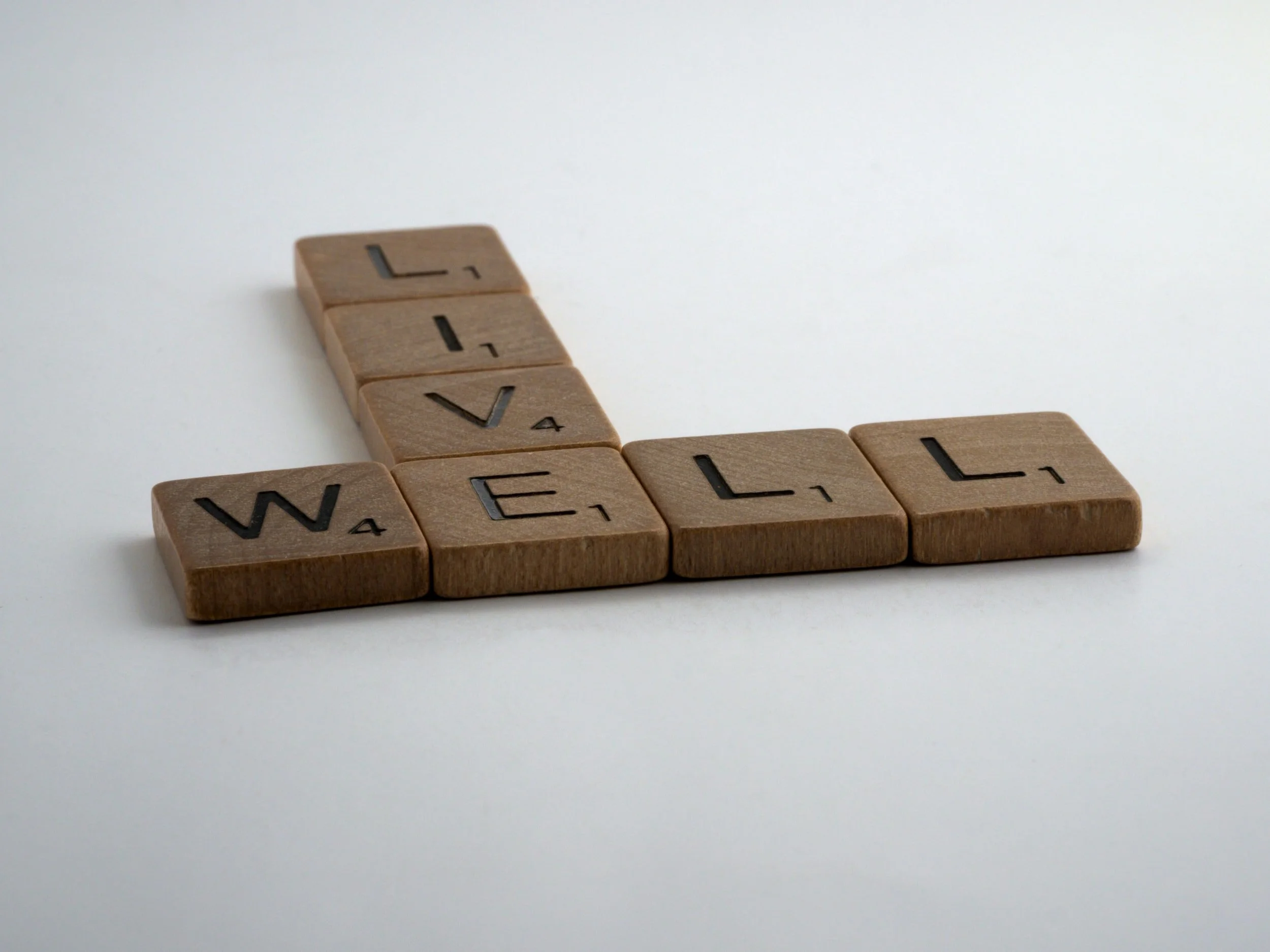
Live Well - Stay Healthy
Maintaining a healthy lifestyle is essential for overall well-being. It requires eating healthy, exercising regularly, and getting enough sleep. Eating healthy involves choosing nutrient-rich foods such as fruits, vegetables, lean proteins, and whole grains. Regular exercise can help to reduce stress, improve cardiovascular health, and maintain muscle strength. Getting enough sleep helps to restore the body’s energy levels and can help to reduce the risk of developing certain illnesses. Taking time out for yourself is also important to relax and unwind from daily stresses. Here are some other simple yet effective ways to maintain a healthy lifestyle.

Maintaining a healthy lifestyle is essential for overall well-being. It requires eating healthy, exercising regularly, and getting enough sleep. Eating healthy involves choosing nutrient-rich foods such as fruits, vegetables, lean proteins, and whole grains. Regular exercise can help to reduce stress, improve cardiovascular health, and maintain muscle strength. Getting enough sleep helps to restore the body’s energy levels and can help to reduce the risk of developing certain illnesses. Taking time out for yourself is also important to relax and unwind from daily stresses. Here are some other simple yet effective ways to maintain a healthy lifestyle.
Use a standing desk.
A standing desk is a great way to maintain a healthy lifestyle as it promotes increased daily physical activity. Sitting for extended periods has been linked to various health concerns, such as poor posture, weight gain, and an increased risk of heart disease. By standing while working, you can improve your posture, engage your core, and burn more calories than sitting.
Standing desks come in various types, including adjustable height desks that allow you to switch between sitting and standing, and fixed height desks specifically designed for standing. When using a standing desk, it's important to maintain proper posture, avoid leaning or slouching, and alternate between standing and sitting throughout the day. This will help to prevent discomfort or strain on your back, legs, and feet.
To make the most of your standing desk, consider investing in an anti-fatigue mat to reduce pressure on your feet, wearing comfortable shoes with good arch support, and taking short breaks to stretch and move your body throughout the day. Incorporating a standing desk into your routine can increase your physical activity levels, improve your posture, and reduce the adverse health effects of prolonged sitting.Take cold showers.
Taking cold showers is a great way to maintain a healthy lifestyle, as it provides a range of physical and mental health benefits. Cold showers can help to boost your immune system, improve circulation, reduce muscle soreness, and increase alertness and energy levels.
When you expose your body to cold water, your blood vessels constrict, which can help to reduce inflammation and promote healing. Cold showers have also been shown to boost the production of white blood cells, which play a crucial role in fighting off infections and disease.
Additionally, cold showers can improve mental health by reducing stress and anxiety. Cold water exposure triggers the release of endorphins, which can improve mood and promote feelings of well-being.
To get started with cold showers, you can gradually decrease the temperature of your shower over time, starting with lukewarm water and gradually lowering the temperature until you are comfortable with cold water. It's important to listen to your body and not force yourself to stay in the cold water for longer than you feel comfortable.Use a rebounder for exercise.
Using a rebounder, also known as a mini-trampoline, is a great way to maintain a healthy lifestyle, as it provides a low-impact, full-body workout that can be done in the comfort of your own home. Rebounding can help improve cardiovascular health, muscle tone, and overall fitness. Rebounding works by using the mini-trampoline's springy surface to provide a gentle low-impact workout on the joints. This can make it a great exercise option for people recovering from injuries or with conditions that limit their ability to do high-impact exercise.
The bouncing motion of rebounding helps engage multiple muscle groups, including the legs, core, and arms, while providing a cardiovascular workout. Rebounding can also help to improve balance and coordination, which can be especially beneficial for older adults.
To get started with rebounding, you'll need a mini-trampoline that is designed for exercise. You can find rebounders in various sizes and styles, with some featuring adjustable resistance bands and other features. It's important to start slowly and gradually increase the intensity and duration of your rebounding sessions over time.
As with any new exercise program, it's important to consult with a healthcare professional before starting to rebound, especially if you have any medical conditions or concerns. With regular use, rebounding can be a fun and effective way to maintain a healthy lifestyle and improve your overall fitness.Incorporate acupressure into your routine.
Incorporating acupressure into your routine is a great way to maintain a healthy lifestyle as it can help to alleviate pain and tension, reduce stress, and promote relaxation. Acupressure is a technique that involves applying pressure to specific points on the body to stimulate healing and improve overall well-being.
Acupressure points are located on energy pathways, known as meridians, that run throughout the body. By applying pressure to these points, you can help balance the energy flow and promote healing. Acupressure can be done using your fingers, hands, or specialized tools, such as acupressure mats or balls.
There are a variety of acupressure techniques that can be used to address different health concerns. For example, acupressure can be used to alleviate headaches, neck and back pain, menstrual cramps, and digestive issues. It can also be used to reduce stress and anxiety, promote relaxation, and improve sleep quality.
To incorporate acupressure into your routine, you can start by learning about the different acupressure points and techniques that can be used to address your specific health concerns. You can then use acupressure mats or balls, or use your fingers to apply pressure to these points.
It's important to start slowly and gradually increasing your acupressure sessions' duration and intensity. It's also important to listen to your body and not apply too much pressure or force to the acupressure points. As with any new health regimen, it's important to consult with a healthcare professional before using acupressure, especially if you have any medical conditions or concerns.Drinking herbal tea is a great way to maintain a healthy lifestyle as it provides a range of health benefits.
Herbal teas are made from various herbs and plant materials, such as chamomile, ginger, peppermint, and green tea, each with unique health properties.
Herbal teas can be a great source of antioxidants, which can help to protect the body against free radical damage and reduce the risk of chronic diseases, such as heart disease and cancer. They can also help to improve digestion, reduce inflammation, and promote relaxation and stress relief.
Some of the specific health benefits of drinking herbal tea include:Chamomile tea can help to promote relaxation and improve sleep quality
Ginger tea can help to reduce nausea and improve digestion
Peppermint tea can help to alleviate digestive issues and reduce stress
Green tea can help to boost metabolism and promote weight loss
Echinacea tea can help to support the immune system and reduce the duration and severity of colds and flu
To incorporate herbal tea into your routine, you can choose from a variety of herbal tea blends, such as single herbs or combinations, and drink them hot or cold.
It's important to choose high-quality tea that is free from additives and chemicals.
Practice hydrotherapy.
Hydrotherapy, which is the use of water for therapeutic purposes, is a great way to maintain a healthy lifestyle. Hydrotherapy can help to promote relaxation, reduce muscle tension, improve circulation, and boost the immune system. There are a variety of different hydrotherapy techniques that you can try, including:
Hot and cold showers: Alternating between hot and cold water can help boost circulation, reduce inflammation, and improve immune function.
Warm water immersion: Soaking in a warm bath can help to reduce muscle tension and promote relaxation.
Cold water immersion: Immersing yourself in cold water, such as in a cold shower or a cold bath, can help to reduce inflammation and boost the immune system.
Contrast water therapy: Alternating between hot and cold water immersion can help to improve circulation and reduce muscle soreness.
Steam rooms and saunas: Using a steam room or sauna can help to promote relaxation and detoxification.
Aquatic exercise: Swimming, water aerobics, and other aquatic exercises can help to improve cardiovascular health, reduce joint pain, and increase muscle strength.
When practicing hydrotherapy, it's important to start slowly and gradually increase the intensity and duration of your sessions over time. It's also important to listen to your body and not push yourself too hard. Staying hydrated is also important, especially when using hot water therapy.
As with any new health regimen, it's important to consult with a healthcare professional before using hydrotherapy, especially if you have any medical conditions or concerns. Some hydrotherapy techniques may not be suitable for everyone, such as people with high blood pressure or heart conditions.Try color therapy.
Color therapy, also known as chromotherapy, is a form of alternative medicine that uses colors to promote healing and balance in the body. Color therapy is based on the idea that different colors have different frequencies and vibrations, and that these frequencies and vibrations can profoundly affect our physical, emotional, and spiritual well-being.
There are several ways to practice color therapy, including:Wearing colored clothing: Wearing clothing in different colors can help to influence your mood and emotions. For example, wearing blue can help to promote calmness and relaxation, while wearing red can help to promote energy and confidence.
Using colored lights: Using colored lights in your home or workplace can help to promote balance and harmony. For example, using green light can help to promote balance and harmony, while using orange light can help to promote creativity and inspiration.
Using color visualization: Visualizing colors in your mind can help to promote healing and balance. For example, visualizing blue light around your body can help to promote relaxation and reduce stress.
Color bathing: Color bathing involves immersing yourself in a room illuminated with a specific color. This can help to promote relaxation, reduce stress, and promote healing.
Color meditation: Color meditation focuses on a specific color during meditation. This can help promote relaxation and balance and can also promote particular healing properties associated with different colors.
Try infrared sauna therapy.
Infrared sauna therapy is a type of sauna therapy that uses infrared light to heat the body directly. This is different from traditional saunas, which use heat to warm the air around the body. Infrared saunas are becoming increasingly popular as a way to improve health and well-being.
There are several potential health benefits associated with infrared sauna therapy, including:Improved circulation: Infrared sauna therapy can help increase blood flow and circulation, which can help reduce inflammation and promote healing.
Reduced muscle soreness: Infrared sauna therapy can help to reduce muscle soreness and improve recovery after exercise.
Detoxification: Infrared sauna therapy can help to stimulate the body's natural detoxification process, which can help to eliminate toxins and improve overall health.
Stress relief: Infrared sauna therapy can help promote relaxation and reduce stress, positively impacting overall health and well-being.
Improved skin health: Infrared sauna therapy can help improve skin health by increasing circulation and promoting collagen production.
To practice infrared sauna therapy, you can use an infrared sauna at a gym, spa, or home. It's important to start slowly and gradually increase the temperature and duration of your sessions over time. It's also important to stay hydrated and to listen to your body. If you have any medical conditions or concerns, it's important to consult with a healthcare professional before using infrared sauna therapy.
Grounding or earthing mats are designed to help you connect with the earth's natural electromagnetic field.
These mats are typically made of conductive materials, such as copper, and can be placed on the floor or on a desk. When you make direct contact with the mat, you may be able to experience several potential health benefits, including:
Reduced inflammation: Grounding or earthing mats can help to reduce inflammation throughout the body, which can help to alleviate pain and promote healing.
Improved sleep: Using a grounding or earthing mat can help to improve sleep quality by reducing stress and promoting relaxation.
Reduced stress: Grounding or earthing mats can help to reduce stress by promoting a sense of calm and well-being.
Improved circulation: Grounding or earthing mats can help to improve circulation by promoting blood flow and reducing blood viscosity.
Boosted immune function: Grounding or earthing mats may help to boost immune function by reducing inflammation and promoting healing.
Transcendental Meditation (TM) is a type of meditation involving the use of a mantra or sound repeated silently in mind.
TM is a technique that is practiced for 15-20 minutes twice a day, to achieve a state of deep relaxation and mental clarity.
There are several potential health benefits associated with TM, including:Reduced stress: TM has been shown to reduce stress and anxiety, and may help to improve overall mental health and well-being.
Improved cardiovascular health: TM may help reduce blood pressure and cardiovascular health, which can help reduce the risk of heart disease.
Improved brain function: TM may help to improve brain function and cognitive performance, including memory, attention, and focus.
Reduced symptoms of depression: TM may help to reduce symptoms of depression and improve overall mood.
Reduced inflammation: TM has been shown to reduce inflammation throughout the body, which can help to reduce the risk of chronic disease.
To practice TM, you'll need to learn the technique from a qualified TM teacher, who will guide you through the process and provide ongoing support. TM is typically practiced for 15-20 minutes twice a day, and can be done sitting comfortably with your eyes closed.
Use an air purifier to improve air quality.
Using an air purifier is a great way to improve the air quality in your home or office. Air purifiers filter out particles and pollutants from the air, such as dust, pet dander, pollen, and smoke.
There are several potential health benefits associated with using an air purifier, including:Improved respiratory health: Air purifiers can help to reduce the number of pollutants in the air, which can help to improve respiratory health and reduce the risk of asthma, allergies, and other respiratory conditions.
Improved sleep: Air purifiers can help to reduce the amount of noise and pollutants in the air, which can help to improve sleep quality.
Reduced odors: Air purifiers can help to reduce odors from cooking, pets, and other sources, which can help to improve indoor air quality and overall comfort.
Reduced risk of illness: Air purifiers can help to reduce the amount of viruses and bacteria in the air, which can help to reduce the risk of illness and promote overall health.
Improved cognitive function: Air purifiers can help to reduce the amount of pollutants in the air, which can help to improve cognitive function and reduce the risk of cognitive decline.
Use a Himalayan salt lamp for its health benefits.
Himalayan salt lamps are a type of decorative lamp made from a chunk of Himalayan salt crystal that has been hollowed out to make room for a light bulb or candle. These lamps are often used for their warm, soothing glow but may also have potential health benefits.
Here are some of the potential health benefits of using a Himalayan salt lamp:Improved air quality: Himalayan salt lamps may help to purify the air by attracting moisture and pollutants from the surrounding environment. When the lamp is heated, it releases negative ions that can help neutralize air pollutants and allergens.
Reduced stress and anxiety: A Himalayan salt lamp's warm, soothing glow can create a calming atmosphere that can help reduce stress and anxiety.
Improved sleep: The soft light emitted by Himalayan salt lamps can help to create a relaxing environment that can improve sleep quality and promote restful sleep.
Reduced symptoms of respiratory conditions: Some people believe that Himalayan salt lamps can help to reduce symptoms of respiratory conditions such as asthma and allergies, by improving air quality and reducing irritants in the air.
Increased energy levels: The negative ions released by Himalayan salt lamps may help increase energy levels and promote well-being.
To use a Himalayan salt lamp, plug it in or light the candle, and allow it to warm up for a few minutes. It's important to choose a high-quality lamp made from real Himalayan salt, and to place it in a well-ventilated area.
Qi Gong is a gentle exercise that combines slow, flowing movements with deep breathing and relaxation techniques. It often improves physical health, mental well-being, and overall vitality.
Here are some potential benefits of practicing Qi Gong:Improved balance and flexibility: The slow, flowing movements of Qi Gong can help to improve balance and flexibility, and reduce the risk of falls and injuries.
Reduced stress and anxiety: The deep breathing and relaxation techniques used in Qi Gong can help to reduce stress and anxiety, and promote feelings of calm and well-being.
Improved cardiovascular health: Some studies suggest that Qi Gong may help to reduce blood pressure and improve cardiovascular health.
Reduced inflammation: Some studies suggest that Qi Gong may help reduce inflammation in the body, which is associated with various health conditions.
Improved immune function: Some studies suggest that Qi Gong may help to improve immune function and reduce the risk of illness.
Craniosacral therapy is a type of hands-on therapy used to release tension and improve the functioning of the central nervous system.
It involves gentle touch and manipulation of the skull and spine's bones, tissues, and fluids.
Here are some potential benefits of craniosacral therapy:Reduced stress and anxiety: Craniosacral therapy can help release tension and promote relaxation, reducing stress and anxiety.
Improved sleep: Craniosacral therapy can help to promote relaxation and improve sleep quality.
Reduced pain and discomfort: Craniosacral therapy can help to release tension and improve the functioning of the central nervous system, which can reduce pain and discomfort.
Improved immune function: Some studies suggest that craniosacral therapy may help to improve immune function and reduce the risk of illness.
Improved mental clarity: Craniosacral therapy can help to promote relaxation and improve mental clarity and focus.
It's important to consult with a licensed and trained practitioner before trying Qi Gong or craniosacral therapy, and to discuss any medical conditions or concerns you may have.
Emotional Freedom Technique (EFT), also known as tapping, is a type of mind-body therapy used to reduce stress, anxiety, and other negative emotions.
It involves tapping on specific points in the body while focusing on a negative emotion or thought to release it and promote positive feelings.
Here are some potential benefits of practicing EFT:Reduced stress and anxiety: EFT can help to reduce stress and anxiety by promoting relaxation and releasing negative emotions.
Improved mood: EFT can help to improve mood and promote positive emotions.
Reduced symptoms of depression: EFT may help to reduce symptoms of depression by releasing negative emotions and promoting positive feelings.
Improved self-esteem: EFT can help improve self-esteem and promote self-worth.
Improved physical health: EFT may help to improve physical health by reducing stress and promoting relaxation.
EFT is a simple and easy-to-learn technique that can be practiced on your own, or with the guidance of a trained practitioner. It involves tapping on specific points on the body while focusing on a negative emotion or thought, and repeating positive affirmations to promote positive feelings.
Use a foam roller for myofascial release. Using a foam roller for myofascial release is a popular technique for relieving muscle tension, reducing pain, and improving flexibility.
Myofascial release involves applying gentle pressure to the connective tissue (fascia) that surrounds and supports the muscles in the body.
Here are some potential benefits of using a foam roller for myofascial release:Reduced muscle tension: Foam rolling can help to release muscle tension and reduce muscle soreness.
Improved range of motion: Foam rolling can help to improve flexibility and range of motion by loosening up the connective tissue around the muscles.
Reduced risk of injury: Foam rolling can help to reduce the risk of injury by improving flexibility and range of motion, and by releasing muscle tension.
Improved circulation: Foam rolling can help to improve circulation by promoting blood flow to the muscles.
Improved recovery: Foam rolling can help to improve recovery time after exercise by reducing muscle soreness and promoting relaxation.
When using a foam roller for myofascial release, it's important to start slowly and apply gentle pressure. You can gradually increase the intensity and duration of the foam rolling as your body becomes more accustomed to the technique.
Try cryotherapy.
Cryotherapy is a technique that involves exposing the body to extreme cold temperatures for a short period of time. It's often used as a way to promote muscle recovery, reduce inflammation, and improve overall health and well-being.
Here are some potential benefits of cryotherapy:Reduced inflammation: Cryotherapy can help reduce inflammation in the body, which can benefit conditions like arthritis and other inflammatory disorders.
Improved muscle recovery: Cryotherapy can help to speed up muscle recovery after exercise by reducing muscle soreness and promoting circulation.
Boosted metabolism: Cryotherapy can help to increase metabolism by promoting the production of brown fat, which can help to burn calories and improve weight management.
Improved sleep: Cryotherapy can help to improve sleep quality by promoting relaxation and reducing stress.
Reduced pain: Cryotherapy can help to reduce pain by numbing the affected area and promoting the release of endorphins, which are natural painkillers.
Cryotherapy can be done in various ways, including whole-body, localized, and ice baths. It's important to consult with a medical professional before trying cryotherapy, especially if you have any medical conditions or concerns. It's also important to follow the proper safety precautions when using cryotherapy, such as wearing protective clothing and limiting exposure to cold temperatures.
Use a PEMF (pulsed electromagnetic field) device for health benefits.
Pulsed Electromagnetic Field (PEMF) therapy is a type of non-invasive treatment that uses low-frequency electromagnetic waves to stimulate healing in the body. PEMF therapy can treat various health conditions and has been shown to promote healing and reduce inflammation.
Here are some potential benefits of using a PEMF device:Reduced inflammation: PEMF therapy can help reduce inflammation in the body, which can benefit conditions like arthritis and other inflammatory disorders.
Improved circulation: PEMF therapy can help to improve circulation by promoting blood flow to the affected area, which can help to reduce pain and promote healing.
Reduced pain: PEMF therapy can help reduce pain by promoting the release of endorphins, natural painkillers.
Improved bone health: PEMF therapy can help to improve bone health by promoting bone density and reducing the risk of osteoporosis.
Improved immune function: PEMF therapy can help to improve immune function by stimulating the production of white blood cells and promoting the body's natural healing processes.
PEMF devices can be used at home or in a clinical setting, and various devices are available on the market. It's important to consult with a medical professional before trying PEMF therapy, especially if you have any medical conditions or concerns. It's also important to follow the instructions provided by the manufacturer when using a PEMF device, and to be aware of any potential side effects or risks.
Take up Kundalini yoga. Kundalini yoga is a type of yoga that focuses on the energy centers of the body, known as chakras.
It aims to awaken the dormant energy at the base of the spine, known as Kundalini. Kundalini yoga combines physical postures, breathwork, meditation, and chanting to promote overall health and well-being.
Here are some potential benefits of practicing Kundalini yoga:Reduced stress and anxiety: Kundalini yoga can help to reduce stress and anxiety by promoting relaxation and calming the nervous system.
Improved physical health: Kundalini yoga can help to improve physical health by promoting flexibility, strength, and balance.
Increased energy and vitality: Kundalini yoga can help to increase energy and vitality by promoting the flow of kundalini energy throughout the body.
Improved mental clarity and focus: Kundalini yoga can help to improve mental clarity and focus by promoting mindfulness and reducing distractions.
Increased spiritual awareness: Kundalini yoga can help to increase spiritual awareness by promoting a deeper connection with oneself and the universe.
Kundalini yoga can be practiced by individuals of all levels and abilities, and there are a variety of classes and resources available for those interested in trying it.

Incorporate aromatherapy into your routine.
Aromatherapy is a holistic practice that uses essential oils to promote physical, mental, and emotional well-being. Essential oils are highly concentrated plant extracts known for their therapeutic properties, and they can be used in various ways to improve health and well-being.
Here are some ways to incorporate aromatherapy into your routine:Diffuse essential oils: Using a diffuser is one of the most popular ways to incorporate aromatherapy into your routine. Add a few drops of your favorite essential oil to the water in your diffuser and let it diffuse into the air.
Use essential oils in the bath: Adding a few drops can be a relaxing and rejuvenating experience. Lavender, chamomile, and ylang-ylang are popular choices for a relaxing bath.
Use essential oils in a massage: Mixing essential oils with a carrier oil, such as coconut or jojoba oil, can create a relaxing massage oil that can be used to promote relaxation and relieve tension.
Use essential oils in skincare: Essential oils can be used in a variety of skincare products, such as facial serums, lotions, and body scrubs. Tea tree oil is a popular choice for treating acne, while rose oil is known for its hydrating properties.
Use essential oils for aromatherapy inhalation: Simply inhaling essential oils directly from the bottle or using an inhaler can be a quick and easy way to experience their therapeutic benefits.
It's important to note that essential oils are highly concentrated and should be used cautiously. It's important to dilute essential oils properly and to avoid using them on undiluted skin.
Use a weighted blanket for stress relief.
Using a weighted blanket is a popular and effective way to relieve stress and promote relaxation. Weighted blankets are blankets filled with materials, such as plastic pellets or glass beads, that give them extra weight. The weight of the blanket provides a deep pressure touch that can help to calm the nervous system and promote a sense of relaxation and well-being.
Here are some benefits of using a weighted blanket for stress relief:Reduced anxiety: The deep-pressure touch provided by a weighted blanket can help calm the nervous system and reduce anxiety.
Improved sleep: Using a weighted blanket can help to improve sleep quality by promoting relaxation and reducing feelings of restlessness.
Reduced stress: A weighted blanket's calming effects can help reduce stress levels and promote well-being.
Increased comfort: The added weight of a weighted blanket can provide a comforting and secure feeling, promoting relaxation and reducing stress.
Improved mood: The relaxation and comfort provided by a weighted blanket can help to improve mood and reduce symptoms of depression.
Choosing a weighted blanket appropriate for your body weight is important, as using a too-heavy blanket can cause discomfort and potentially lead to injury. Additionally, it's important to follow the manufacturer's instructions for the care and maintenance of the blanket to ensure its longevity and effectiveness.
Maintaining a healthy lifestyle is an ongoing process that involves making positive choices for your physical and mental well-being. By incorporating a variety of healthy habits into your daily routine, you can improve your overall health and quality of life. Some of the key habits to consider include regular exercise, a balanced diet, quality sleep, stress management, social connections, and engaging in activities that bring you joy and fulfillment. In addition to these common habits, many unique and lesser-known practices can offer additional health benefits. By exploring various health-promoting strategies, you can find the ones that work best for you and create a customized plan that supports your optimal health and well-being.

Reclaim Your Future: Take Control of Your Life
In today's world, it can be challenging to maintain a sense of life control. With the hustle and bustle of everyday life, it can be easy to feel overwhelmed and out of control. However, there are some simple steps you can take to help you stay in control of your life and keep your stress levels at bay. From setting achievable goals to embracing challenges and uncertainty, these strategies will help you maintain life control and ensure you don't get overwhelmed by the surrounding chaos.

In today's world, it can be challenging to maintain a sense of life control. With the hustle and bustle of everyday life, it can be easy to feel overwhelmed and out of control. However, there are some simple steps you can take to help you stay in control of your life and keep your stress levels at bay. From setting achievable goals to embracing challenges and uncertainty, these strategies will help you maintain life control and ensure you don't get overwhelmed by the surrounding chaos.
Taking ownership of your decisions means accepting responsibility for the choices you make and the consequences that come with them. Here are some reasons why taking ownership of your choices is essential to maintaining control of your life:
Empowerment: When you take ownership of your decisions, you control your life. This gives you a sense of empowerment and can help you feel more confident in yourself and your abilities.
Growth: Owning your decisions allows you to learn from your mistakes and grow. Instead of blaming others or external circumstances, you can reflect on what you could have done differently and use that knowledge to make better decisions in the future.
Accountability: When you take ownership of your decisions, you are accountable for your actions. This helps you build trust and credibility with others and can lead to stronger relationships.
Focus: By taking ownership of your decisions, you are less likely to get distracted by external factors outside your control. Instead, you can focus on what you can do to make the best possible decision in the present moment.
Remember, taking ownership of your decisions can be challenging, especially when things are unplanned. However, it's important to remember that taking responsibility for your choices is a key component of personal growth and development. By owning your decisions, you can learn from your experiences and take steps towards a more fulfilling and successful life.
Adopting a growth mindset involves believing that your abilities and intelligence can be developed through dedication and hard work. Here are some strategies:
Embrace challenges: Rather than running away from challenges or obstacles, embrace them as ways to learn and grow. Recognize that failure is a natural part of learning and can help you improve.
Look at mistakes and accidents as lessons on growth: Rather than being discouraged, view them as opportunities to learn and improve. Focus on the process of learning and development rather than just the result.
Learn the art of perseverance: Adopting such a mindset requires effort and perseverance. Stay committed to your goals when faced with obstacles, and keep pushing forward.
Cultivate a love of learning: Develop a curiosity and thirst for knowledge. Read books, take courses, and seek new experiences that challenge and expand your understanding.
Believe in your ability to improve: Have faith in developing and enhancing your skills and abilities. Recognize that improvement takes time and effort, but that you can achieve your goals with dedication and hard work.
Surround yourself with positive influences: Seek mentors and role models with a growth mindset. Surround yourself with people who encourage and support your efforts to learn and grow.
Adopting such a mindset and attitude can transform how you approach challenges and achieve greater success in all areas of your life. Remember that adopting one is a process that takes time and effort to develop. Stay committed to your goals and believe in your ability to learn and grow, and you can achieve great things.
Designing a vision board is a creative and effective way to help you visualize your goals and dreams. It allows you to physically represent what you want to achieve, which can help keep you motivated and focused on your priorities. Regularly looking at your vision board can remind you of what's most important to you and take steps to achieve your goals.
A daily ritual is a routine or practice you do every day, usually simultaneously. It can help you feel more centered and in control by providing structure and stability to your day. Daily rituals can help you feel more in control of your life, such as meditation, journaling, exercise, or even a morning cup of tea.
Meditation, for example, can be a great daily ritual for helping you feel more in control of your thoughts and emotions. By taking just a few minutes each day to focus on your breath and be present at the moment, you can create a sense of calm and inner peace that can help you navigate the challenges of daily life with greater ease.
On the other hand, journaling can be a helpful daily ritual for reflecting on your thoughts and emotions and gaining greater clarity and insight into your life. By writing down your thoughts, feelings, and goals each day, you can gain greater control over your life by creating a clear and focused vision for the future.
Ultimately, the key to creating a daily ritual that helps you feel more in control is to choose something that resonates with you and that you can commit to doing each day consistently. With time and practice, you can develop a powerful daily ritual that helps you feel more centered, focused, and in control of your life.
Creating a personal mission statement can be a powerful tool for gaining clarity and focus. Here are some steps to create a personal mission statement:
Identify your values: Start by identifying the most important values to you. These include honesty, kindness, creativity, or adventure.
Define your purpose: Consider what you want to achieve next. What kind of impact do you want to have on the world? What kind of legacy do you want to leave behind? Write down your purpose statement.
Identify your goals: Based on your values and purpose, identify the goals you want to achieve. These include personal, professional, or academic goals. Write them down.
Draft your mission statement: Using your values, purpose, and goals, draft a mission statement that captures the essence of who you are and what you want to achieve. Your mission statement should be concise, clear, and inspiring.
Revise and refine: Once you have a draft of your mission statement, take some time to review and refine it. Share it with trusted friends or family members and ask for their feedback. Make any necessary revisions until your mission statement accurately reflects your values, purpose, and goals.
Your mission statement can serve as a guidepost for your life, providing clarity and direction as you make decisions and navigate life's challenges. It can help you feel more in control by providing a clear vision for the future and reminding you of what's truly important.
Keep a "done" list: Instead of just focusing on your to-do list, keep a "done" list to track your accomplishments throughout the day. This can help you feel more in control of your productivity and reduce stress and anxiety. It's easy to get caught up in the never-ending to-do list and need to remember to acknowledge the things we've accomplished throughout the day. By keeping a "done" list, you can celebrate your progress and feel more in control of your productivity.
To create a "done" list, keep a running log of the tasks you complete throughout the day. You can use a notebook, a digital tool, or even a simple sheet of paper. Review your "done" list and take a moment to acknowledge your progress and accomplishments. This can help you feel more motivated and energized for the next day.
Remember, the "done" list is not meant to replace the to-do list but rather to complement it. Both lists can be helpful tools for maintaining a sense of life control and increased productivity.
Set micro-goals: Instead of setting big, long-term goals, set small, achievable micro-goals. This can help you break down your larger goals into manageable steps and make progress more quickly. It can also help you feel more in control of your life by giving you a sense of accomplishment each time you reach a micro-goal.
To set micro-goals, identify the larger goal you want to achieve. Then, break it down into smaller steps or tasks you can complete in a shorter period. For example, if your larger goal is to write a book, your micro-goals include writing 500 words daily or completing a chapter each week.
Setting micro-goals allows you to focus on the process of achieving your goals rather than just the result. Each time you complete a micro-goal, you can celebrate your progress and feel a sense of accomplishment, which can help boost your motivation and confidence.
Remember to make your micro-goals specific, measurable, and achievable. This will help you stay focused and motivated, making it easier to track your progress.Look at obstacles from a different perspective.
Mind mapping: Mind mapping is a creative way to brainstorm and organize ideas. Start with a central idea and then use lines and branches to connect related ideas and information. This can help you to visualize the connections between different parts of a plan and identify potential areas for further development.
Role-playing: Role-playing can be a fun and effective way to develop a plan. Pretend to be someone else, such as a competitor or customer, and try to anticipate their needs and actions. This can help you identify potential obstacles and opportunities you might have yet to consider.
Gamestorming: Gamestorming is a collection of creative problem-solving techniques that use games to resolve issues.
Reverse engineering involves starting with the result and working backward to identify the steps needed to achieve it. This can be helpful when you have a clear goal in mind but need help getting there.
Anticipate obstacles: Anticipate potential obstacles and create contingency plans. This helps you prepare for unexpected situations and ensures you can still achieve your goals, even if something unexpected happens. To anticipate obstacles and create contingency plans, consider the following steps:
Identify potential obstacles: Consider the obstacles preventing you from achieving your goals. This could include time constraints, limited resources, lack of knowledge or skills, or unexpected events.
Prioritize: Once you have identified potential obstacles, prioritize them based on their likelihood and potential impact on your goals.
Develop contingency plans: For each potential obstacle, develop a contingency plan that outlines how you will respond and adapt. This may involve developing alternative strategies, identifying additional resources, or reallocating tasks or responsibilities.
Test and refine: Regularly test your contingency plans to ensure they are effective and adjust them as needed. This may involve changing your plan, such as updating timelines or seeking additional resources.
By anticipating potential obstacles and developing contingency plans, you can be better prepared to handle unexpected situations and continue working towards your goals, even in the face of challenges.
Manage your finances: Managing your finances can help you feel more in control of your life. Make a budget and stick to it, save money, and pay off any debts. Here are some tips to help you manage your finances effectively:
Make a budget: It can help you see where your money is going and plan how you want to spend it. Make sure to include all of your expenses and prioritize your spending according to your goals and values.
Track your spending: Keeping track of your spending can help you stay on top of your budget and identify areas where you can cut back. You can use a spreadsheet or an app to track your expenses.
Save money: Saving money is an important part of financial management. Make sure to save for emergencies and future goals, such as retirement or a down payment on a home. You can set up automatic transfers to a savings account to make it easier to save.
Pay off debt: If you have debt, make a plan to pay it off as quickly as possible. Start by paying off high-interest debt first, such as credit card debt, and consider consolidating your debt to make it more manageable.
Live within your means: Living within your means is crucial to financial stability. Avoid overspending and taking on too much debt. Focus on your needs first, and then prioritize your wants based on your budget.
By following these tips and managing your finances effectively, you can feel more in control of your life and achieve your financial goals.
Final thoughts:
Achieving a sense of life control can be difficult, especially in today's fast-paced world. However, with the right strategies and tips, it is possible to maintain a sense of control over your life. By following these tips, you will gain clarity on your goals and objectives and better understand what it takes to achieve them. With these strategies, you can live more confidently and enjoy the journey toward success.

Beat Burnout and Emotional Exhaustion: Regain Your Strength and Balance

Emotional exhaustion is a common problem that many of us face in our everyday lives. It can be caused by stress, anxiety, or even the demands of modern life. Fortunately, there are steps we can take to help manage our emotional exhaustion and find balance in our lives. From taking time for self-care to creating healthy boundaries, here are some tips on overcoming emotional exhaustion and reclaiming energy.
Making self-care your principal focus is essential for maintaining good physical and mental health.
Here are some tips on how to get enough sleep, eat healthily, and exercise regularly:
Getting enough sleep: It's recommended that adults get seven-nine hours of sleep each night. To get better sleep, try to maintain a regular sleep schedule, eliminate caffeine and alcohol intake at least four hours prior to sleep, create a relaxing bedtime routine, and avoid using electronic devices before bed.
Eating healthy: Eating a balanced diet with plenty of fruits, vegetables, lean protein, and whole grains is important for maintaining good health. To eat healthier, plan meals in advance, and avoid skipping meals.
Exercising regularly: Regular exercise can help improve physical health and mental well-being. Aim to get at least 75 minutes of moderate-intensity exercise per week, including brisk walking, cycling, or swimming. Find an activity you enjoy and make it a daily routine.
Remember, self-care is not a one-time event, but a continuous practice that requires dedication and consistency. By prioritizing your health, you can feel better and have more energy to take on your daily tasks and enjoy your life.
Take breaks: Take regular breaks from work or other responsibilities to recharge and prevent burnout.
Taking regular breaks is essential for keeping your mind healthy and productive. It allows you to take a step back from the hustle and bustle of your daily lives and relax, recharge, and reset. With regular breaks, you can reduce stress, increase focus, and find the motivation to tackle any task. Breaks are an important part of a healthy lifestyle that can help us stay energized and productive throughout the day.
Identify stressors: Determine what causes stress and emotional exhaustion, and find ways to reduce or eliminate those stressors.
Stress and emotional exhaustion can be debilitating, but identifying what causes them can be the first step in finding ways to reduce or eliminate them. By taking the time to identify stressors, you can better understand how your environment affects your mental health and take steps to mitigate their effects. You can create more balanced lives and lead healthier, happier lives with a clear understanding of your stressors.
Connect with others: Build and maintain supportive relationships with friends, family, and colleagues.
Building and maintaining meaningful relationships with friends, family, and colleagues is essential to life. It’s a great way to stay connected with people, share experiences, and create lasting memories. Investing in these relationships allows you to open yourself up to new opportunities and better manage your stress levels. Connecting with others is critical to practicing self-care and fostering meaningful connections.
Engage in hobbies: Engage in hobbies or activities that you enjoy and that help you feel relaxed and rejuvenated.
Taking the time to engage in hobbies or activities that you find enjoyable is an important part of maintaining a healthy lifestyle. Not only does it help you relax and feel rejuvenated, but it also helps to boost your overall mental and physical health. Hobbies include playing an instrument, crafting, painting, or just spending time outdoors. Whatever activity you choose, make sure it brings you joy!
Avoid perfectionism.
Avoid setting unrealistic expectations for yourself or others, and accept that mistakes and imperfections are a natural part of life.
Perfectionism can be a significant obstacle in life, and it can be challenging to keep it in check. You often set unrealistic expectations for yourself or others and can become frustrated when things don’t turn out as planned. However, it is essential to remember that mistakes and imperfections are inevitable and that you must learn to accept them as part of life. Avoiding perfectionism can lead to more creativity, growth, and success.Practice assertiveness.
Communicate your needs and boundaries and stand up for yourself.
Assertiveness is essential for getting your needs met and maintaining healthy relationships. It involves speaking up for yourself, expressing your feelings and thoughts clearly and directly, setting boundaries, and advocating for yourself. Ultimately, practicing assertiveness is critical to developing the confidence to communicate effectively and achieve positive outcomes.Engage in therapy.
Engage in treatment or counseling to process and heal from emotional wounds, past traumas, or unresolved issues. Therapy is a powerful tool to help us heal from past traumas, emotional wounds, and unresolved issues. It provides you with the space and tools to process your thoughts and feelings in a safe, non-judgmental environment. Through therapy, you can gain insight into your thinking patterns and behavior to make changes that lead to healthier relationships with yourself and others.
Taking a technology break can significantly reduce stress and distraction, which can ultimately help build resilience after failure.
Social media and other digital devices can be a source of constant stimulation and information overload, making it difficult to process emotions and stay focused on your goals. By taking a break from these distractions, you can give your mind a chance to rest and recharge, which can help you feel more centered and focused. This might involve taking a day or two off from social media, turning off your phone for a few hours each day, or setting aside dedicated time for unplugged activities like reading, journaling, or spending time outdoors and finding a balance that works for you and allows you to stay connected to the people and activities that are important to you while also giving yourself space to disconnect and recharge.
Practice deep breathing: Practice deep breathing exercises to help reduce stress and calm your mind.
Deep breathing exercises can be a simple but effective way to reduce stress, calm your mind, and build resilience after failure. When you're feeling stressed or anxious, your breathing often becomes shallow and rapid, making it difficult to think clearly and cope with challenging situations. Deep breathing exercises can help slow down your breathing and activate the body's natural relaxation response.
Here's a simple deep breathing exercise you can try:
Find a quiet, comfortable place to sit or lie down.
Close your eyes and take a deep breath through your nose, counting to four as you inhale.
Hold your breath for a count of four.
Slowly exhale through your mouth for a count of four.
Pause for a count of four before taking your next breath.
Repeat this pattern for several minutes, focusing on your breath and allowing your body to relax.
You can practice this exercise as often as you like, whether you're feeling stressed or need a moment of calm. Over time, deep breathing exercises can help you build resilience by reducing stress and anxiety, improving focus and concentration, and increasing feelings of calm and well-being.
Spend time in nature.
Spend time in nature, such as hiking or walking in a park, to help reduce stress and boost mood. Research has shown that spending time in natural environments can help reduce cortisol, the hormone associated with stress, and improve mood and well-being. Here are a few ideas for incorporating more nature into your life:
Go for a hike: Hiking is a great way to get exercise, get fresh air, and connect with nature. Look for trails in your area that offer scenic views, varied terrain, and a chance to disconnect from technology.
Take a walk in a park: Even a short walk in a local park can help reduce stress and improve mood. Look for playgrounds with walking trails, benches, and other amenities that can help you relax and unwind.
Garden: Planting a garden or tending to houseplants can be a great way to connect with nature and relieve stress. Consider planting herbs, flowers, or vegetables you can enjoy throughout the season.
Practice outdoor yoga or meditation: Yoga and meditation can be even more relaxing and refreshing in nature. Please be sure to look for local classes or videos online that offer guided yoga or meditation practices in natural settings.
Engaging in self-reflection and introspection can be an important way to gain insight and understanding about yourself and your emotions, which can help build resilience after failure.
When we experience setbacks or challenges, it can be easy to get caught up in unfavorable self-talk or unhelpful thought patterns. By engaging in self-reflection, we can gain a more balanced and accurate perspective on our thoughts and emotions and develop greater self-awareness and self-compassion.
Here are a few ideas for engaging in self-reflection:Journaling: Writing down your thoughts and feelings can be a powerful way to gain insight and perspective. Try journaling regularly in the morning or evening, and reflect on your successes, challenges, and emotions.
Ask trusted friends, family members, or colleagues for feedback on your strengths and areas for improvement. This can help you gain a more objective perspective on your abilities and talents and identify areas where you may want to focus on self-improvement.
15. Take a hypnotherapy session.
Hypnotherapy is a form of therapy that uses guided relaxation, focused attention, and suggestion to help individuals achieve heightened awareness and focus. During a hypnotherapy session, a trained therapist guides you into deep relaxation, where you can be more open to suggestions that can help address emotional exhaustion and other mental health concerns.
Hypnotherapy can be an unusual way to overcome emotional exhaustion because it involves accessing the subconscious mind, which can hold deeper, unresolved emotions and experiences that may be contributing to emotional exhaustion. Hypnotherapy can help you release negative emotions and beliefs, increase self-awareness, and improve your coping skills.
Hypnotherapy can effectively treat various mental health concerns, including anxiety, depression, and post-traumatic stress disorder (PTSD). It has also been found to reduce stress, improve sleep, and enhance overall well-being.
It's essential to seek out a licensed and experienced hypnotherapist if you are interested in trying hypnotherapy to overcome emotional exhaustion. The therapist can work with you to tailor the session to your specific needs and help you achieve the best possible outcome.
16. Simplify your environment.
Clear out clutter from your home or workspace, and create a more calming and peaceful environment. This can help you feel more relaxed and focused.
Declutter: Take time to review your belongings and remove anything you no longer need or use.
This can create more physical space and reduce visual clutter.
Organize: Once you've decluttered, organize the remaining items in a way that makes sense.
Use storage containers, shelves, or drawers to keep things tidy and easy to find.
Create a calming atmosphere.
Consider adding plants, soothing lighting, and other elements promoting relaxation and calm. This can help create a peaceful and rejuvenating environment.
Minimize distractions.
Create a workspace or living space that is free from distractions such as noise, interruptions, or clutter. This can help you feel more focused and productive.
Keep it simple.
Avoid overdecorating or cluttering your space with unnecessary items. Keep the decor and furnishings simple and streamlined to create a clean and uncluttered environment.
By simplifying your environment, you can create a more peaceful and calming space that promotes relaxation and reduces stress.
This can positively impact your overall well-being and help prevent burnout and emotional exhaustion.
By engaging in self-reflection and introspection, you can develop greater self-awareness and self-compassion and gain insights that can help you build resilience and cope with setbacks or failures.
Final thoughts:
Emotional exhaustion can be a challenging and draining experience, but it is possible to overcome it. Managing your emotions and stress levels is crucial in dealing with emotional exhaustion. Taking time for yourself and engaging in activities that bring you joy can help you regain balance in your life. Additionally, developing healthy habits such as exercising regularly, getting enough sleep, eating nutritious meals, and finding ways to relax are all crucial steps in overcoming emotional exhaustion. With the right strategies and support from family and friends, you can learn how to manage your emotions better and find peace of mind again.

Discover your Zen: Stress-free living starts here
Stress can be a significant source of discomfort and anxiety in our daily lives and can affect our mental and physical health if not managed properly. While eliminating stress may not be possible, many strategies can help us reduce and manage stress daily. By adopting these strategies, we can create a more stress-free day, improving our overall well-being and quality of life daily. This response will explore some tips and techniques for having a stress-free day.

Stress can be a significant source of discomfort and anxiety in our daily lives and can affect our mental and physical health if not managed properly. While eliminating stress may not be possible, many strategies can help us reduce and manage stress daily. By adopting these strategies, we can create a more stress-free day, improving our overall well-being and quality of life daily. This response will explore some tips and techniques for having a stress-free day.
1. Wake up earlier: Waking up earlier can give you more time to prepare for the day and help you avoid feeling rushed or stressed.
Waking up earlier is becoming an increasingly popular way to gain control of your day and maximize productivity. By setting your alarm before the sun rises, you can take advantage of the quiet morning hours to focus on essential tasks or enjoy some time. With a proper plan and dedication, waking up earlier can help you stay organized throughout the day, reduce stress, and give you more time to prepare for whatever comes next.
2. Avoid checking your phone: Avoid checking your phone or email until after you've had some time to yourself in the morning.
This can help you feel calm and relaxed before the day begins. Checking your phone or email first thing in the morning can be a harmful habit, leading to feelings of stress and overwhelm. To protect your mental health, it is best to give yourself some time in the morning before checking your phone or email. This can help you start your day with a clear head and ready for whatever comes next.
3. Use a sunrise alarm clock.
A sunrise alarm clock gradually increases the light in your room, mimicking a natural sunrise. This can help you wake up feeling more refreshed and less stressed. A sunrise alarm clock is a great way to start your day. By gradually increasing the light in your room mimics the natural rising sun and helps you wake up feeling more refreshed and less stressed. It provides a gradual transition from sleep to wakefulness rather than jolting you out of bed with an abrupt alarm sound. With this device, you can enjoy better sleep quality and feel more alert and energized.
4. Listen to calming music.
Play some calming music while you prepare for the day. This can help you reduce stress and promote a sense of calm. Listening to calming music is an effective way to reduce stress and promote a sense of calm. Music can soothe the soul and help us reach a state of relaxation. It can help you focus on the task, making you more productive throughout the day. With so many genres and styles of music available, it's easy to find something that suits your needs and helps set the tone for a successful day ahead.
5. Gratitude journaling.
Spend a few minutes each morning writing down things you're grateful for. This can help you start the day positively and reduce stress.
Gratitude journaling is a simple yet powerful way to start your day on the right foot. Taking just a few minutes each morning to write down things you’re grateful for can help to reduce stress, shift your mindset and focus on the positive aspects of life. Gratitude journaling can also help increase optimism, improve relationships, and promote physical health.
6. Diffuse essential oils.
An essential oil diffuser in the morning can help create a calming environment and promote relaxation. Try scents like lavender, bergamot, or peppermint. Diffusing essential oils can be an effective way to create a calming and relaxing atmosphere in the morning. Essential oils like lavender, bergamot, and peppermint are particularly beneficial because they can help reduce stress, improve sleep quality, and promote well-being. Using a diffuser to spread these scents around your home or office can create an environment perfect for starting your day.
7. Do a brain dump.
Write down all the tasks and thoughts running through your head to help clear your mind and prioritize tasks for the day. This can help reduce feelings of stress and overwhelm. Brain dumping is a powerful technique to help organize your thoughts and prioritize tasks. By writing down all the tasks, ideas, and feelings running through your mind, you can clear out the mental clutter and have a fresh start to tackle the tasks at hand. Brain dumping can help reduce stress and overwhelm by clarifying what needs to be done and which tasks should be prioritized. It's an effective way to ensure progress without letting any task slip through the cracks.
8. Stretch or exercise.
Starting the day with light exercise or stretching can help improve circulation, increase energy levels, and reduce stress. Starting the day with some light stretching or exercise can have several benefits. Not only can it help improve circulation and energy levels, but it can also reduce stress and help you focus throughout the day. Exercise can boost your mood, helping you stay positive throughout the day. By taking just a few minutes each morning to stretch or exercise, you can reap these rewards and start your day feeling energized and ready to take on whatever comes your way.
8. Set intentions for the day.
Take a few minutes to think about what you want to accomplish and set intentions for the day. This can help you stay focused and motivated throughout the day. Setting intentions for the day can help you stay on track and reach your goals. Taking a few minutes each morning to think about what you want to accomplish can help you stay focused and motivated throughout the day. Setting realistic and achievable goals is essential, as this will help keep you motivated and on track. Additionally, setting intentions can give you a sense of purpose and direction, which can be beneficial when tackling complex tasks or projects.
9. Evaluate and adjust:
Regularly evaluate your daily routine to see what's working and what's not. Be willing to make adjustments to ensure that your routine meets your needs. Here are some tips to help you evaluate and adjust your routine:
Keep a journal: Track your daily activities and how they make you feel. This can help you identify patterns and areas for improvement.
Be honest with yourself: Ask yourself whether your routine is helping you achieve your goals and whether it's sustainable in the long term.
Make small adjustments: Instead of overhauling your entire routine, start by making small adjustments to your schedule. This can help you make sustainable changes over time.
Please take a look for feedback: Please ask for feedback from friends, family, or colleagues to get an outside perspective on your routine. This can help you identify blind spots and areas for improvement.
Be patient: Creating a healthy routine takes time and effort. Be patient with yourself and celebrate your progress, even if it's small.
Remember, your daily routine should be flexible and adaptable to changing needs and circumstances. Regularly evaluating and adjusting your routine can help ensure that it continues to meet your needs and enables you to achieve your goals.
Choose one thing to change: Rather than trying to change everything at once, choose one thing to focus on. This could be getting up 15 minutes earlier, taking a short walk during your lunch break, or setting aside time to meditate or stretch.
Give it time: Allow yourself time to adjust to the new routine. Forming a new habit can take a few weeks, so be patient and consistent.
Celebrate your progress: Recognize and celebrate the small wins along the way. This can help keep you motivated and committed to your new routine.
Re-evaluate and adjust as needed: Once you've successfully incorporated one small change into your routine, you can evaluate whether it's working for you and whether you want to make additional changes.
Remember, the goal of making small adjustments to your routine is to make sustainable changes over time. By making small changes and being patient and consistent, you can create a routine that supports your health and well-being.
10. Identify areas for improvement.
Start by identifying the areas of your routine that you want to change or improve. Here are some tips for identifying areas for improvement in your routine:
Assess your current routine: Start by taking a close look at your current routine. Identify areas that are causing stress or not serving your goals and needs.
Consider your goals: Consider your long-term goals and how your routine can support them. For example, if you want to exercise more, you may want to incorporate a morning workout into your routine.
Prioritize your health and well-being: Your routine should prioritize your physical, mental, and emotional health and well-being. Consider incorporating healthy habits like exercise, meditation, and healthy eating into your routine.
Consider your schedule: Take into account your work schedule, family obligations, and other commitments when setting your routine. Ensure you give yourself enough time to complete your tasks and take breaks as needed.
Remember, identifying areas for improvement is a crucial step to setting a daily routine that works for you. By taking the time to assess your current routine and consider your goals and priorities, you can create a routine that supports your health and well-being.
11. Consider your goals.

Consider your long-term goals and how your routine can support them. Here are some steps you can take to consider your goals and align your routine with them:
Identify your long-term goals: Take some time to think about your big-picture goals in life, such as career aspirations, health and wellness objectives, personal growth goals, and financial targets.
Break down your goals into smaller milestones: Once you've identified your long-term goals, break them down into smaller, more achievable milestones. This will help you see how your routine can support your progress toward your goals.
Identify the daily habits that will support your goals: Look at your daily routine and identify the habits that will help you achieve your milestones. For example, if your goal is to become a better writer, you may want to set aside time each day to write or read about writing.
Create a routine that supports your goals: Use the habits you've identified to create a daily routine that supports your long-term goals. This may involve adjusting your schedule, prioritizing certain activities, or eliminating habits that don't align with your goals.
Track your progress: Regularly track your progress towards your goals and adjust your routine as needed. Celebrate your achievements along the way to stay motivated and inspired.
12. By aligning your daily routine with your long-term goals, you can progress toward what's most important to you while also developing healthy habits that support your overall well-being.
Wind down before bed: Take some time and relax. This can help you sleep better and wake up refreshed for the next day. Create a calming bedtime routine: Develop a relaxing bedtime routine to help you wind down and signal to your body that it's time to sleep. This could include reading a book, taking a warm bath, or listening to calming music.
Create a comfortable sleep environment: Make sure your sleep environment is comfortable and conducive to sleep. This could involve adjusting the temperature, investing in a comfortable mattress and pillows, and creating a dark and quiet space.
Practice relaxation techniques: Incorporate relaxation techniques such as deep breathing, meditation, or progressive muscle relaxation into your bedtime routine to help reduce stress and promote relaxation.
Strive to stop drinking caffeine and alcohol before bed: Avoid consuming caffeine or alcohol before bed, as they can disrupt your sleep and leave you groggy and exhausted the next day.
Starting your day off the right way can be a challenge for many. Everyone has different preferences and routines that work best for them, so it is essential to experiment with various strategies to see what works best. From exercise to meditation, from mindful journaling to setting achievable goals, you can take numerous paths to ensure you start the day with energy and motivation.

Bringing Balance to the Busy Mom's Life
Busy working mothers often struggle to maintain a healthy work-life balance due to the demands of their job and family responsibilities. It can be challenging for them to juggle all the tasks they need to take care of while also taking time out for themselves. However, finding ways to make time for themselves to stay productive and happy is essential.

Busy working mothers often struggle to maintain a healthy work-life balance due to the demands of their job and family responsibilities. It can be challenging for them to juggle all the tasks they need to take care of while also taking time out for themselves. However, finding ways to make time for themselves to stay productive and happy is essential. As a busy working mother, here are some of my best tips:
Prioritize your to-do list to focus on the most critical tasks.
Everyone has a to-do list, but it can take time to prioritize what needs to be done first. You can focus on the most critical tasks with the right approach and ensure your time is used effectively. By taking the time to prioritize your home and work lists, you can save yourself time and energy in tackling the most significant tasks first.Create a daily routine with time for work, family, and self-care.
Creating a daily routine that includes time for work, family, and self-care is essential for achieving balance in life. By planning and being intentional with your time, you can ensure you take care of your mental and physical well-being while still accomplishing your goals. Planning a daily routine can help you stay productive, organized, and energized.Take breaks throughout the day to rest and recharge.
Regular breaks throughout the day are essential for physical and mental health. Breaks allow you to rest, recharge, and return with a clearer mind and fresher perspective. When you take a break from your work, you can reset your mind and body, allowing you to return with renewed energy and focus.Schedule regular exercise or physical activity in your day.
Regular physical activity is essential for maintaining your health and well-being. It can help reduce stress, improve mental clarity, and reduce the risk of developing chronic diseases. Exercise can also be fun, so find activities you enjoy and make them part of your daily routine.Learn to say "no" to requests that don't align with your priorities.
Learning to say "no" can be difficult, but it is an essential life skill that can help you focus on the things that matter most. Saying "no" lets you prioritize and focus on the most important things, ensuring your time and energy are spent meaningfully. It also helps protect your mental health by avoiding taking on too much or getting overwhelmed with tasks.Delegate tasks at home and work for others when possible.
Delegating tasks at home and work can be a great way to reduce your workload and improve productivity. Here are some tips for delegating tasks effectively:Identify tasks that can be delegated: Make a list of all the tasks you do regularly and identify which ones can be trusted by others. Look for time-consuming, repetitive tasks that can be done by someone else with the appropriate skills.
Choose the right person: When delegating tasks, choose the right person for the job. Consider their skills, experience, and workload. Ensure they have the necessary resources and support to complete the task.
Be clear about expectations: Communicate the task, scope, and outcome. Set a deadline and agree on the level of authority the person has to complete the job.
Provide support: Ensure that the person has the necessary resources to complete the task, such as tools, equipment, and training. Trust the person to complete the task independently. Offer guidance and support when needed, but avoid micromanaging.
Monitor progress: Monitor progress regularly, but avoid micro-managing. Schedule check-ins to ensure the task is on track and offer feedback if necessary.
Recognize and reward success: Once the task is completed, recognize and reward the person for their efforts. This will encourage them to take on more responsibilities and continue to perform at a high level.
Remember, delegating tasks is not only about reducing your workload but also about developing the skills and abilities of others. You can create a more productive and efficient environment at home and work by delegating effectively.
Set realistic expectations for yourself and your workload.
Establishing realistic expectations for yourself and your workload is vital for success. Set achievable goals and manage your time wisely to stay on top of tasks and avoid feeling overwhelmed. It is crucial to remember that setting ambitious goals can be motivating, but limiting yourself can help you make the most out of your day-to-day tasks.Keep a gratitude journal to focus on the positives in your life.
Gratitude is one of the most potent forces in life. Keeping a gratitude journal can help you focus on the positive aspects of your life and appreciate all that you have. It's a great way to remind yourself that even in difficult times, there are still things for which to be thankful.Use technology to help manage your schedule and tasks.
Technology is an excellent tool for staying organized and managing your day-to-day tasks. It can help you keep track of appointments, deadlines, and other significant events in your life. With task management apps, calendar software, and other tools, you can easily stay on top of your schedule and make sure that nothing falls through the cracks.Make time for hobbies or activities that bring you joy.
We must make time for ourselves and pursue activities that bring joy. Take part in hobbies and activities that can help us relax, take a break from the stresses of life, and increase productivity.Connect with other working mothers for support and advice.
Working mothers often feel overwhelmed by the demands of their jobs and family. Finding support and advice from other working mothers who understand their struggles can make all the difference. Connecting with other women with similar experiences can provide comfort, strength, and motivation to succeed in both worlds. Whether through online forums, local meet-ups, or social media groups, connecting with other working mothers is a great way to build relationships and exchange helpful tips.Take advantage of flexible work options, if available.
As technology advances, employers recognize the need to provide their employees with greater flexibility regarding their work-life balance. Whether telecommuting, flex hours, or remote work taking advantage of these options can offer numerous benefits for employers and employees.Although this tip is similar to learning to say “no,” setting boundaries at work will help you avoid burnout.
Maintaining a healthy work-life balance in this digital age can be difficult. Setting boundaries with work is essential for avoiding burnout. By creating realistic expectations and taking time for yourself, you can ensure that you can stay productive and energized while still taking care of yourself.Schedule regular date nights with your partner.
Date nights are essential for keeping the spark alive in any relationship. Scheduling regular date nights with your partner allows you to carve out time to focus on each other and connect meaningfully. Whether it’s a romantic dinner, a movie night or something more adventurous, planning and enjoying special moments together will strengthen your bond and bring you closer.Create a peaceful and calming environment in your home.
Creating a peaceful and calming environment in your home is essential to living a stress-free life. By incorporating elements of nature, such as plants, flowers, stones, or water features, and using calming colors like blues and greens, you can create an atmosphere that will help you relax and unwind. Additionally, adding aromatherapy elements to your home through essential oils or candles can help create a more tranquil atmosphere.Make time for family meals and conversations.
Family meals and conversations are integral to a happy and healthy home life. They provide an opportunity for bonding and allow family members to catch up on the day’s events and stay connected. Despite your busy life, you should make time for family meals and conversations to maintain strong relationships with your loved ones.Practice mindfulness and meditation to reduce stress.
As we’ve discussed in previous articles, mindfulness, and meditation can help you gain peace and clarity in your life. You can learn to become more aware of your thoughts, feelings, and emotions through these practices. You can also manage stress better and cultivate inner calmness. Additionally, mindfulness and meditation can help reduce stress and improve overall well-being.Take regular vacations or breaks to recharge.
Taking regular vacations or breaks is essential for maintaining physical and mental well-being. Holidays allow you to escape from the stress and routine of everyday life, allowing you to recharge your energy levels and gain a renewed perspective on life. Taking regular vacations or breaks will help you feel more productive, creative, and relaxed in the long run.Simplify your life by decluttering your home and workspace.
Clutter can be overwhelming and distracting in your daily life. Taking the time to declutter your home and workspace can help simplify your life, improve productivity, and help reduce stress levels. By organizing your belongings, you can create a more efficient living and working environment that is easier to maintain. Decluttering can also help you focus on what’s important and let go of items that no longer serve a purpose.Keep a calendar to stay organized and avoid double booking.
Staying organized is an integral part of your personal and professional success. One of the best tools to help you stay organized is a calendar. Keeping a calendar lets you plan easily, avoid double-booking, and stay on top of tasks. With a calendar, you can quickly create reminders for important deadlines or appointments and keep track of your daily commitments.Use time-saving tools like meal planning and online grocery delivery.
Time-saving tools like meal planning and online grocery delivery can be a great way to save time and energy when shopping for food. Meal planning allows you to plan meals, so you don't have to worry about what you will make each night. Online grocery delivery services provide convenience as they deliver your groceries right to your door, saving you the time and effort of shopping in person. These tools can free up your schedule to focus on what truly matters.Prioritize sleep and establish a consistent bedtime routine.
A good night's sleep is essential for physical and mental well-being. Establishing a consistent bedtime routine and prioritizing sleep can significantly impact your energy levels, mood, and productivity. Creating a nightly ritual that works for you can help you relax and wind down, setting yourself up for restorative sleep each night.Schedule time for self-care activities like massages or spa treatments.
Taking time for yourself can profoundly impact your physical and mental well-being. Scheduling time for self-care is essential to living a balanced life, so take some time out each week to treat yourself! Self-care activities like massage or spa treatments can help reduce stress, improve sleep, and boost overall energy levels.Set realistic expectations for your children and partner.
Setting realistic expectations for our children and partners is vital for their growth and development. It helps foster an environment of respect, understanding, and communication, which can lead to healthier relationships.Hire a babysitter or nanny to help with childcare if needed.
Hiring a babysitter or nanny can be a great way to give yourself the help you need with childcare. These experienced professionals can provide quality care for your kids, giving you peace of mind by knowing that your children are in safe and capable hands. With their help, parents can rest easy knowing their children are in good hands while they take care of other matters.Make time for friends and social activities.
The importance of maintaining relationships with friends and family cannot be understated. Taking the time to nurture your social connections is integral to leading a balanced, healthy lifestyle. From sharing meals to engaging in meaningful conversations, it pays to prioritize your social life. Set aside time in your day-to-day schedule to meet up with friends and enjoy activities that bring you joy. Your mental health will thank you for it!Use your commute time to read or listen to podcasts.
The time spent commuting to and from work can often be wasted, but it doesn't have to be. Commuting may never be fun, but it can certainly be productive! Instead of scrolling through your phone or listening to the same playlist, consider using this time to read or listen to a podcast. By doing so, you can stay up-to-date on relevant topics in your field, learn something new and even increase productivity at work.Outsource tasks like cleaning and yard work to free up time.
Outsourcing can be a great way to free up your time and energy for more important things. You can focus on what matters most by outsourcing tasks like cleaning, yard work, and other household chores. Whether you're a busy professional or need more time to keep up with these tasks, outsourcing is an efficient way to do more in less time.Take breaks during the workday.
Take breaks during the workday to maintain productivity, focus, and overall well-being: your mind and body experience fatigue and a decreased attention span after extended periods spent on a task. Regular breaks can refresh your mind and keep you motivated and engaged throughout the workday. Some benefits of taking breaks during the workday include:Improved focus: Taking breaks can help reduce mental fatigue and improve concentration, making it easier to stay focused on tasks.
Increased productivity: Regular breaks can help prevent burnout and increase productivity by giving the brain time to recharge.
Reduced stress: Taking breaks can help reduce stress levels and give employees time to relax and unwind.
Enhanced creativity: Taking breaks can provide time for creative thinking, helping you approach your work with fresh perspectives and new ideas.
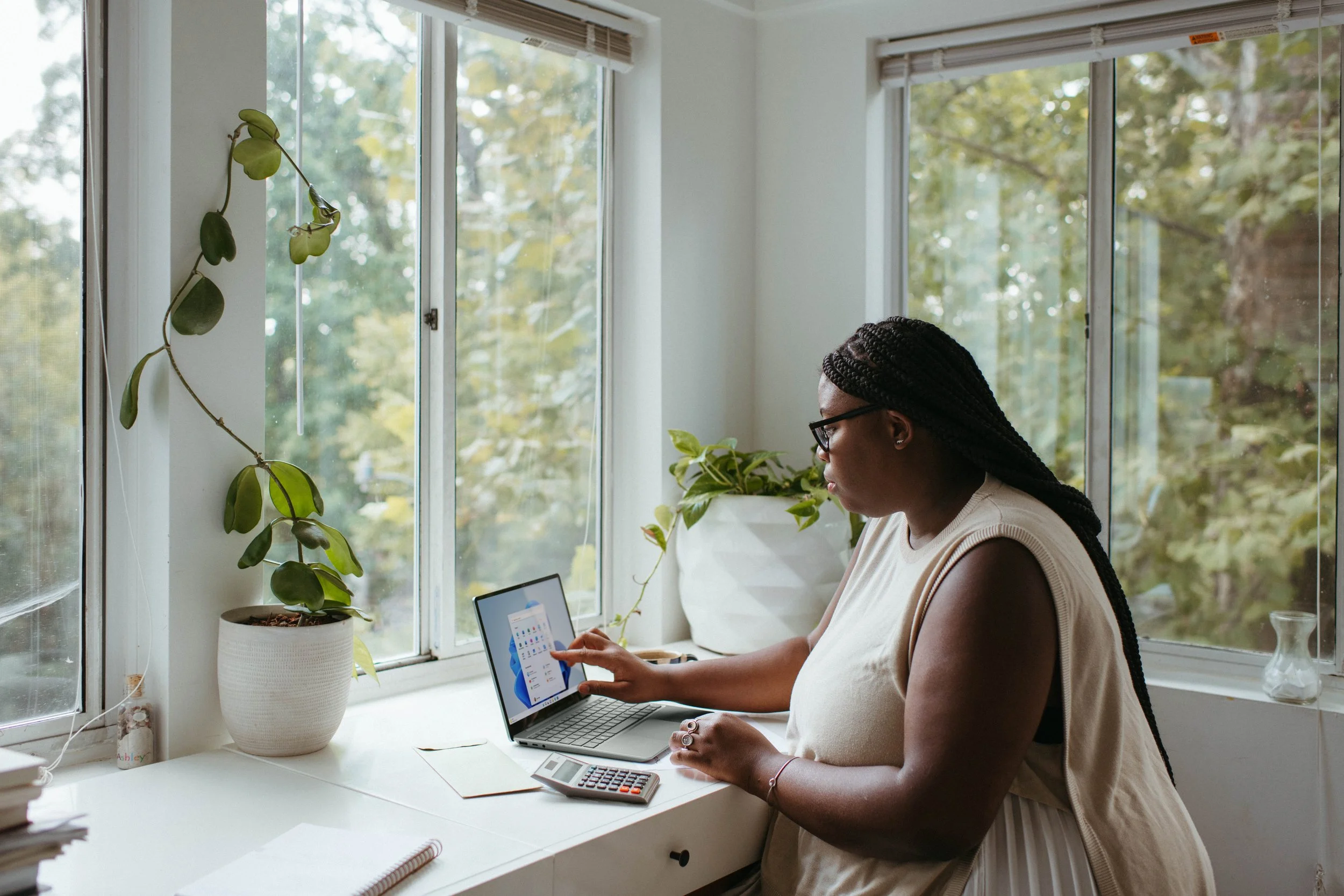
Therefore, it is recommended to take regular breaks during the workday, such as a five-10 minute break every hour or so or a more extended break for lunch. During these breaks, it's a good idea to disconnect from work-related tasks and do something different, like going for a walk, stretching, practicing mindfulness, or engaging in a hobby.
Simplify your wardrobe to save time in the morning.
You don't need a massive wardrobe to look your best. Simplifying your closet can save time and energy in getting ready in the morning while keeping you looking stylish. By streamlining your wardrobe to the essentials, you'll have fewer decisions in the mornings and more time for important things.Take a class or course to learn a new skill or hobby.
Learning a new skill or hobby can be a daunting prospect. But thanks to the Internet, it can be a manageable experience. Taking an online class or course is one of the most convenient and effective ways to learn something new and broaden your horizons. With a range of courses available from essential to advanced levels, you can find something that fits your interests and schedule, making it easy to gain valuable knowledge and skills quickly.Set realistic goals for yourself and celebrate your accomplishments.
Setting realistic goals is an essential part of personal growth and success. It is important to remember to break your goals down into manageable pieces and to celebrate your accomplishments along the way. By setting achievable goals, you can keep yourself motivated, organized, and on track to achieve even more significant success in the future. Celebrating each victory, no matter how small, can help keep you motivated and remind you of your capability!Make time for outdoor activities like hiking or gardening.
Taking time to get outdoors has many benefits for our minds and body. Whether going for a hike, planting a garden, or just enjoying the fresh air, these activities can help reduce stress and improve overall well-being. Making time for outdoor activities like hiking or gardening is an easy way to add more joy and balance to your life.Find a mentor or coach to help you navigate work-life balance.
It can take time to navigate the demands of work-life balance. Finding a mentor or coach is an excellent way to get advice and support on managing your time, energy, and stress levels. With the right mentor or coach, you can gain clarity around your goals and develop strategies for achieving them in a healthy way that works for you.Focus on your values and priorities when making decisions.
Understanding your core values and prioritizing them allows you to make decisions based on what matters most to you. This will lead you to make decisions that align with your goals and beliefs, allowing you to reach your fullest potential.Keep a running list of things you're grateful for to boost your mood.
Gratitude is one of the most potent ways to boost your mood and improve overall health. Not only will this habit make you feel better, but it will also help you recognize and express appreciation for all you have. Keeping a running list of all the things you're grateful for can help you stay focused, practice mindfulness, and appreciate the small moments in life.Take time to pursue your passions and interests.
Exploring your passion can bring a new level of fulfillment and purpose into your life. Whether picking up a new hobby, learning a new skill, or taking on an exciting project, pursuing something you’re passionate about can open up a world of possibilities for personal growth and self-discovery.Experiment with different work schedules: Consider trying different work schedules that work best for your lifestyle. For example, you could try working four 10-hour days a week instead of five eight-hour days or working remotely on certain days to save on commute time.
Plan mini-vacations: Plan small getaways or mini-vacations throughout the year, even if it's just for a night or two. This can help break up the routine and provide an opportunity for relaxation. These small getaways don't have to be expensive or time-consuming, but they can still offer the opportunity to break up your routine, relieve stress, and give you a chance to relax and recharge. Here are some tips for planning mini-vacations:
Set a budget: Start by setting a budget for your mini-vacations. Look for deals and discounts on travel, accommodation, and activities. You can spend a little money to have a good time.
Consider nearby destinations: Look for destinations within driving distance or a short flight away. This can save you time and money on travel and give you more time to enjoy your mini-vacation.
Plan your mini-vacations to avoid any last-minute stress or hassle. Make reservations for your accommodations and activities ahead of time to ensure that everything goes smoothly.
Find a work buddy: Find a coworker with similar interests and schedule time to do something fun outside work. This can help you build a support system and make work more enjoyable.
Look for common interests: Look for coworkers who share similar interests with you, such as a love for hiking, cooking, or movies. This can provide a significant starting point for building friendships outside of work.
Be open and friendly: Be approachable and friendly with your coworkers to create a positive work environment. This can make it easier for you to connect with others and find a work buddy.
Join social groups: Company-sponsored social groups or activities, such as a book club or a fitness class. This can provide an opportunity to meet new people and find a work buddy with similar interests.
Schedule regular outings: Schedule regular outings with your work buddy, such as going out for lunch, trying a new restaurant, or attending a concert or a sports event. This can help you build a stronger connection and create a sense of community outside work.
Keep it professional: Remember to keep your friendship professional and avoid discussing work-related issues outside of work. This can help maintain a healthy work-life balance and prevent additional stress from creeping into your personal life.
Volunteer: Volunteer your time for a cause that you are passionate about, whether it's volunteering at a local shelter, mentoring a student, or joining a community group. Volunteering provides a sense of purpose and fulfillment outside of work. Here are some benefits of volunteering:
A sense of purpose: Volunteering for a cause you are passionate about can provide a sense of purpose and fulfillment outside work. It can also help improve self-esteem and promote a positive outlook on life.
Opportunities for personal growth: Volunteering can provide opportunities for personal growth and development, such as learning new skills, gaining experience in a new field, or improving social and communication skills.
Connection with others: Volunteering can help create relationships with like-minded individuals and build community. This can help reduce isolation and loneliness and promote a sense of belonging.
Reduced stress: Volunteering can help reduce stress by providing a break from daily routines and providing a sense of accomplishment and satisfaction.
Improved physical health: Some types of volunteering, such as physical labor or outdoor activities, can help improve physical fitness and promote an active lifestyle.
Finding a cause that aligns with your values and interests is essential when considering volunteering. This can help create a more meaningful and enjoyable experience.
Finally, remember to be kind to yourself and give yourself grace. You're doing the best you can!
In this fast-paced and ever-changing world, it’s easy to forget to take a step back and be kind to ourselves. Self-compassion is the key to unlocking your full potential - it helps you recognize your strengths, accept your weaknesses, forgive yourself for mistakes, and move forward with resilience. So, remember to give yourself the space and grace you need to grow.
By setting boundaries, creating routines, and scheduling time for self-care activities, busy working mothers can achieve a better work-life balance and success in their professional and personal lives. With the right strategies, they can create space in their lives for relaxation and leisure activities while still getting their work done efficiently.